Pavement is a system
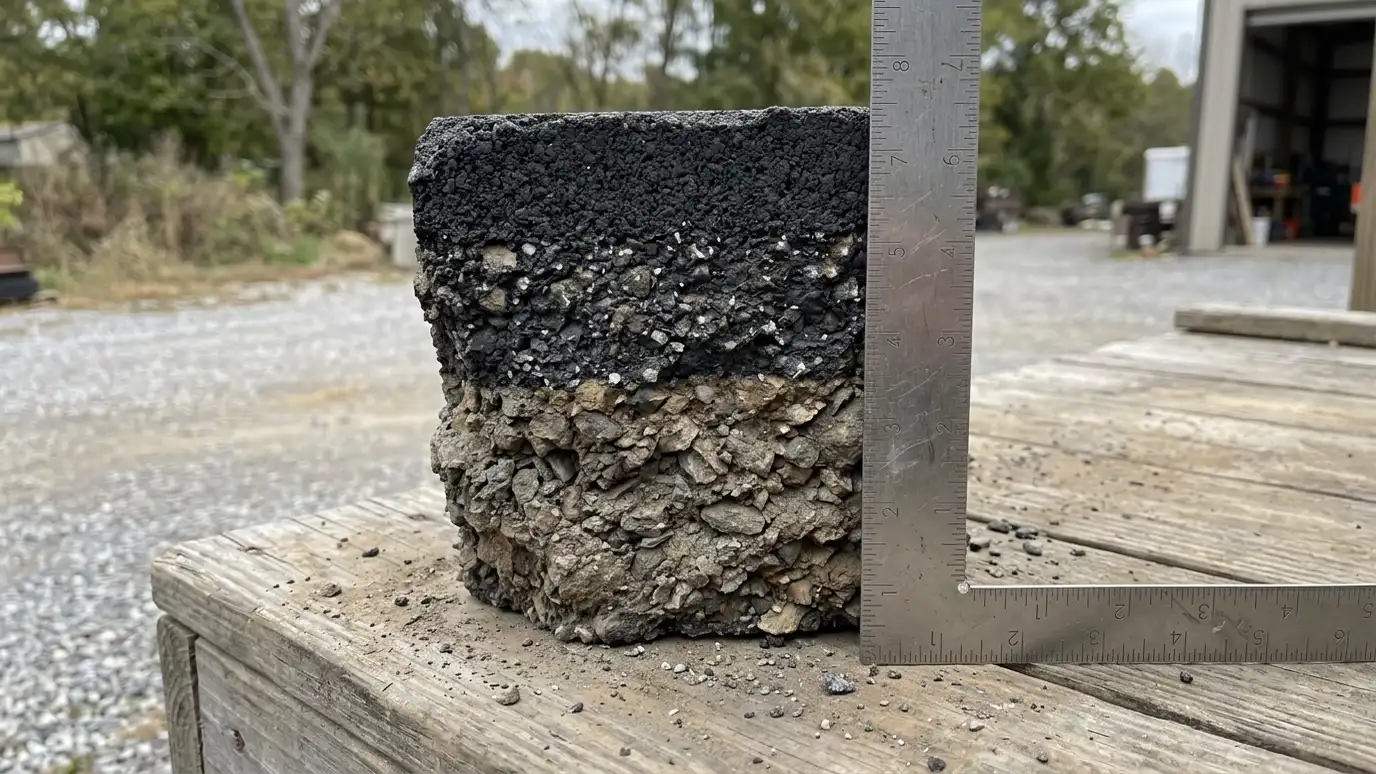
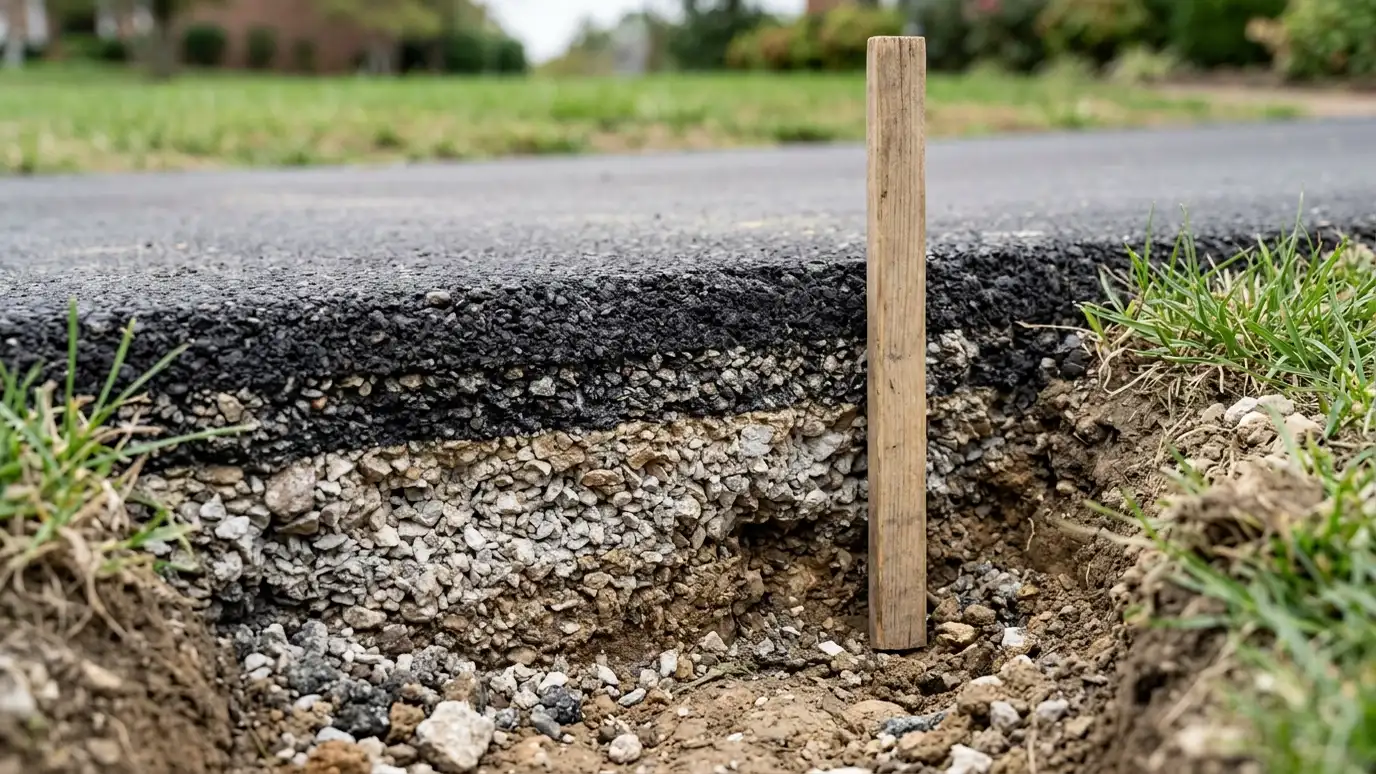
Asphalt is only one layer. Soil carries the load, stone spreads it and asphalt gives a smooth, waterproof surface. If any layer is weak, the others suffer.
Thinking of pavement as a system helps you read quotes and ask better questions.
Think of it like a foundation for a house. No one admires a foundation, yet the whole structure depends on it. The same is true under pavement, where unseen stone and compaction quietly decide how the surface looks in ten years.
The stone base
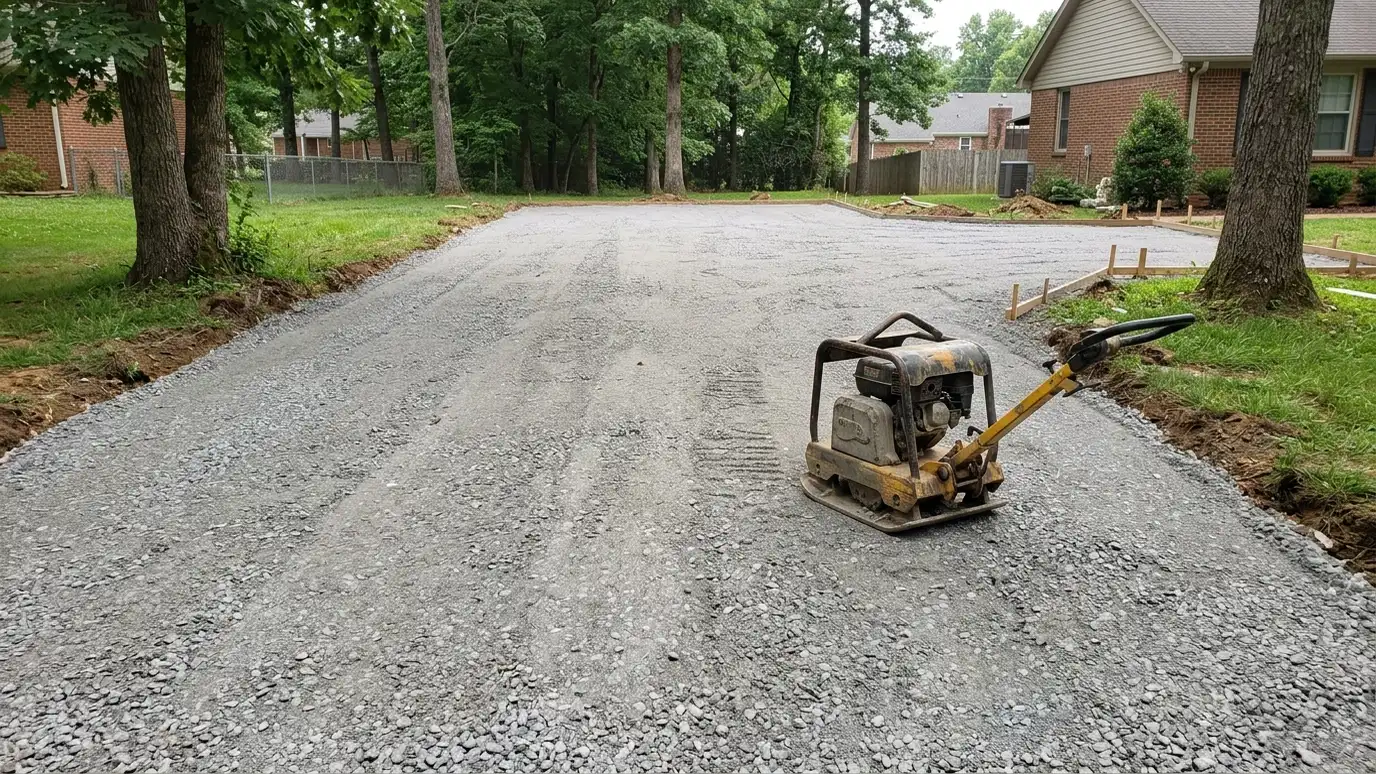
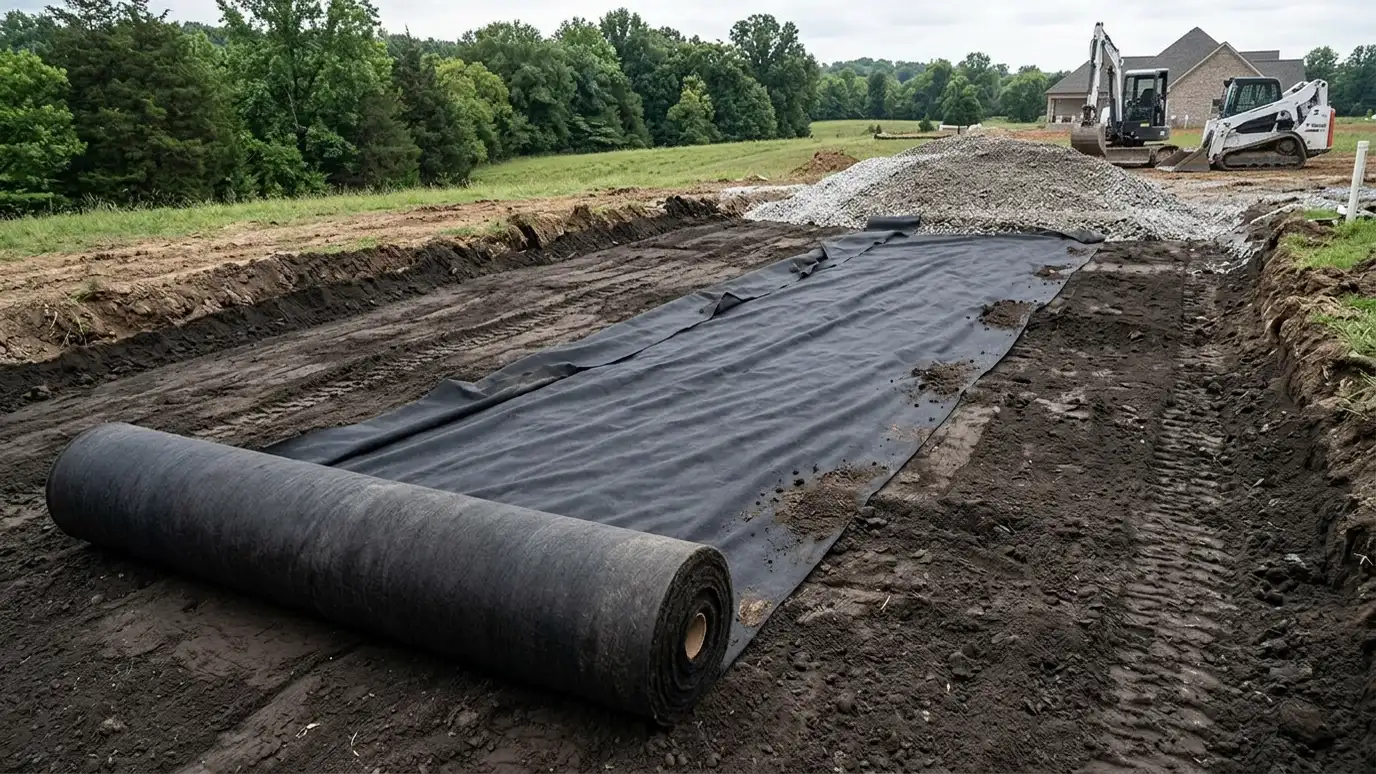
A residential driveway typically uses four to six inches of compacted crushed stone. Parking lots and truck areas use more, often eight inches or beyond. Soft or wet soils call for extra depth and fabric.
Stone must be compacted in lifts. Loose stone settles, and the asphalt follows.
Crushed stone is chosen because it locks together when compacted and lets water drain through. Rounded gravel or dirt fill will shift and settle, so ask what material is going down and in how many lifts.
The asphalt layer
Most residential driveways receive two to three inches of compacted asphalt, often as a single surface course. Commercial lots receive more, frequently in two lifts, with a stronger base mix underneath.
Compacted thickness is what counts, not loose thickness. Hot mix compacts to about three-quarters of its loose depth.
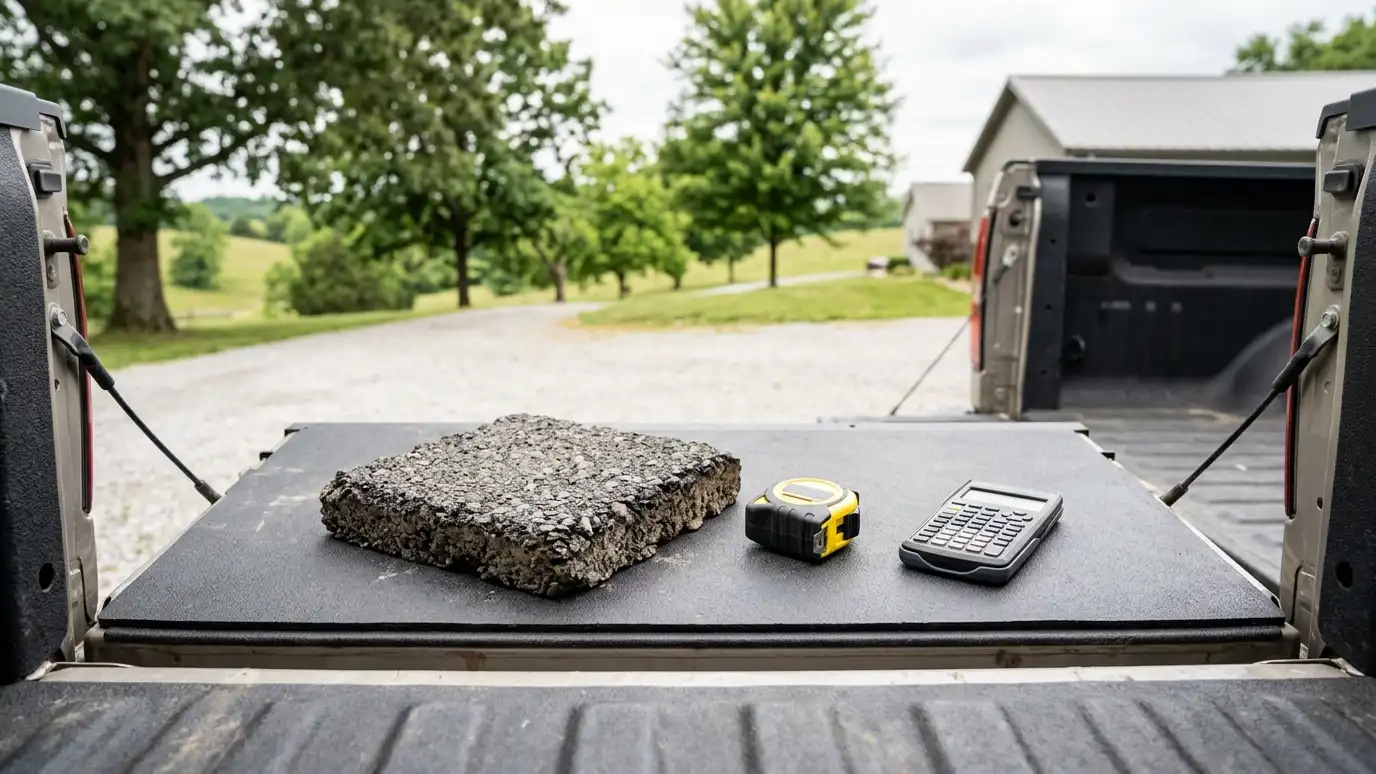
Asphalt thickness is measured after compaction, not before. Loose mix settles as it is rolled, so a crew should place enough material to reach the target thickness once it is compacted, and a simple core or depth check can confirm it.
Matching thickness to traffic
Cars and light trucks need less than delivery trucks, dumpster trucks and fire apparatus. A driveway used only by cars can be thinner than one used by a heavy truck once a week.
If you plan to park a trailer, motorhome or heavy equipment, tell us. We will adjust the design.
If you park a heavy truck, a trailer or a dumpster in one spot, tell your contractor. A thicker section or a concrete pad in that location can prevent the rutting that thin pavement shows under constant heavy loads.
Compaction and temperature
Hot mix must be rolled while hot. If it cools before compaction, it stays loose and weak. We watch temperature and roll in the right pattern.
Good compaction makes asphalt dense, which resists water and wear.
Weather affects compaction. Cold ground and wind pull heat out of the mix quickly, which is why paving crews watch the forecast and avoid placing thin layers in cold, windy conditions. Ask the crew how they check temperature and when they stop for the day, since a careful crew will say plainly when conditions are too cold or windy to do good work.
Soil conditions around Nashville
Clay soils swell and shrink with moisture, and rock can sit close to the surface on some hillsides. Test holes and probing show what you have.
When soils are weak, we add depth, fabric or stabilization. It costs more up front and saves money later.
Soft spots found during grading should be dug out and filled with stone, not simply covered. A few extra hours spent correcting weak soil can add years to the life of the pavement.
Reading a quote
Look for stone depth, asphalt thickness and number of lifts. A quote that does not mention them is leaving out the most important details.
Our tonnage tool can show how much material a given thickness requires, which helps you check whether the numbers add up.
A good quote also tells you what happens if soft soil is found, such as how it will be handled and how the price will change. Clear terms for surprises are a sign of a contractor who has seen real sites.
Pay for a solid base and the right thickness for your traffic, and make sure the quote states both in inches.