Three paths
Most pavement problems end up in one of three places: repair a few spots, resurface the whole area or tear out and replace. The best choice depends on how deep the damage goes.
A fair contractor will explain which applies and why.
Each path has a place. The right choice depends on the condition of the base, the age of the surface and how long you plan to keep the property, not on which option sounds easiest.
When repair is enough
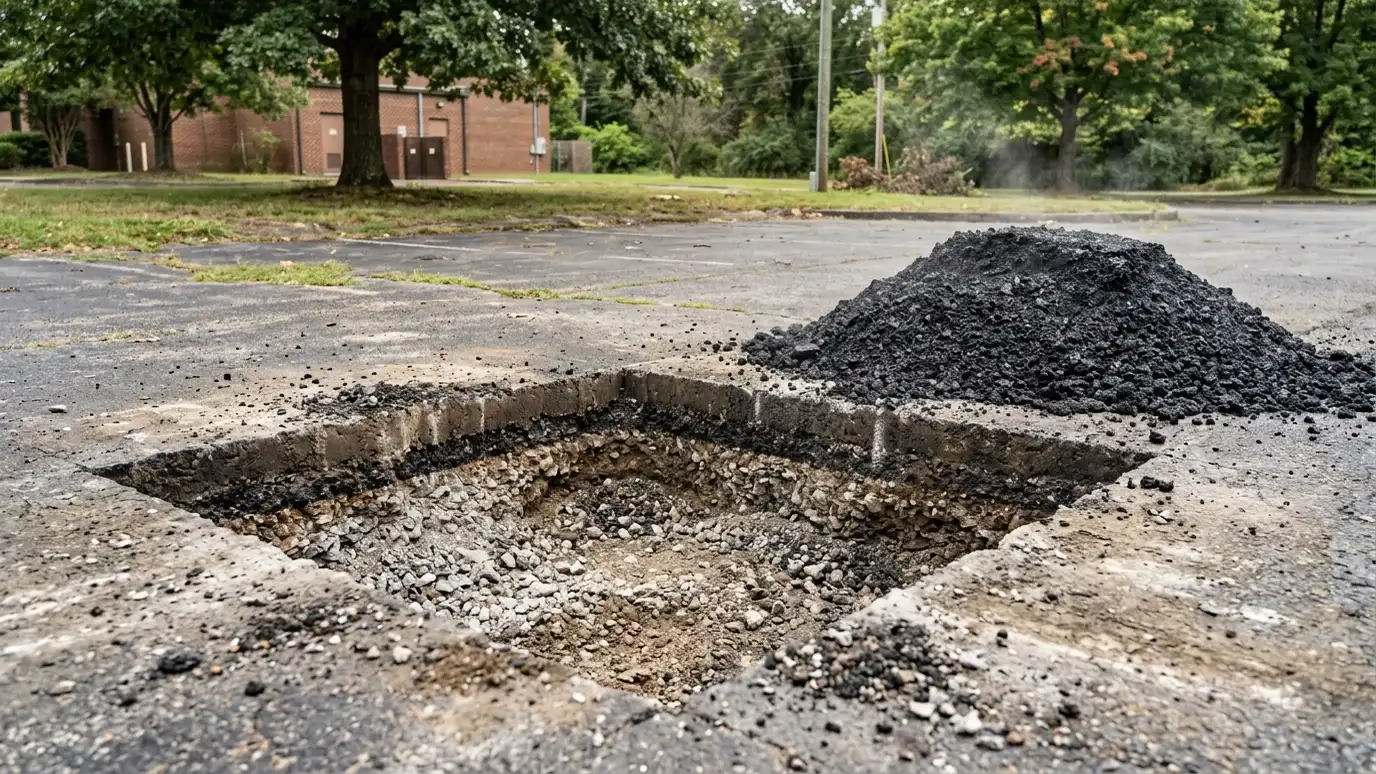
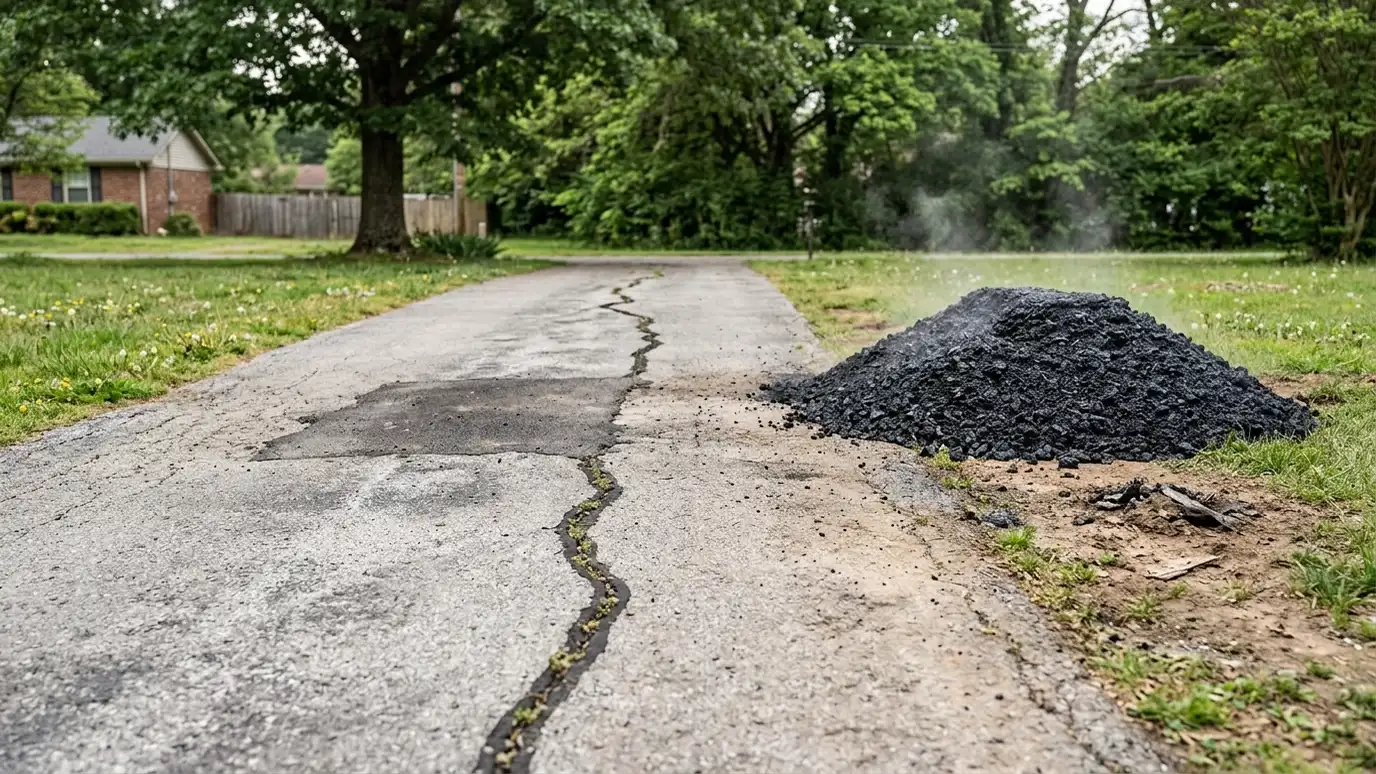
A few cracks, a pothole or two and some edge breakage can be repaired when the base is sound. Crack sealing, patching and edge repair keep the rest of the pavement protected.
Repairs are the lowest-cost path when damage is limited.
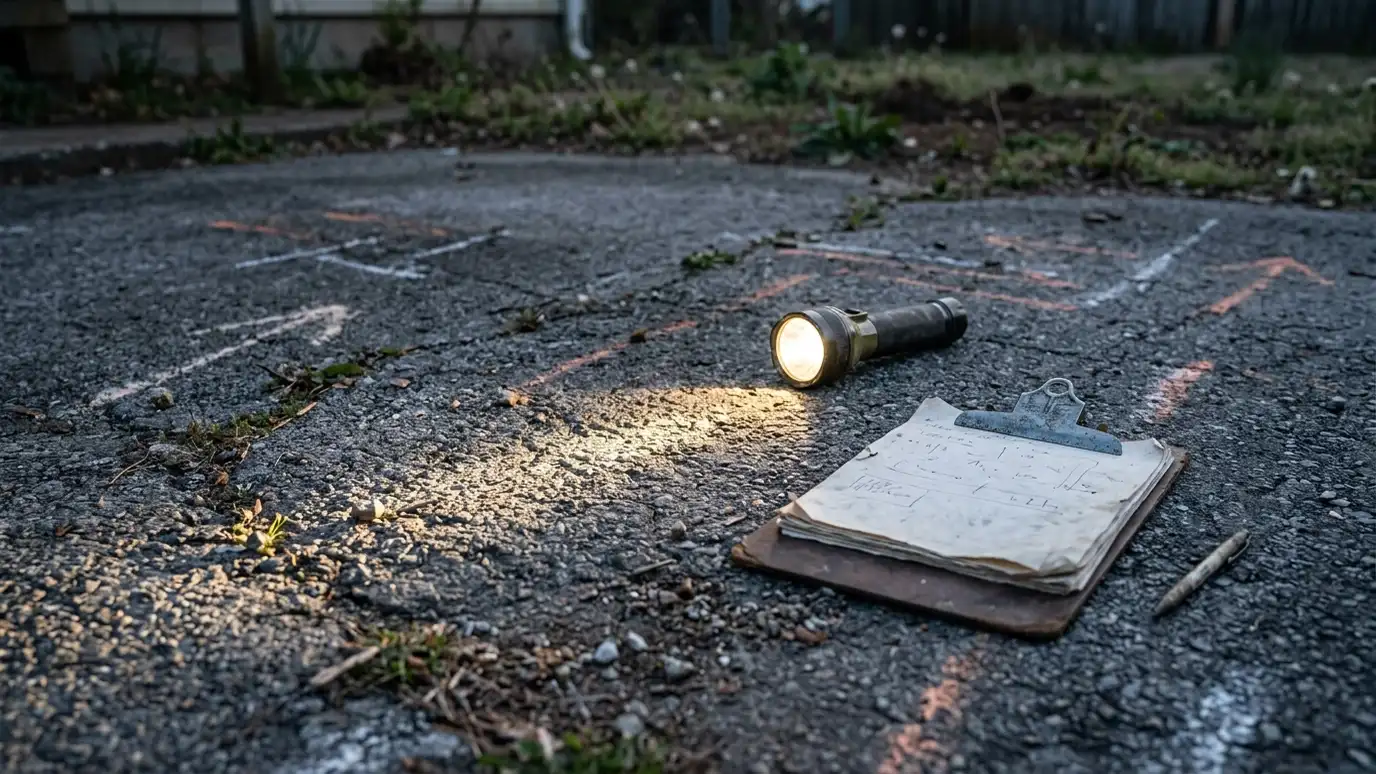
Repair works best when the damage is local and the base under it is solid. Patching a few spots, sealing cracks and refreshing the surface can add years of service for a modest cost. Ask your contractor to mark each repair on a photo, so you can track how the pavement ages afterward.
When to resurface
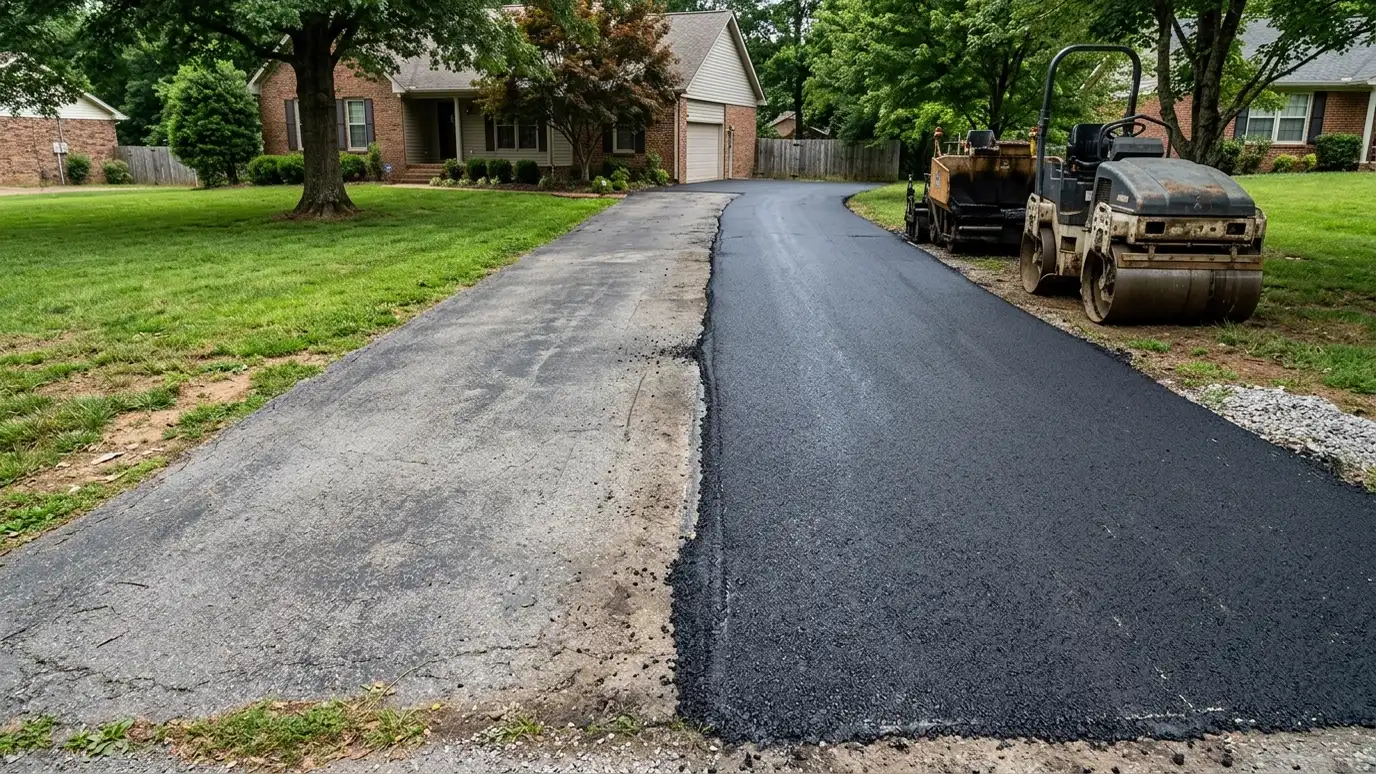
If the surface is worn, faded and finely cracked but the base is firm, an overlay can renew it. Milling first keeps heights correct. Resurfacing costs less than replacement and adds years.
It does not fix a bad base, so we check before recommending it.
An overlay adds a new layer of asphalt over the old one after repairing cracks and low spots. It restores the surface and the look, though it cannot correct a failed base or a drainage problem. An overlay works best when the existing surface has been cleaned, cracks are filled and low areas are leveled first.
When to replace
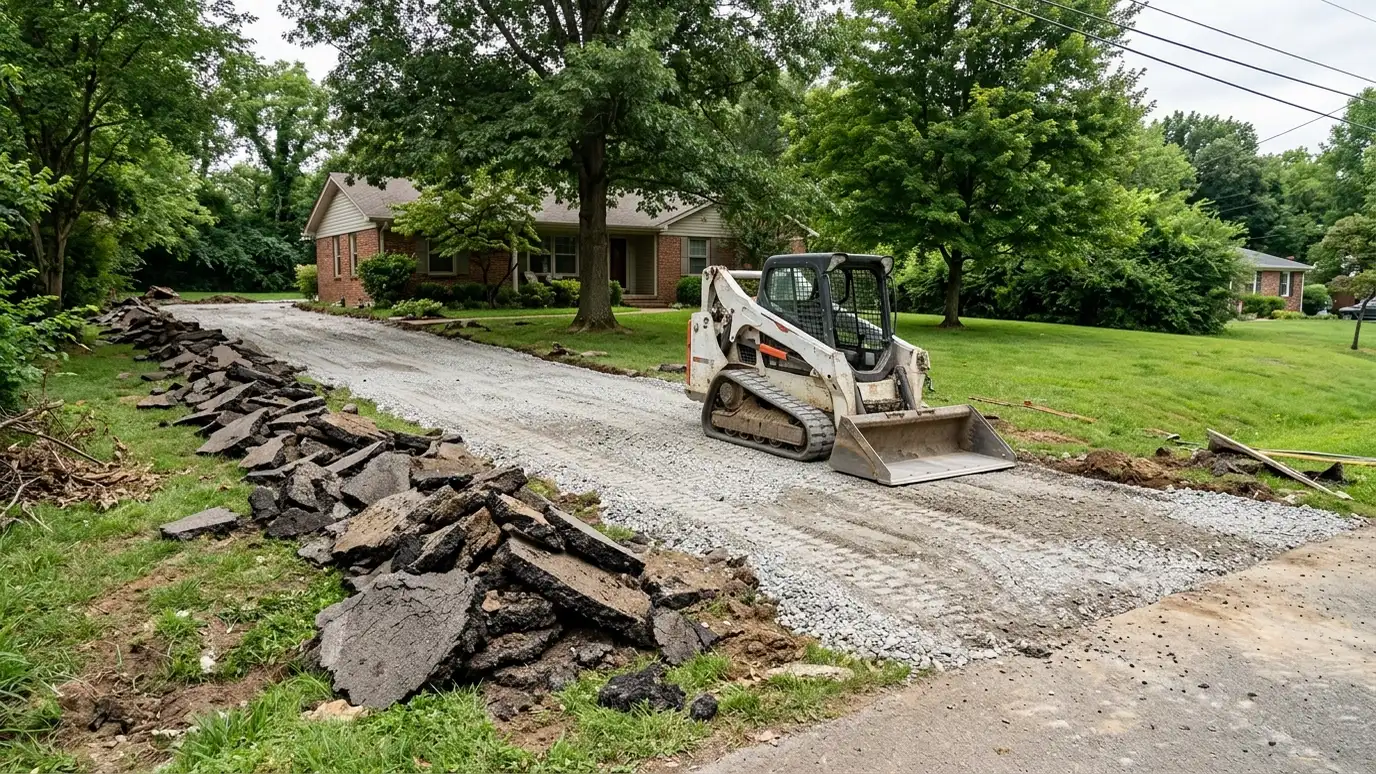
Widespread alligator cracking, sinking wheel paths, soft spots and repeated failed patches mean the base is gone. Covering that damage wastes money. Replacement rebuilds from the soil up.
It costs more now and ends the cycle of repairs.
Replacement is the right call when the base has failed. Removing the old pavement, rebuilding the base and paving again costs more up front, though it solves the underlying problem and resets the lifespan. A phased approach can also work, replacing the worst section now and planning the rest for a later year.
Questions to ask
How much of the pavement is damaged? Is the base solid? What caused the failure, and will it return? What is the expected life of each option, and what does it cost per year of life?
These questions turn an emotional choice into a practical one.
A reliable contractor will explain what they found, show photos and say what would change their recommendation. If a visit ends with a single option and no explanation, ask for more detail.
Do not forget drainage
If water caused the damage, any option must fix the water. Otherwise a new surface will fail the same way.
We include drainage in every recommendation.
Photographs of the problem areas, the date they first appeared and notes about water or weather help a great deal. They tell the contractor how fast the pavement is changing. Water is the most common cause of repeated failures, so a plan that skips drainage is a plan that may fail again.
Getting a second opinion
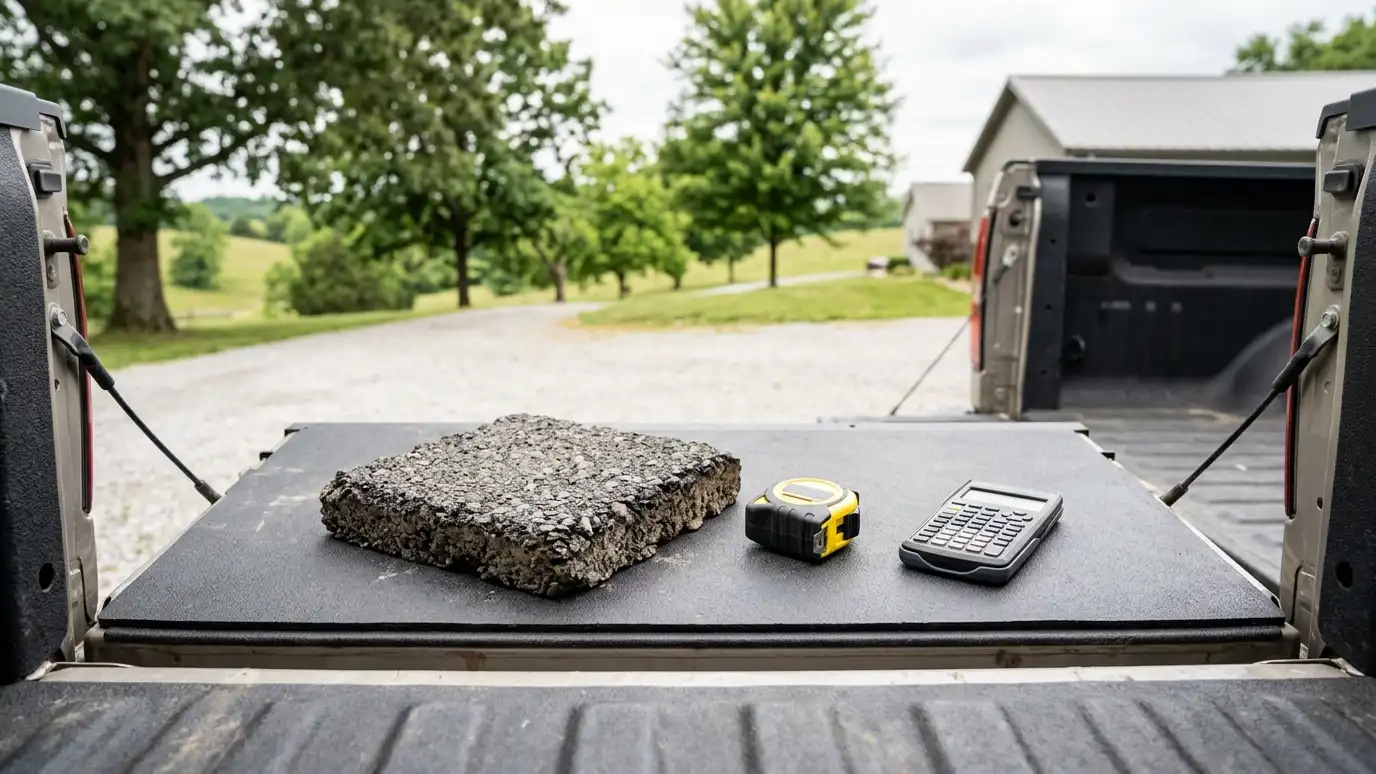
Ask a contractor to explain the choice with photos and test holes. Compare options side by side. We are happy to review another contractor’s recommendation.
A Free Estimate from us includes an honest assessment, whichever path you choose.
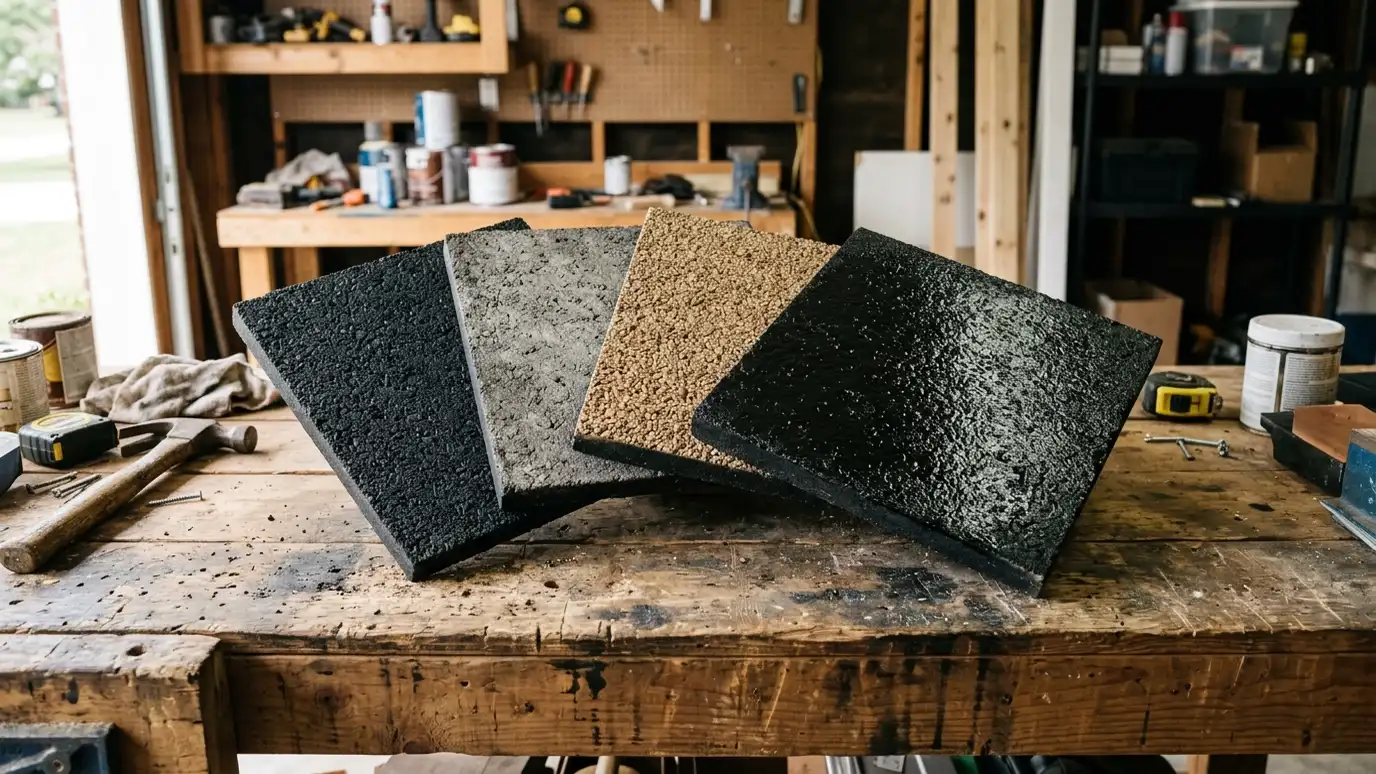
Comparing two proposals for the same area, one repair-focused and one replacement-focused, can clarify the real tradeoff. Look at the cost per year of expected life, not only the price today. A reliable contractor welcomes a second opinion and will explain their reasoning without pressure.
Repair when the base is sound, resurface when only the surface is tired and replace when the foundation has failed.