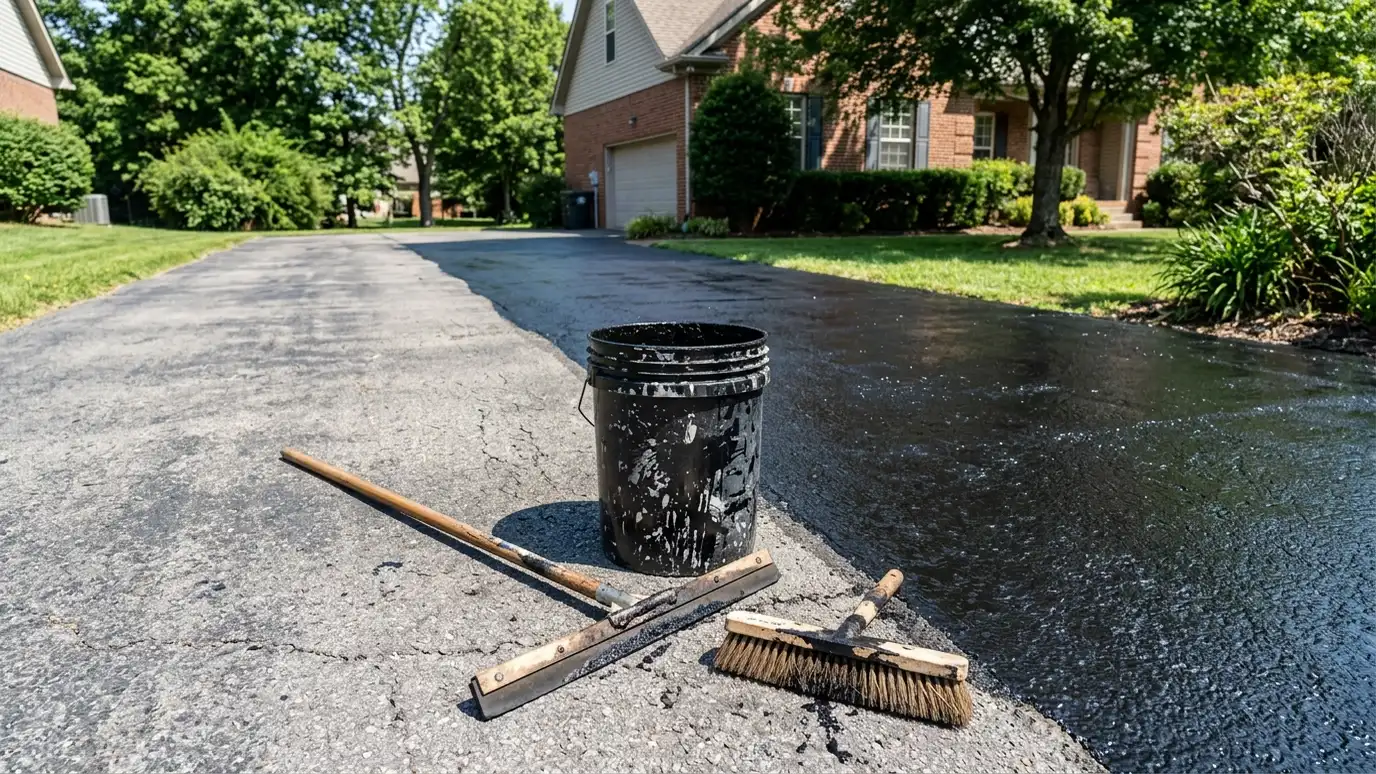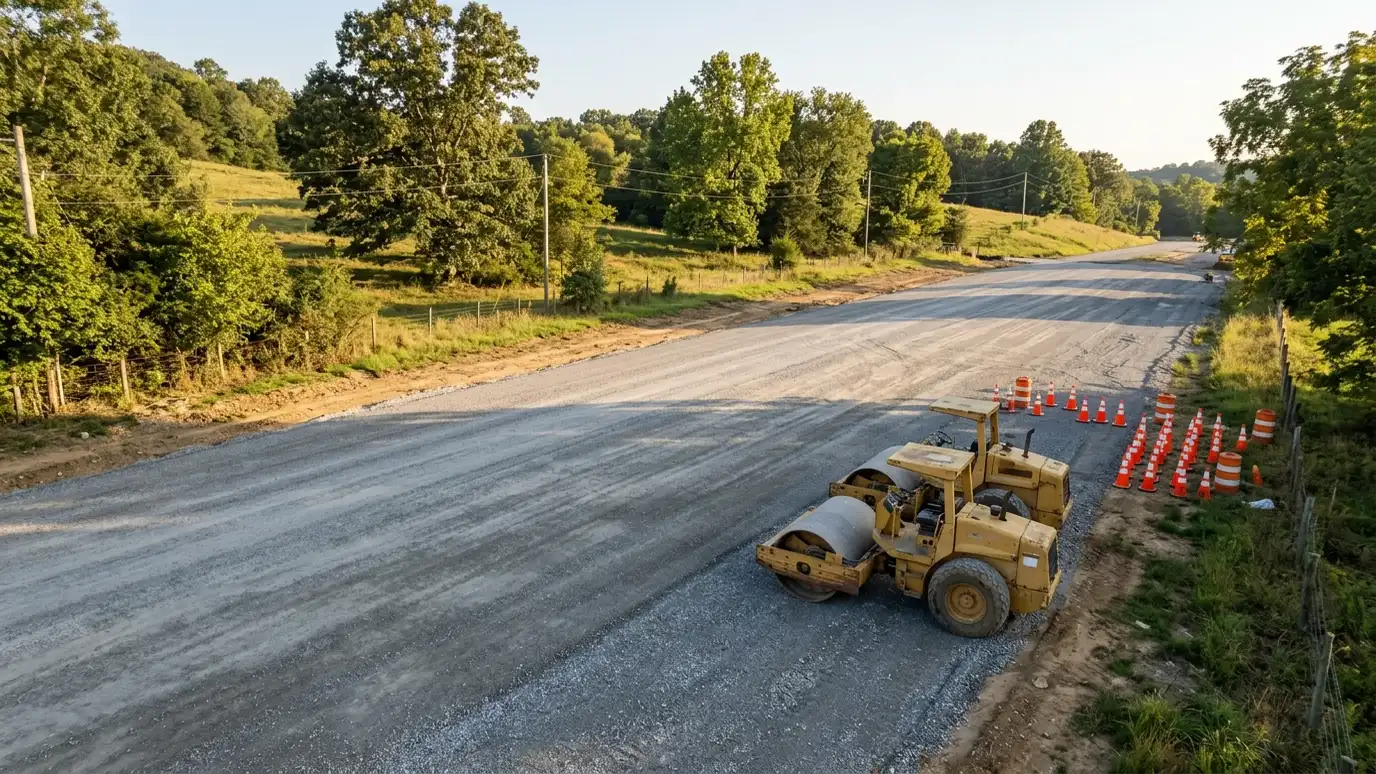
The first day or two
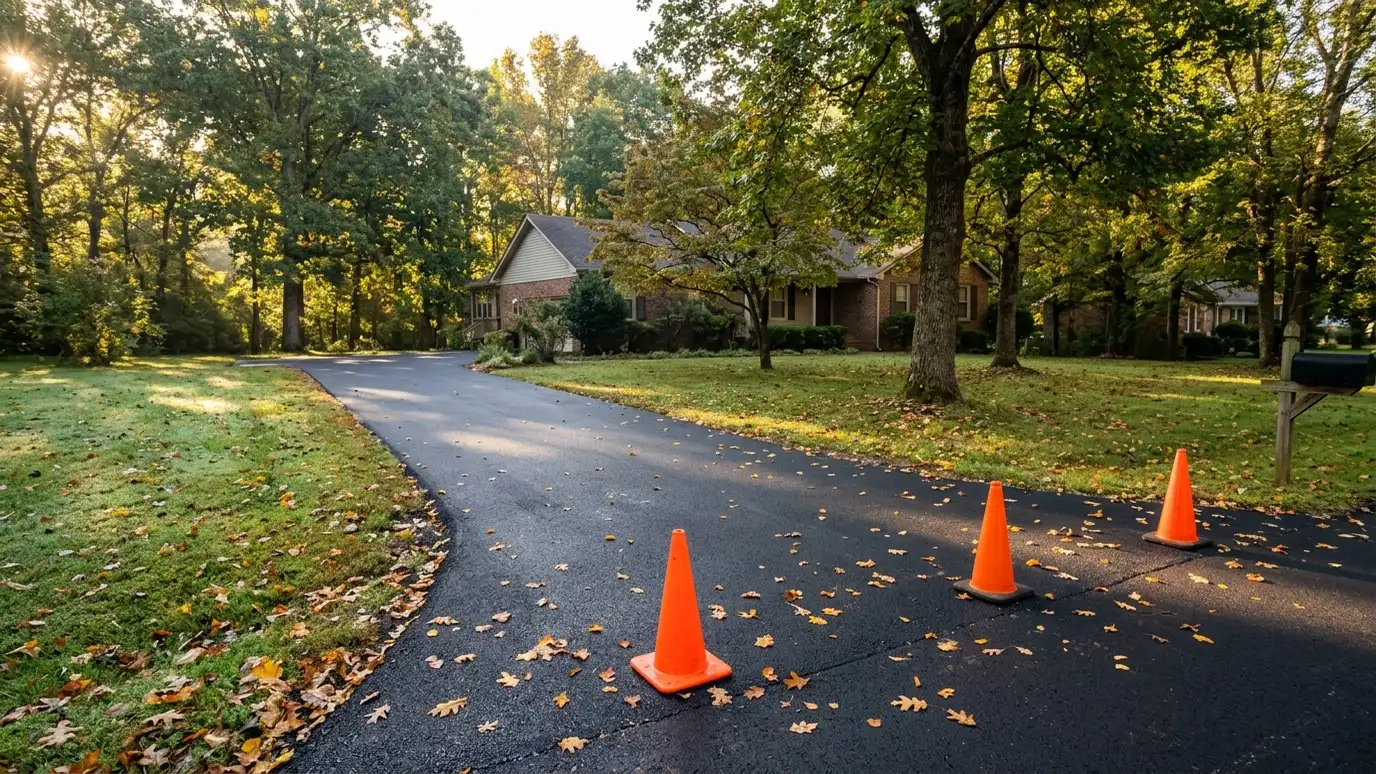
Keep vehicles, bikes and people off while the surface is warm and soft. Mark the entrance with cones or tape, and tell visitors and delivery drivers.
In hot weather, wait longer. The surface may take several days to firm up.
Heat softens fresh pavement more than you might expect. On a hot afternoon the surface can mark from a kickstand, a heavy foot or a hot tire, so extra patience in the first summer weeks protects the finish. A simple barrier of cones or chairs at the entrance reminds everyone, including delivery drivers, to wait.
The first weeks
Avoid turning steering wheels while stopped, since that twists the surface. Park in different spots when you can. Keep heavy trucks off for several weeks, and do not drive close to the edges.
Scuffs and marks fade as the asphalt cures. A little patience goes a long way.
Park in different spots from day to day and avoid stopping with the wheels turned. Small habits in the first month prevent scuffs and ruts that would otherwise stay for years. If a tire mark or scuff appears, leave it alone. Most light marks fade as the surface cures, and scrubbing a warm, soft surface usually makes them worse.
Protect the edges
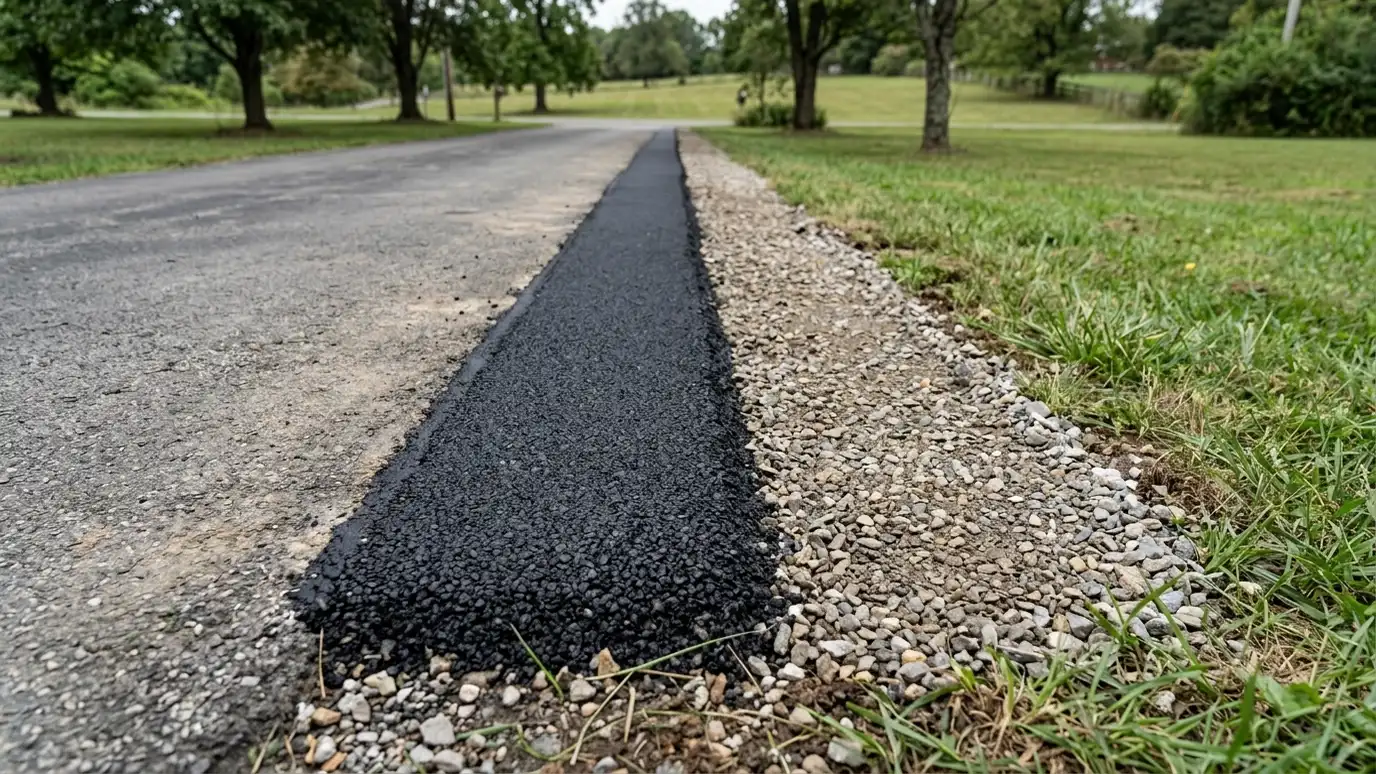
New edges have no support yet. Fill the shoulder with soil or stone to the pavement height, and avoid driving on the edge.
Watering and seeding the shoulder helps grass grow and hold the soil.
Well-supported edges stay tight and straight. If your driveway sits above the lawn, fill the shoulder with soil or stone and keep it level, since an unsupported edge breaks off in pieces when a wheel rides close to it.
Spills and stains
Fuel, oil and solvents soften asphalt. Wipe up spills right away with absorbent material and mild detergent. Avoid kickstands and heavy objects on hot days.
A sealcoat later adds resistance to drips.
Cleaning products and solvents can also soften asphalt. Use a mild soap and a soft brush on stains, rinse well and avoid pressure washing a new surface until it has cured.
Water and drainage
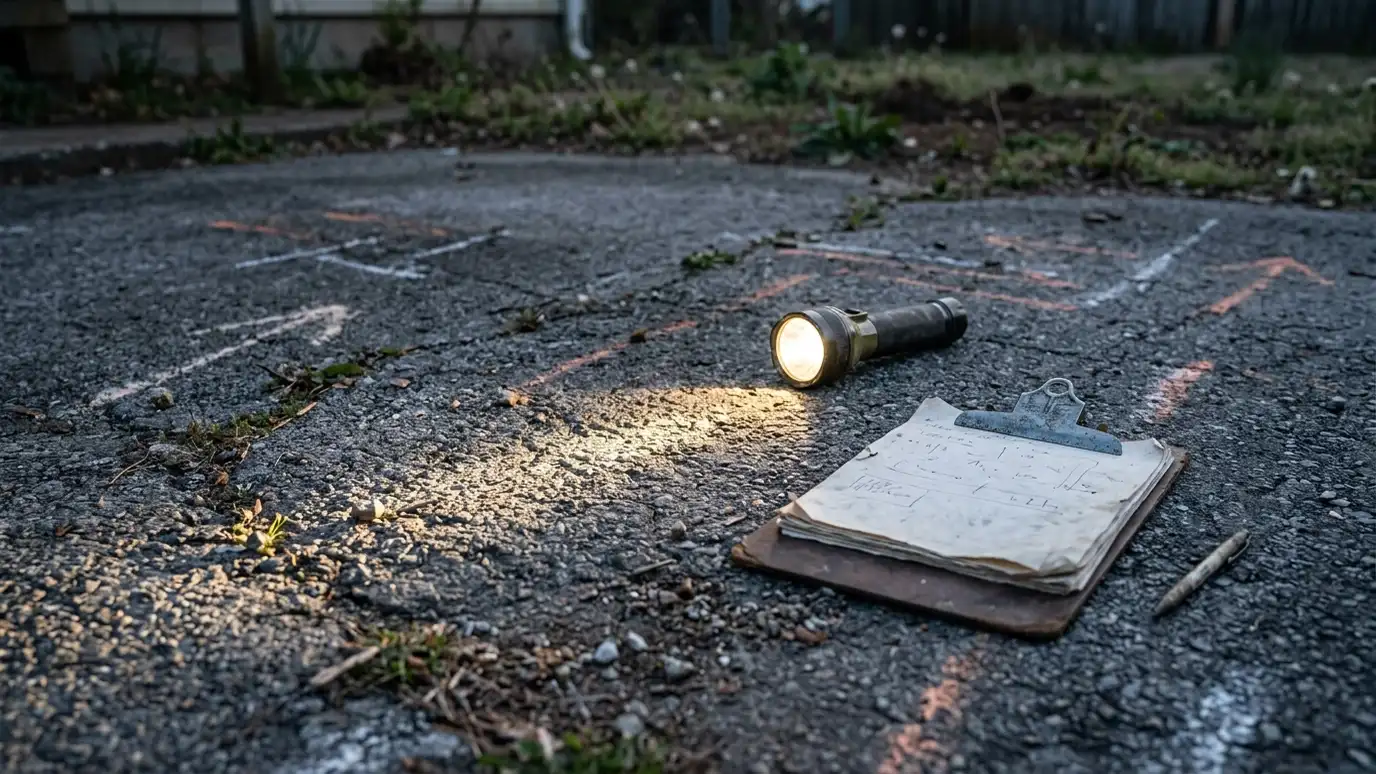
Watch how water moves in the first storms. Small birdbaths can sometimes be corrected early. Keep gutters and downspouts from dumping on the pavement.
Tell us if you see standing water, so we can look at it while the job is fresh.
Watch the first heavy rain from a window. Water that pools or runs toward the house is easier to correct early, and a quick call to your contractor in the first weeks often leads to a simple fix. A short note to your contractor after the first big storm, with a photo if you can, is welcome and often leads to a quick adjustment.
When to sealcoat
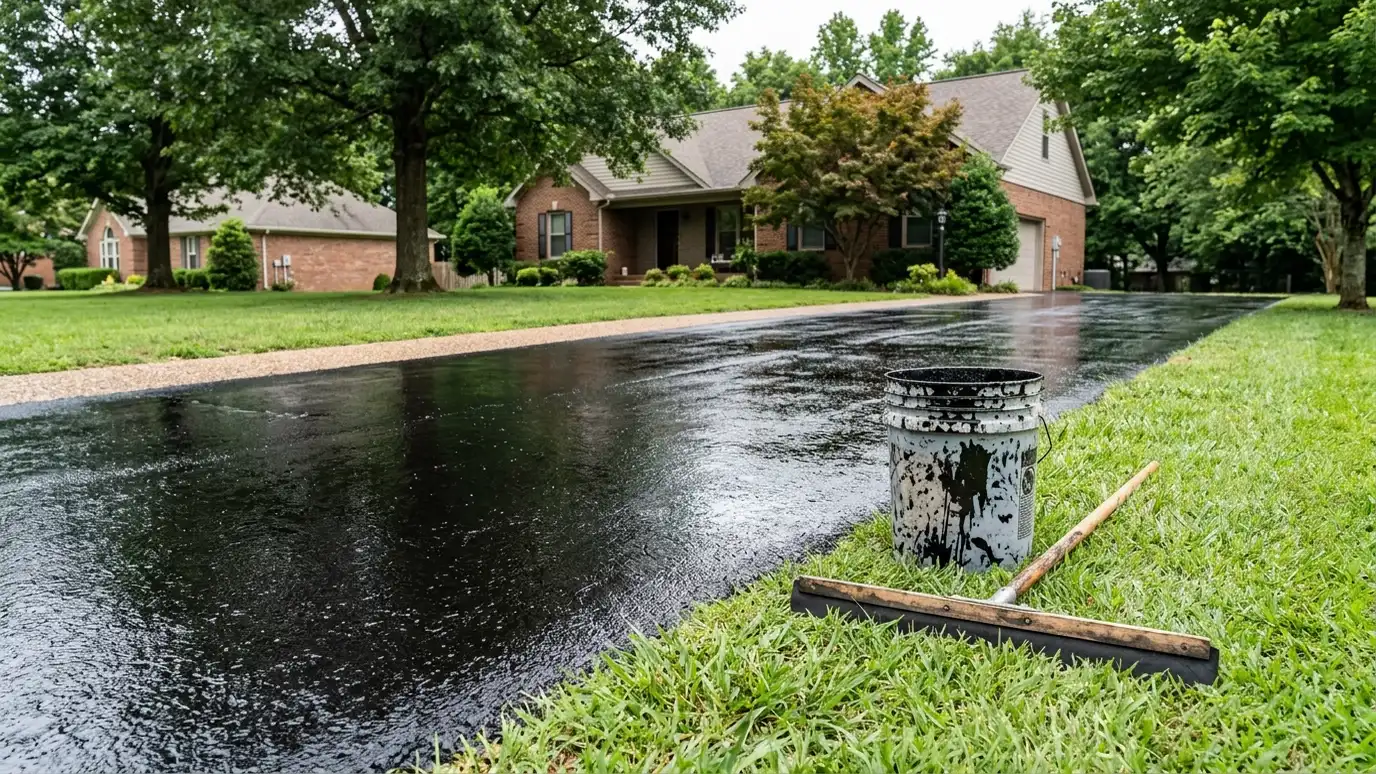
Wait until the asphalt has cured, usually six months to a year. Sealcoating too soon traps oils and can cause soft spots.
We will remind you and tell you when a sealcoat makes sense for your driveway.
Early sealcoat is a common mistake. Asphalt needs time to release its oils and cure, and coating it too soon traps them, so patience pays off in a firmer and longer-lasting surface.
Routine care
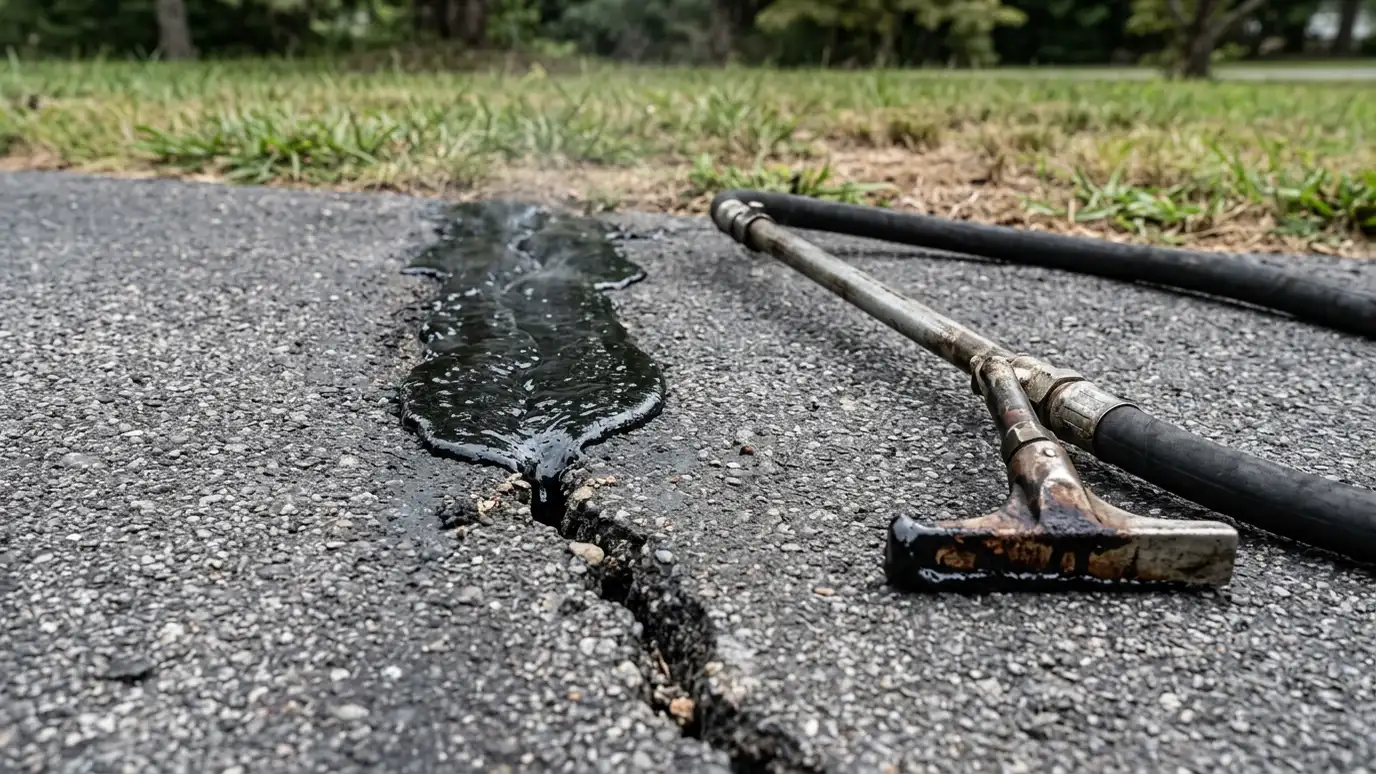
Sweep leaves and debris, keep weeds out of the edges and seal cracks as they appear. Trim tree roots with an arborist’s advice, and avoid heavy loads on the edges.
A little attention each season keeps the driveway looking good and delays costly repairs.
A simple spring and fall walk along the driveway catches small problems while they are still easy to fix. Take a photo of anything you notice so you can compare it next season. Keep the contact number of your contractor with your home records, since a short call about a small issue is far easier than a large repair later.
Stay off the surface at first, protect the edges, wipe up spills and wait about a year before the first sealcoat.