A protective sealcoat that shields asphalt from sun, water and oil, restoring a deep black finish and slowing wear.
Asphalt is made of stone and a sticky petroleum binder. Sun, rain, gasoline drips and winter freeze cycles slowly break down that binder, so the surface turns gray, rough and brittle. Sealcoating adds a thin protective layer that slows that process, fills tiny surface pores and brings back the deep black color. In Nashville’s hot summers and wet winters, a well-timed sealcoat helps a driveway age gracefully.
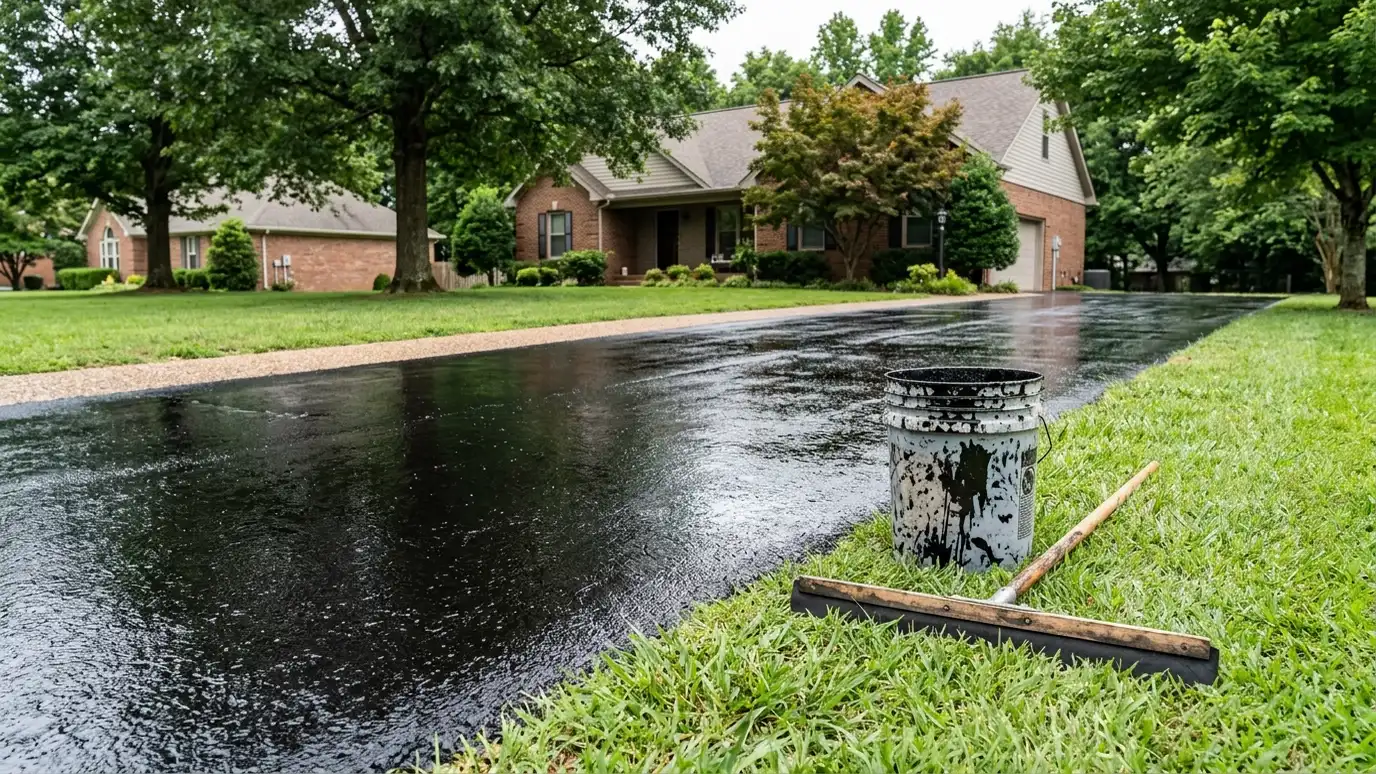
Good sealcoating is mostly preparation. We clean the surface, remove oil spots, treat and fill cracks, then spread sealer in even coats with a squeegee or spray and edge with a brush for crisp lines. We wait for the right weather, because sealer needs dry conditions and warm temperatures to cure, and we keep traffic off until it is ready. We also tell you honestly when a driveway is too new or too damaged for sealcoating to help.
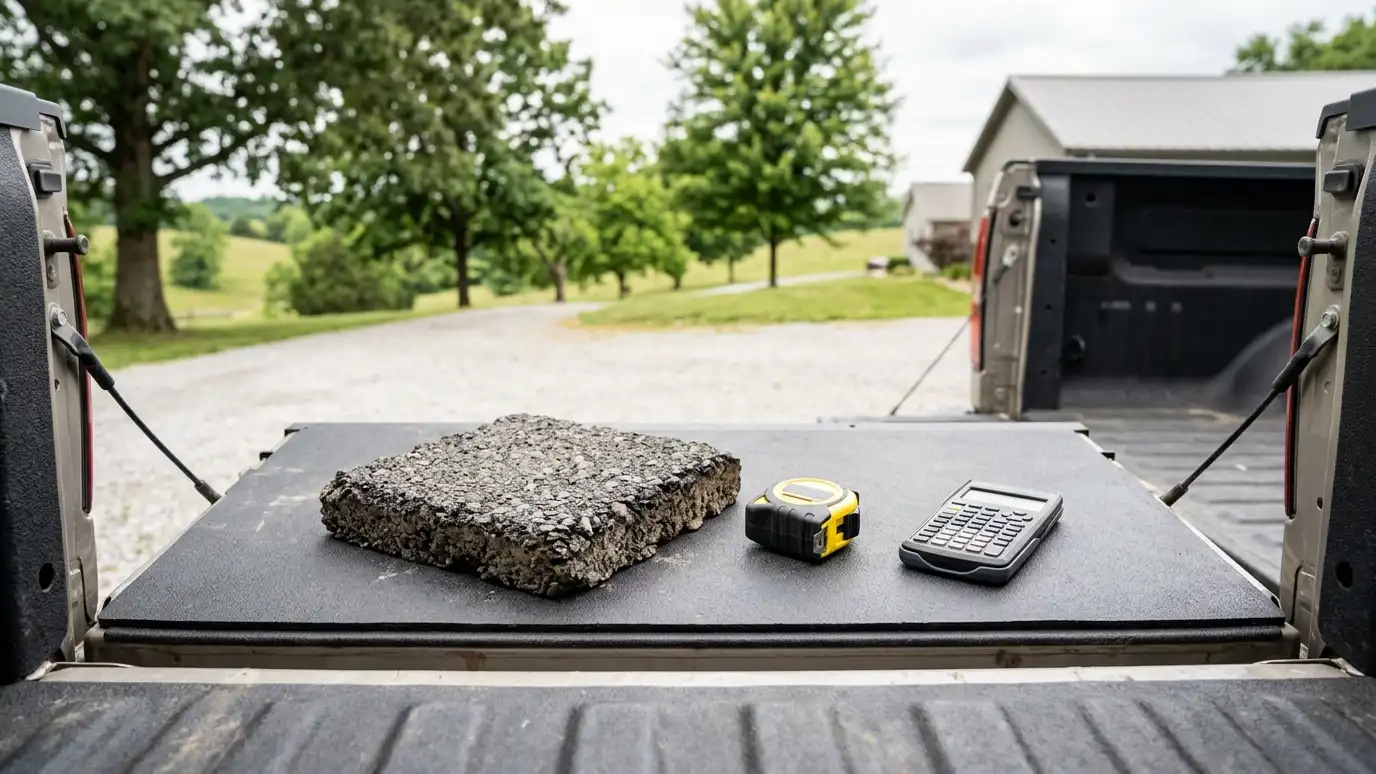
New asphalt should cure for several months to a year before it is sealed. After that, many driveways benefit from sealcoating every few years.
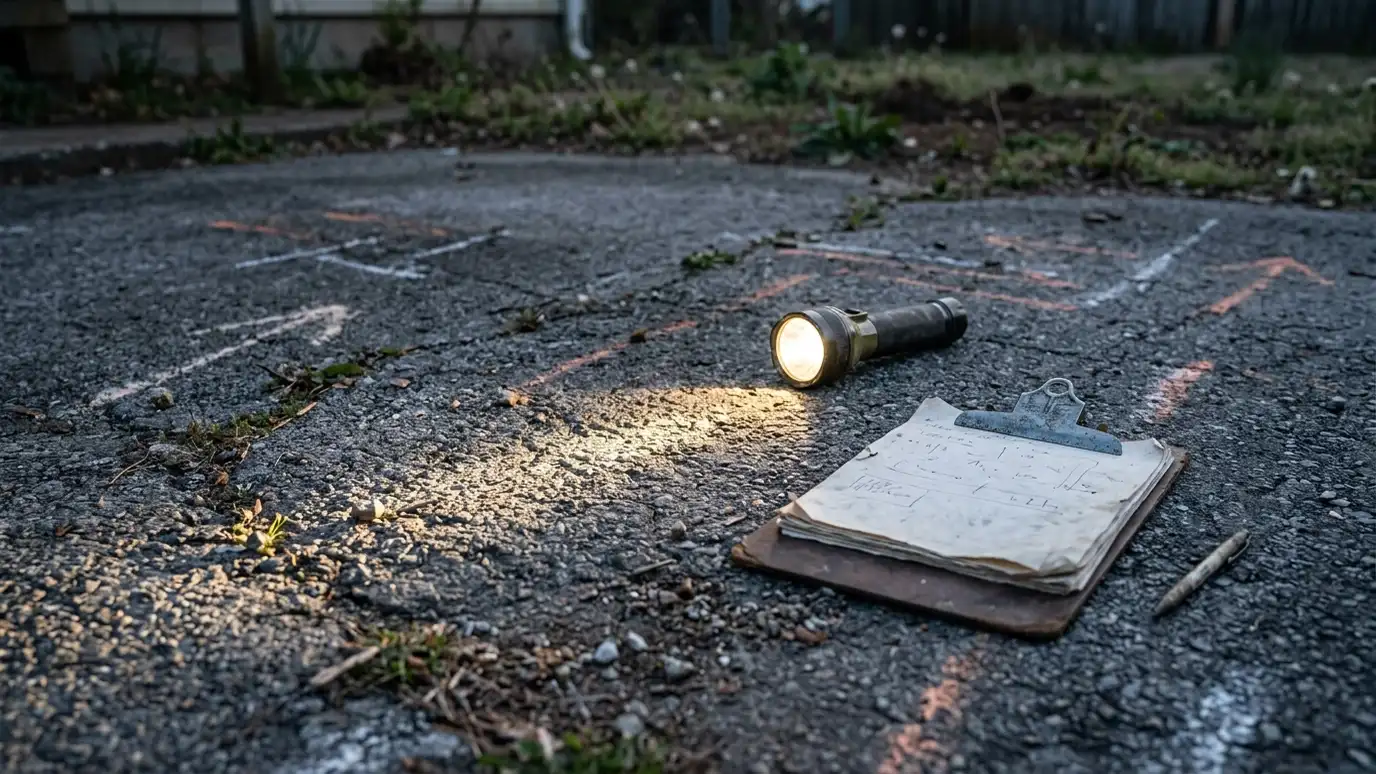
Dirt, oil and loose material prevent sealer from bonding, and open cracks let water in. We clean and fill before we coat.
Thin, even coats cure properly and last longer than a heavy, thick one. Edges are brushed in for clean lines.
We schedule around rain and cold. Sealer needs time to cure, so we explain how long to keep cars and foot traffic off.
Drag the handle to compare.
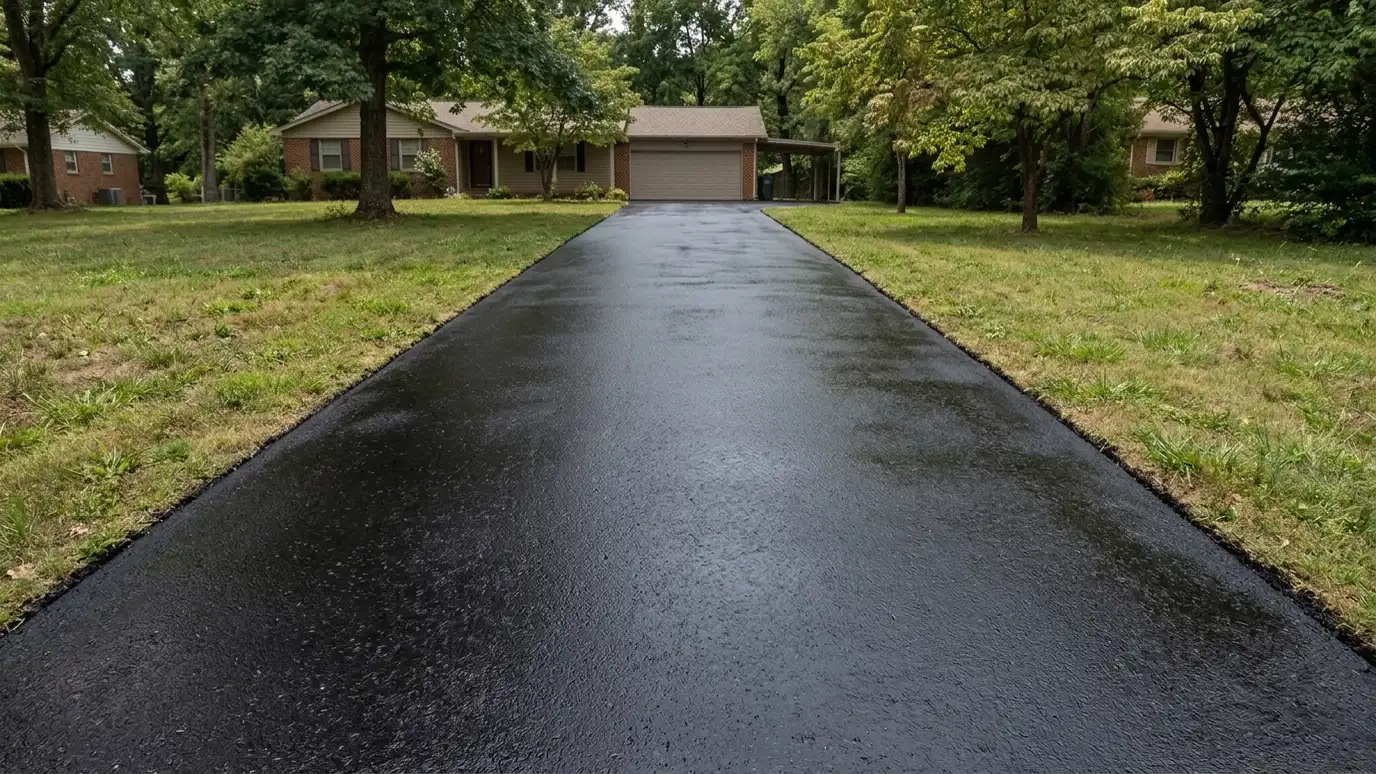
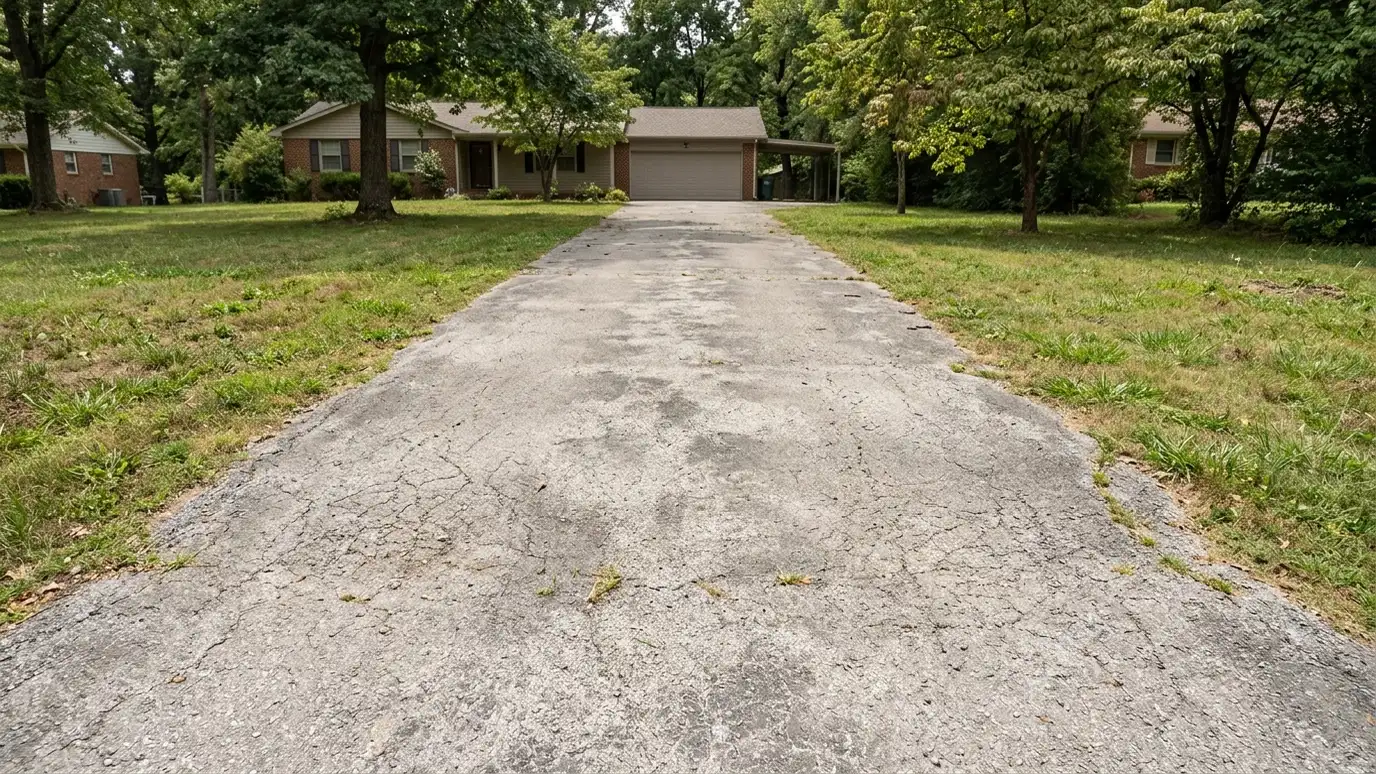 BeforeAfter
Sun, water and oil.
Fresh and uniform.
Before sealing.
Clean edges.
New asphalt waits.
Usually a day.
Every topic has its own page with what to expect and how we approach it.
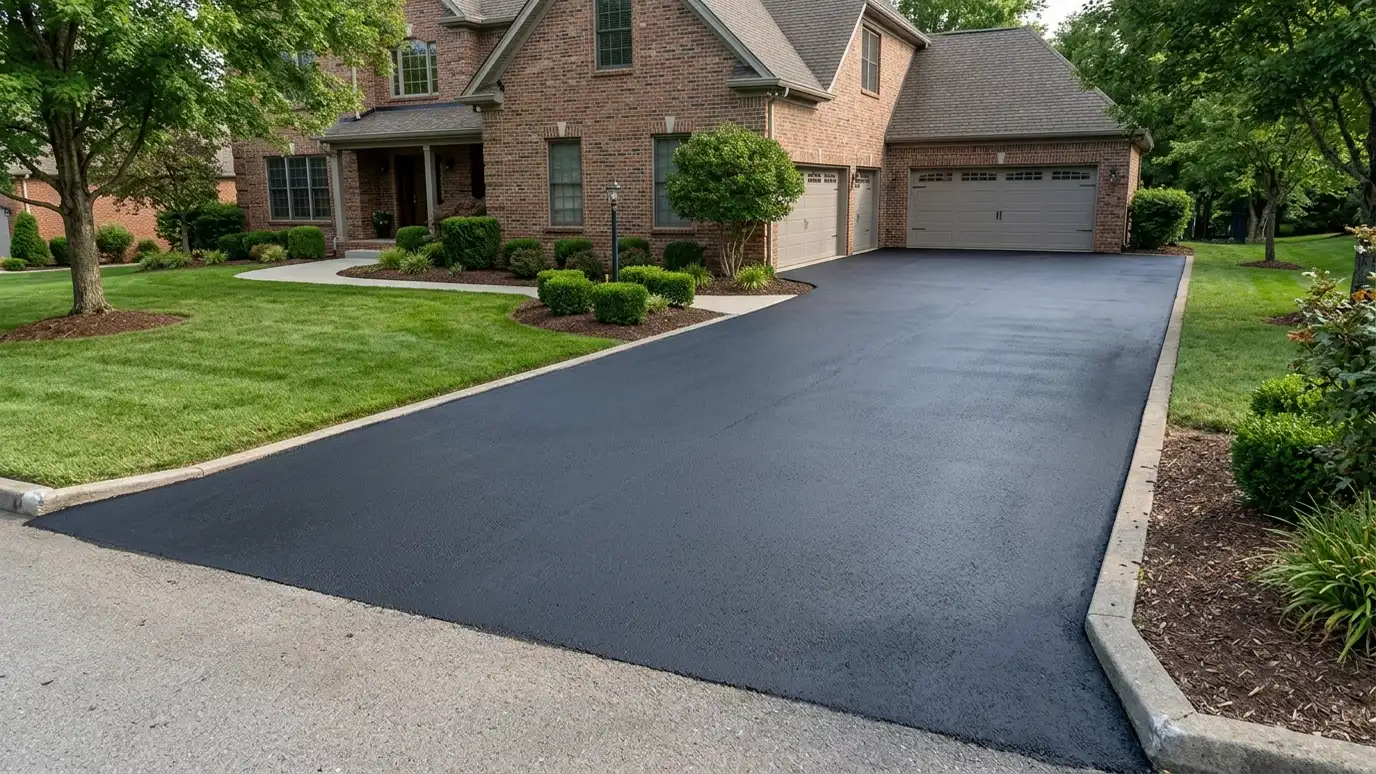 Asphalt finishSealcoated Charcoal FinishA rich, uniform charcoal-black coat that protects the surface and brings tired pavement back to life.Learn more
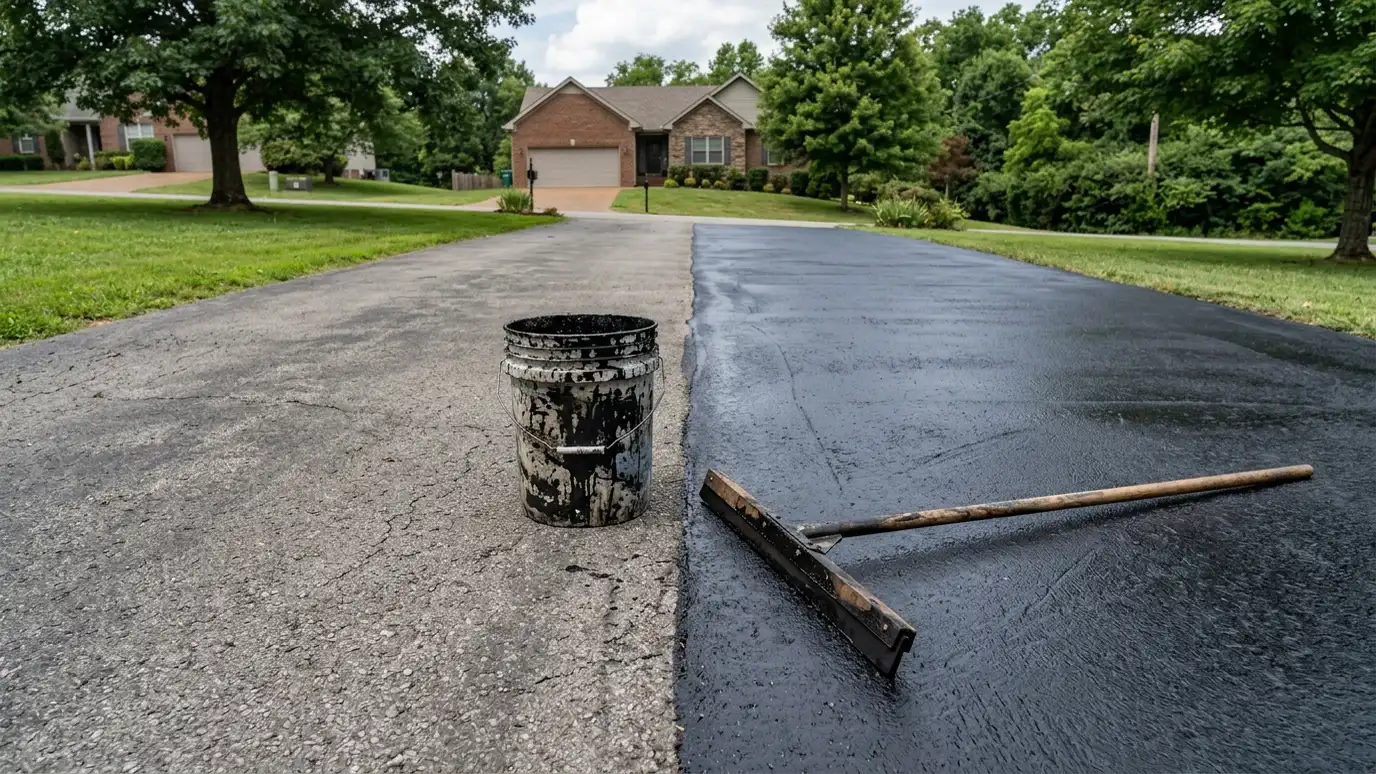 Topic guideSealcoating GuideWhat sealcoat does, when to apply the first coat, how often to repeat and when to skip it…Learn more
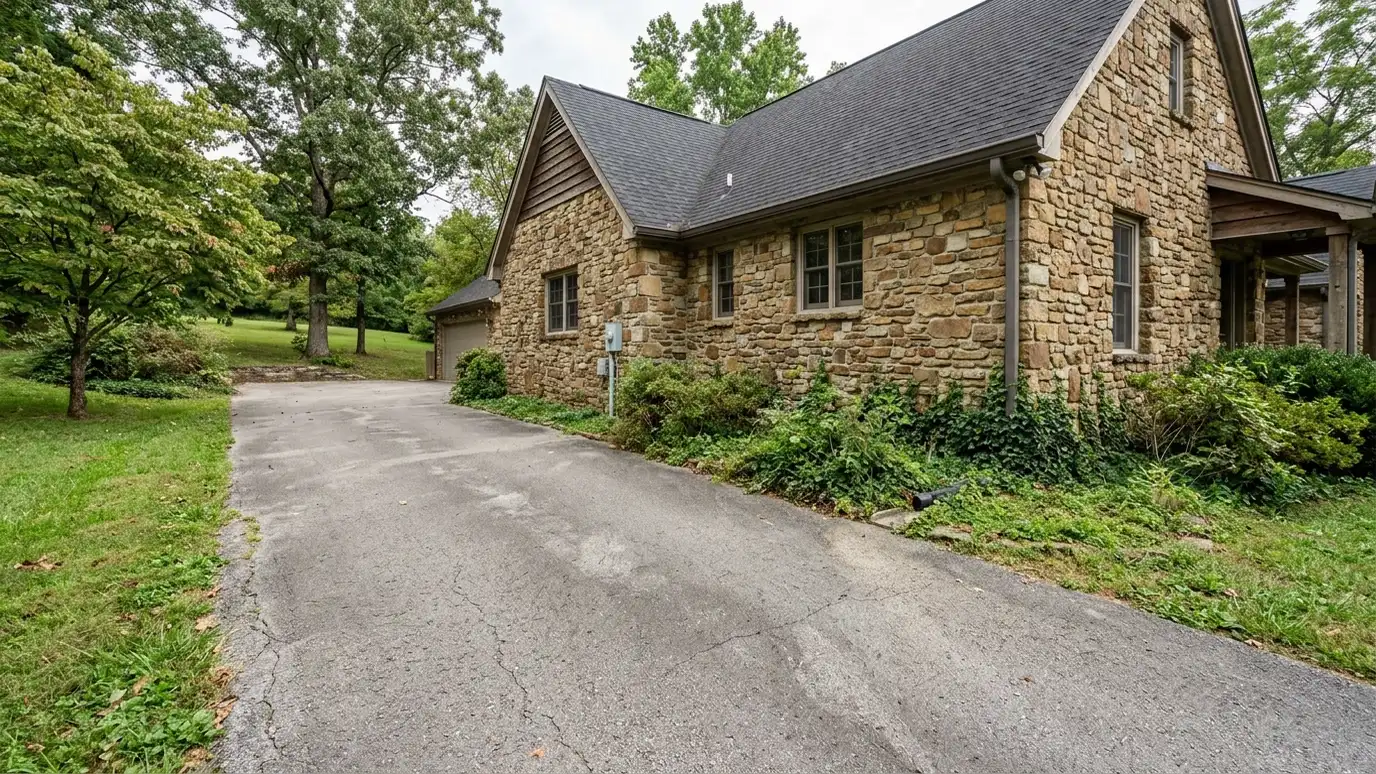 Asphalt finishAged Gray AsphaltWhat sun-faded gray asphalt tells you about its age, and what to do about it: sealcoat, repair or…Learn more
Enter your surface, age, condition and area to see when to sealcoat, how much sealer you need and what to repair first.
You tell us about your pavement and what you want to change, from a repair to a whole new lot, and we set a visit that fits your day.
We visit, measure, check slope, drainage and the existing base and talk through thickness, edges, borders and finishes.
We plan the layout and drainage and give you an itemized written estimate with options, so you can compare it with any other bid.
We remove old pavement, grade, correct drainage and build a compacted stone base.
Hot mix is placed and compacted, edges are finished and striping, borders or sealing are completed.
We walk the finished pavement with you, explain curing and care and leave the site clean.
Many driveways do well with a coat every two to four years, depending on sun, traffic and condition.
Wait several months to a year so the asphalt can cure first.
Often a day or two, depending on weather. We give exact guidance.
It does not. Cracks are filled first, then the surface is sealed.
A properly applied coat has good traction, and we can add sand for extra grip if you want.
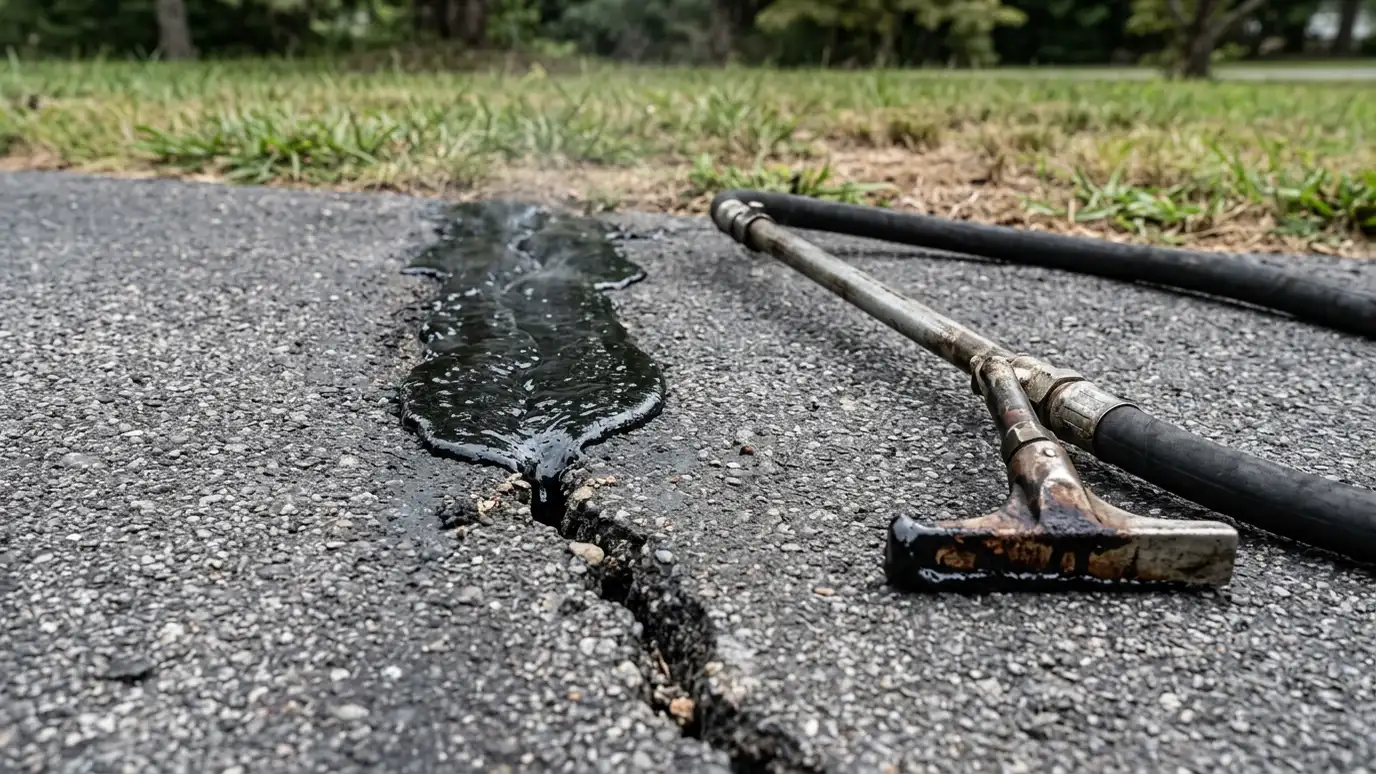 Crack SealingHot rubberized sealant that fills and seals cracks before water gets in and turns a hairline into a…Explore
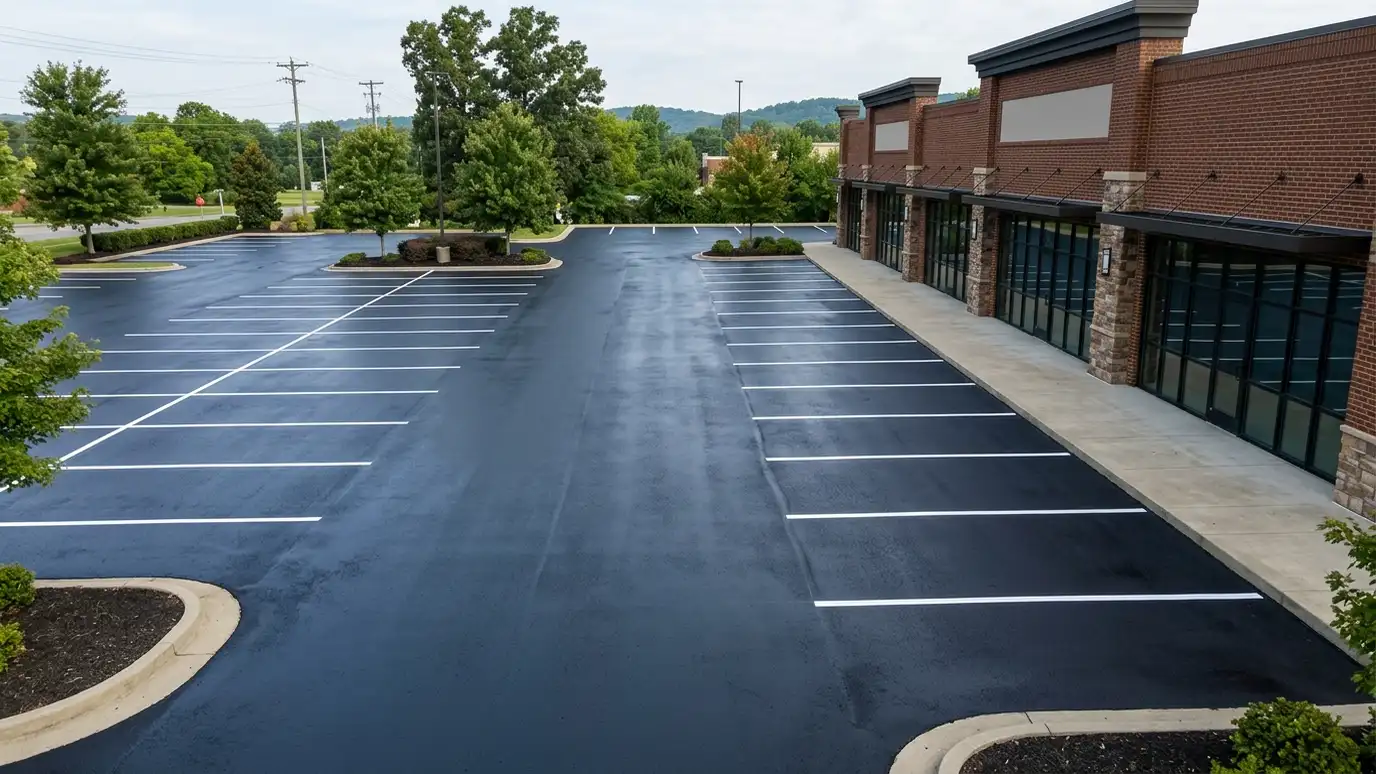 Parking Lot SealcoatingProtective sealcoat for commercial lots that fights sun, water, oil and salt, keeps pavement dark and extends its…Explore
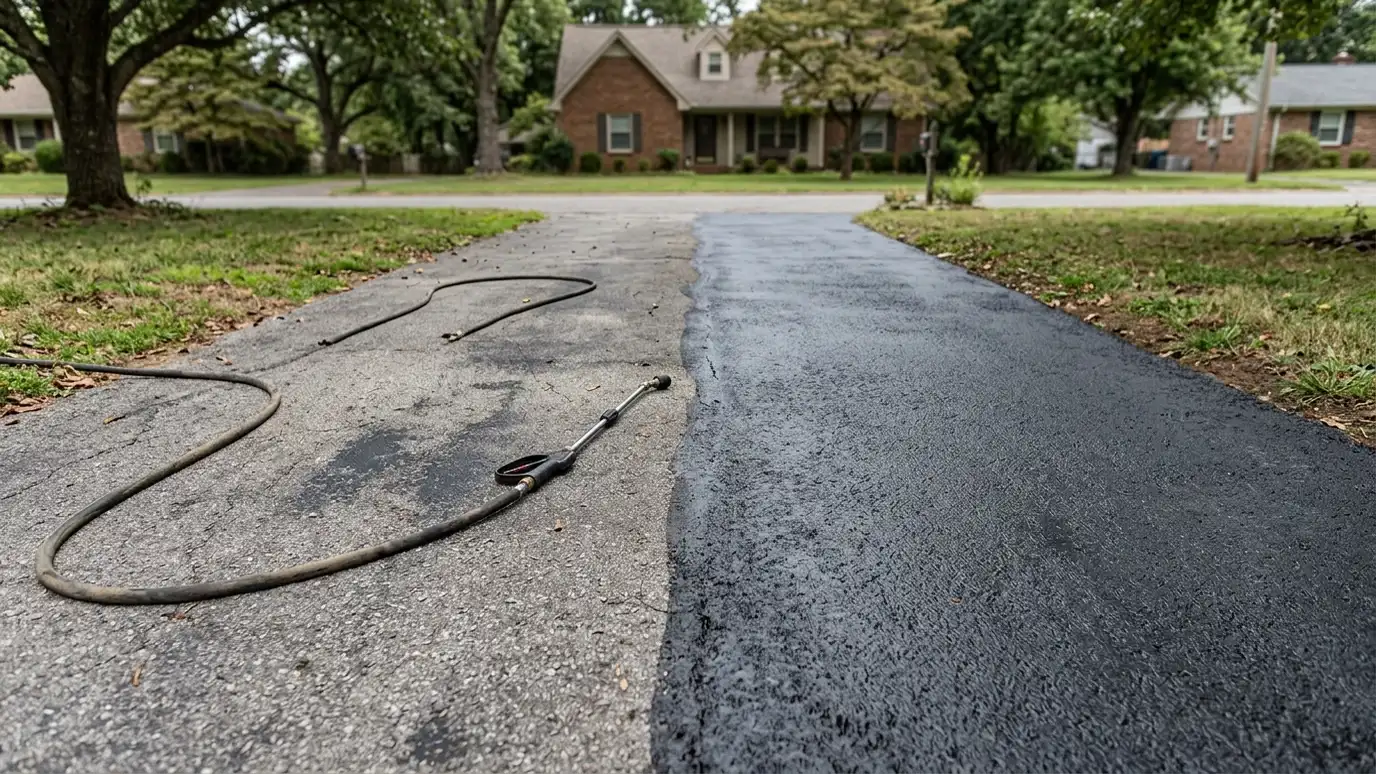 Rejuvenation and Fog SealingRestoring the binder in aging asphalt with rejuvenating sealers and light fog seals that slow raveling and extend…Explore
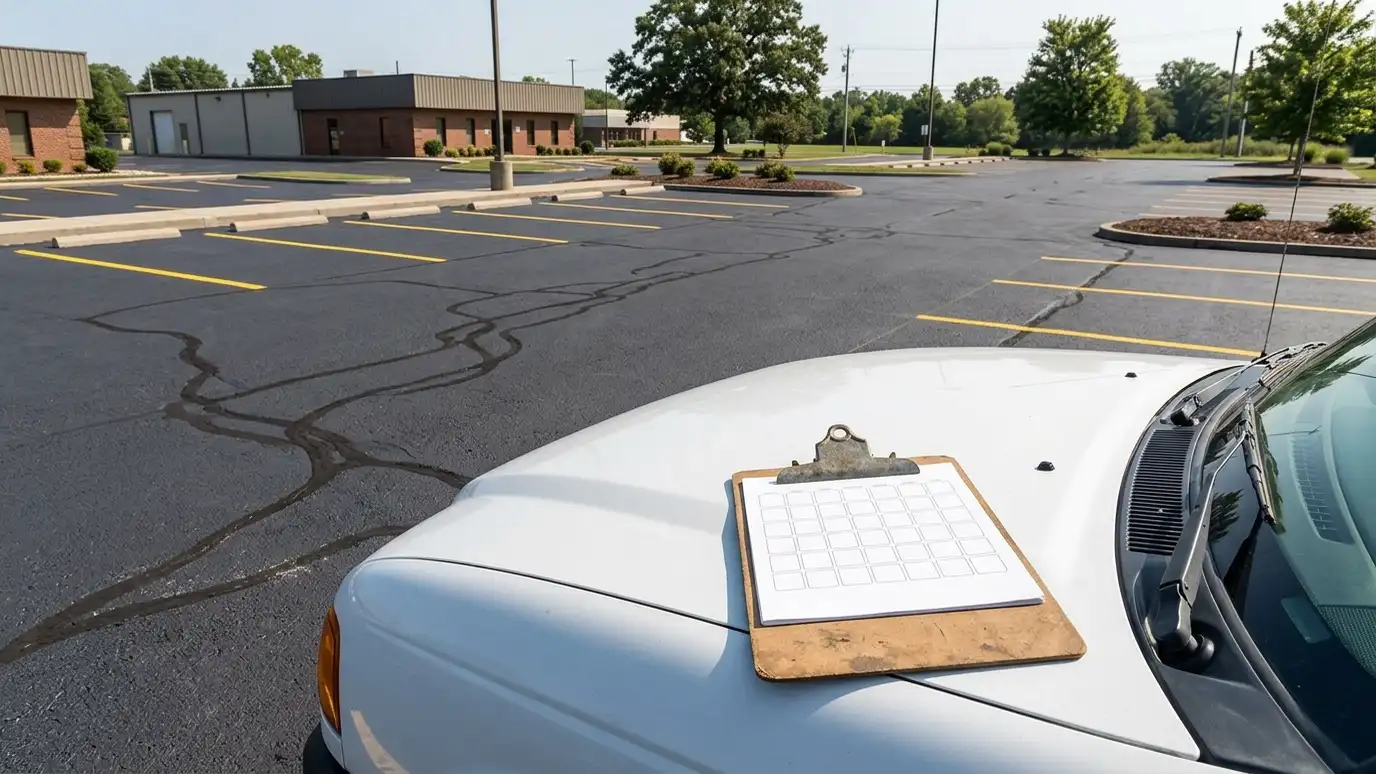 Pavement Maintenance ProgramsA simple multi-year schedule of crack sealing, sealcoating, patching and striping that stretches the life of your pavement…Explore
Tell us about your project and we will call you back to set up a visit.
Or call (615) 357-7797 to talk now.