What sealcoat is
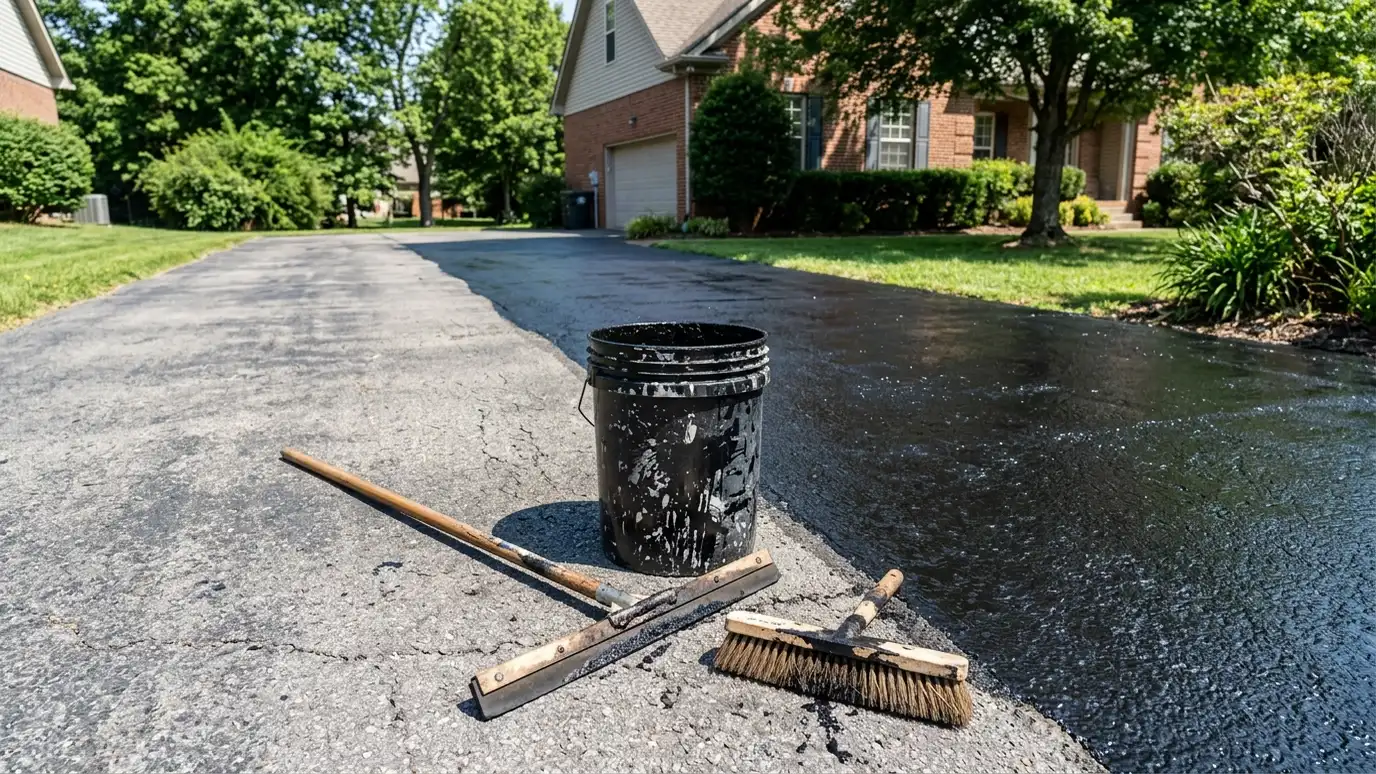
Sealcoat is a thin coating of asphalt emulsion, fine fillers and polymers that is sprayed or squeegeed onto the pavement. It dries to a dark, uniform finish that shields the surface from sun, water and oil.
It is a protective layer, not a repair, and it is meant to be renewed over time.
Think of it as sunscreen and a raincoat for the pavement. It will not make weak asphalt strong, but it keeps good asphalt from drying out and cracking too soon, which is why timing and preparation matter.
What it does well
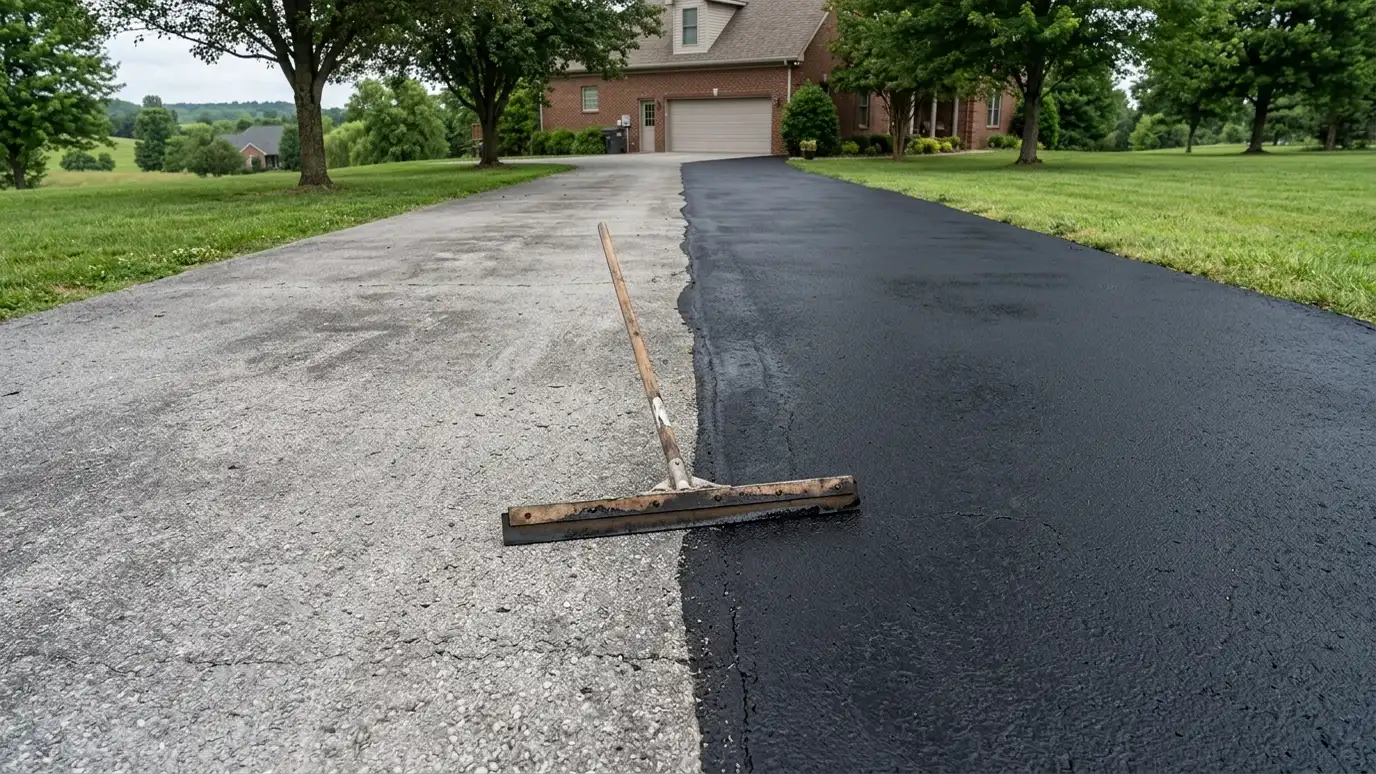
Sealcoat slows oxidation, reduces water penetration and helps resist oil and fuel drips. It restores a rich black color and evens out the look of old patches.
On pavement that is aging but sound, it can add years to the life of the surface.
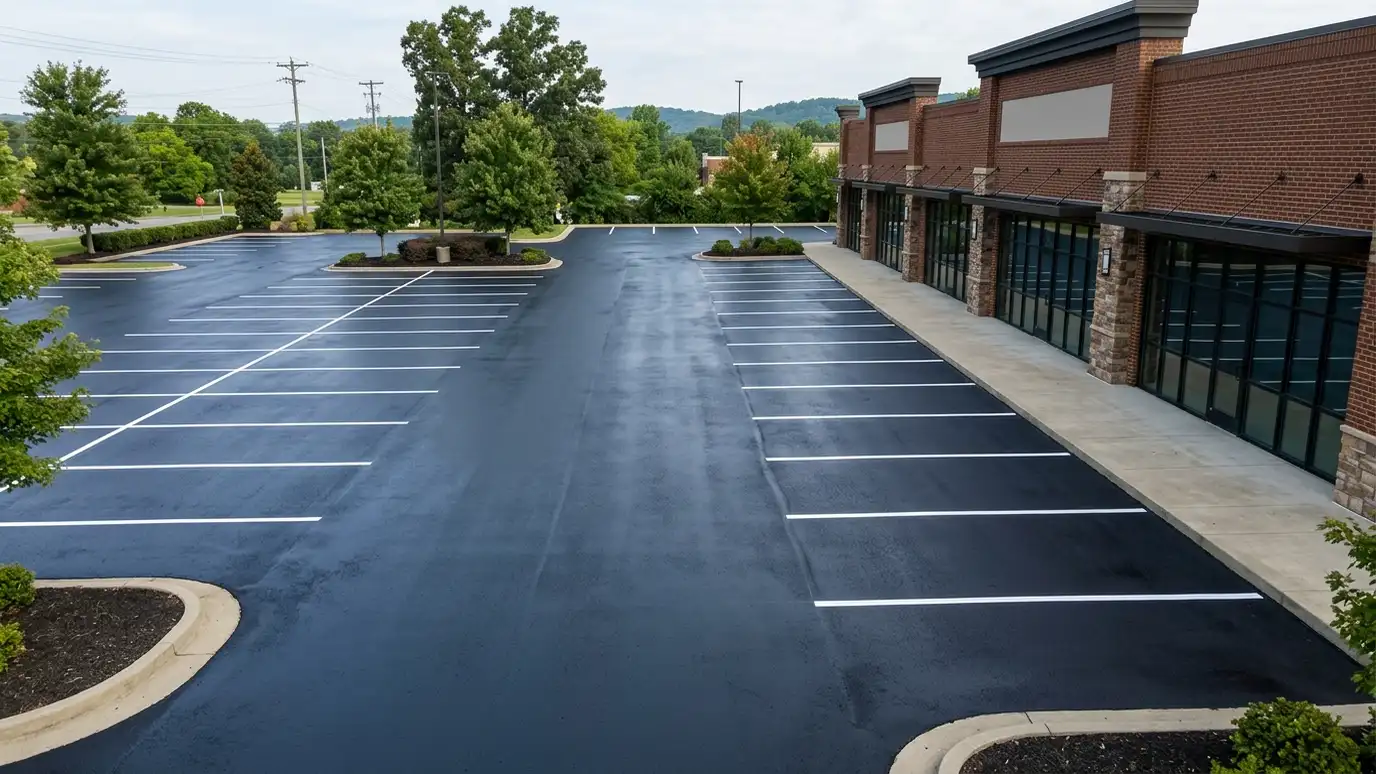
Many owners also appreciate the finish. A fresh charcoal coat makes a faded drive look new, sets off landscaping and makes line striping on lots crisp, which helps a business look cared for.
What it cannot do
Sealcoat does not fix cracks, potholes or soft spots. It will not rescue pavement with a failed base, and it will not stop alligator cracking.
Applying it over problems hides them for a short time and lets them grow.
If cracks are wide, if the pavement is crumbling at the edges or if water stands on the surface, sealcoat only hides the problem for a short time. Fix the cause first, then coat. Think of sealcoat as maintenance for good pavement, not a rescue for failed pavement.
How often to apply
After a new driveway has cured, a first sealcoat often goes on at six months to a year. After that, every two to four years suits most driveways. Parking lots with heavy traffic may need it more or less often depending on use.
Too many coats build up and flake. Waiting too long lets the surface deteriorate. We help you find the right interval.
The right interval depends on use, shade, drainage and the quality of the mix. Heavily shaded drives stay damp and may grow algae, while sunny drives oxidize faster, so ask your contractor to judge your own surface instead of following a fixed calendar.
Preparation matters
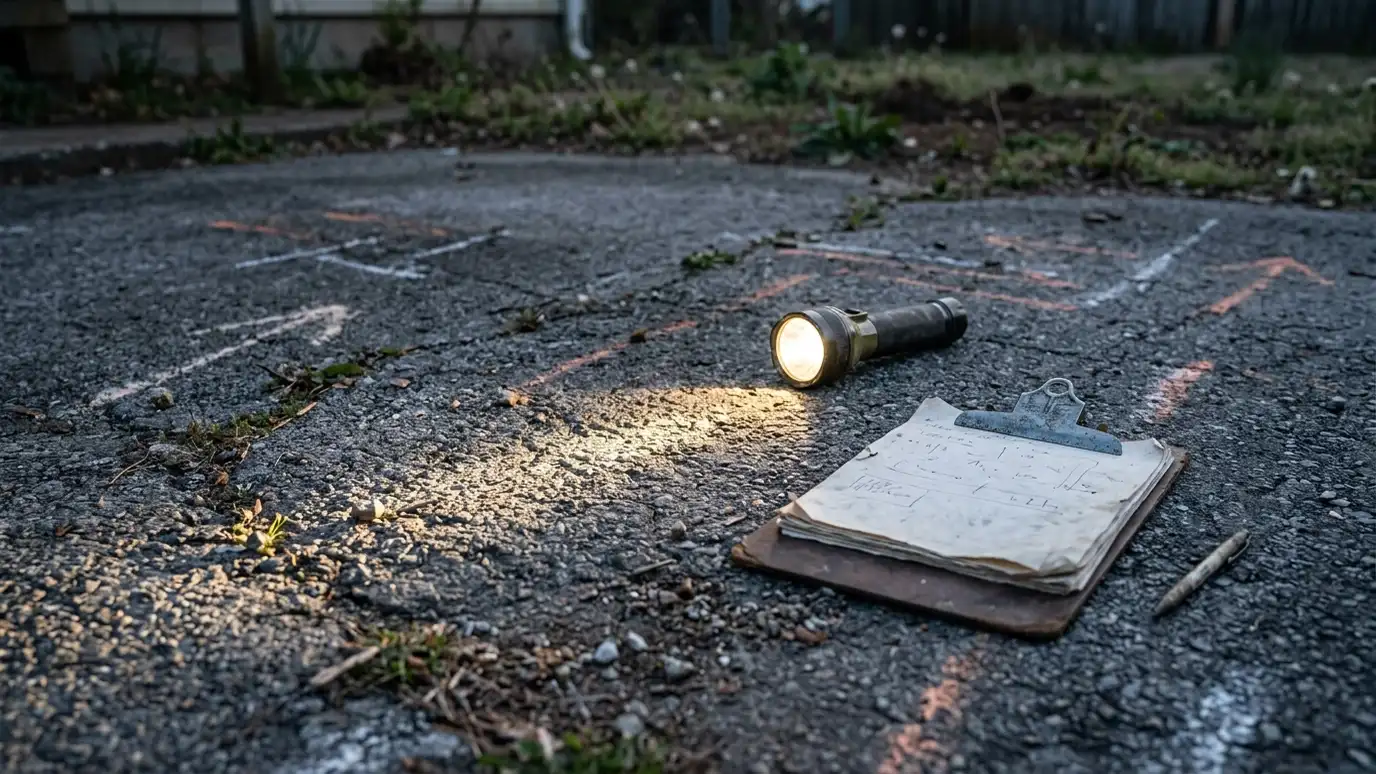
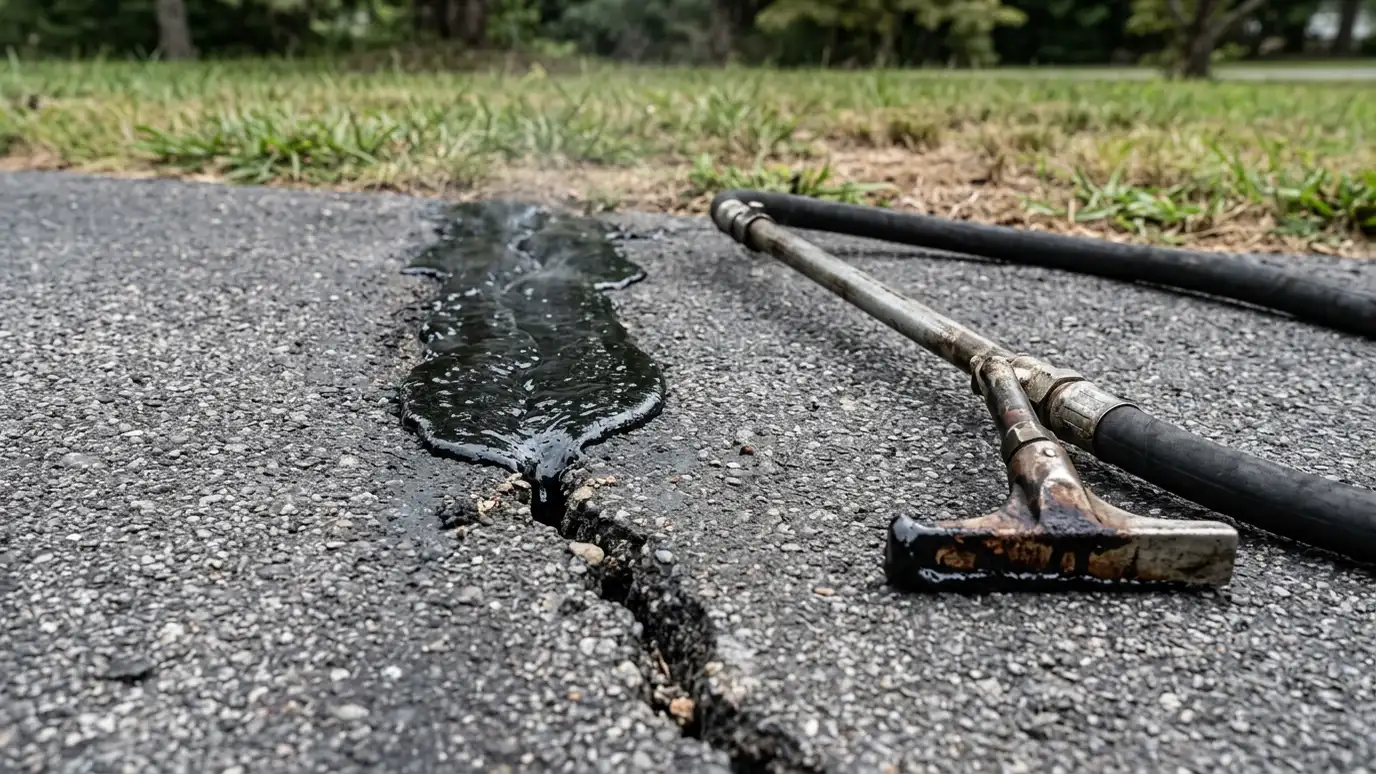
The surface must be clean, with dirt, leaves and oil spots treated. Cracks are sealed first, potholes are patched and edges are trimmed.
Good prep is most of the job. Coating over dirt peels quickly.
Good preparation includes sweeping or blowing off debris, washing oil spots with a degreaser, priming stubborn stains and trimming vegetation along edges. The coating bonds only as well as the surface beneath it.
Weather and cure time
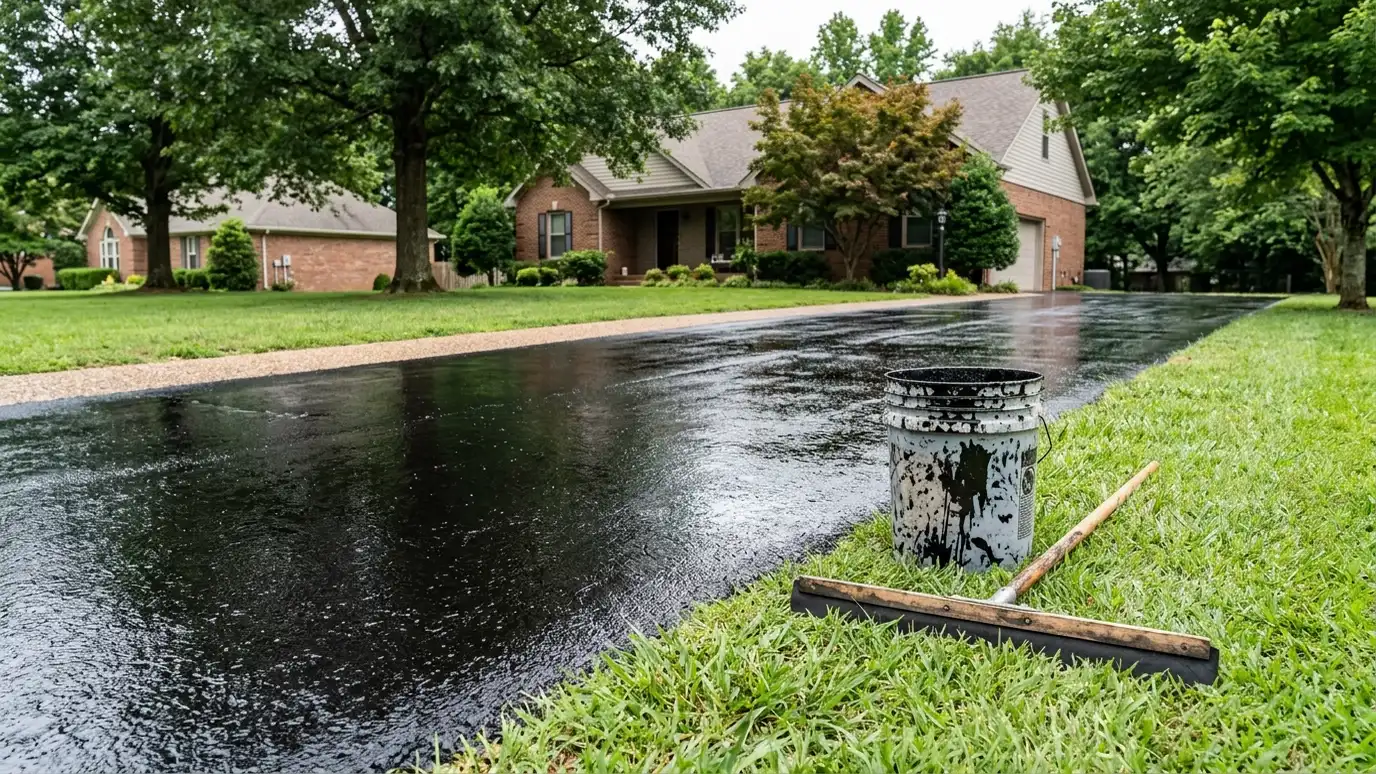
Sealcoat needs dry weather, mild to warm temperatures and time to cure. Rain soon after application can wash it away. Most surfaces need a day or two before cars can park.
We watch forecasts and schedule around them. In Nashville’s humid summers, early starts help.
Plan the schedule around the forecast and around when you need the driveway. Most surfaces are ready for light foot traffic the same day and for vehicles after a day or two, depending on temperature and humidity.
Common mistakes
Sealing too soon after paving, using thick coats, skipping crack repair and sealing in cold or wet weather all lead to problems. So does choosing a product that is thinned too far.
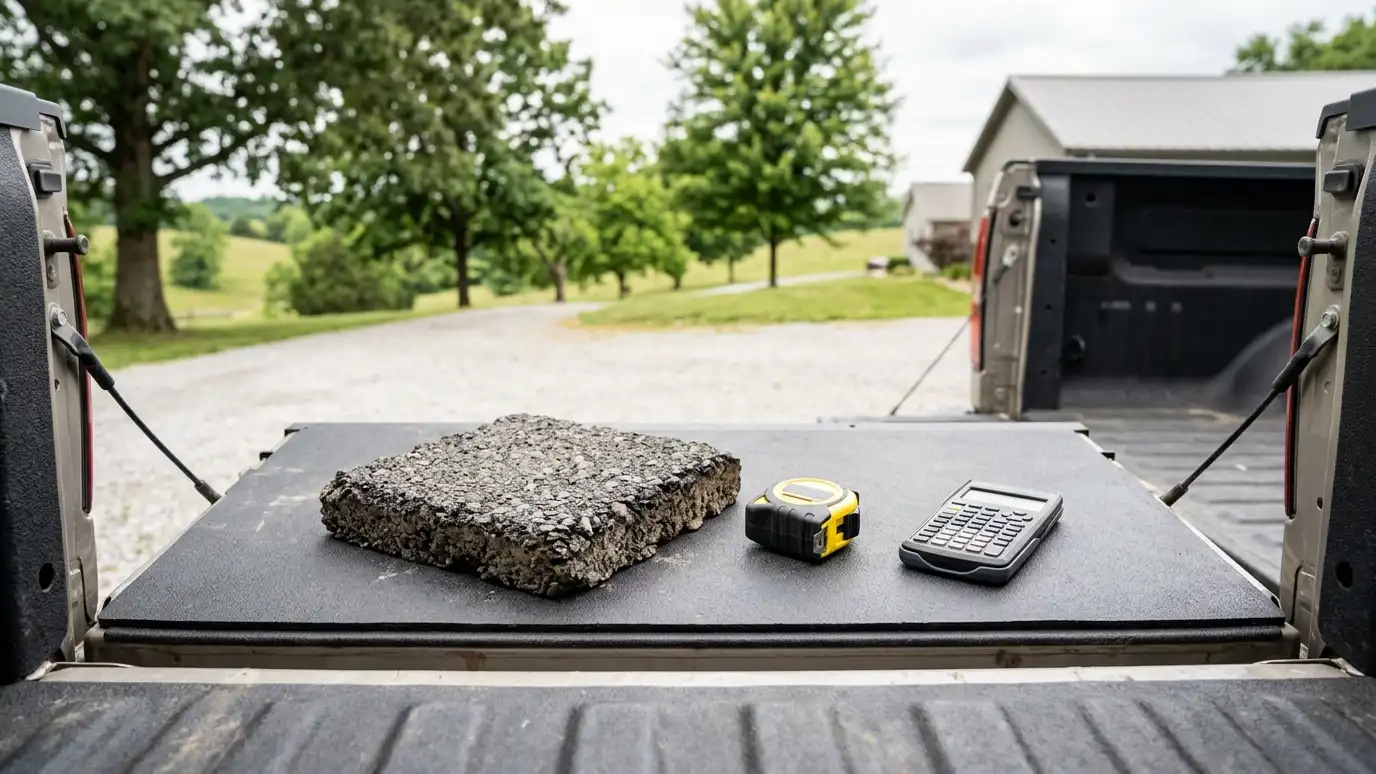
Ask what product and how many coats are in the quote, and what is done about cracks.
Another mistake is skipping a test patch on a surface with a past coating. If the old sealer is peeling, it must be removed or the new coat will peel with it. A short test reveals this before the whole job is done.
Repair first, seal when the pavement is aging but sound and repeat every few years, not every year.