Fabric, lime or cement treatment and deeper stone to firm up soft, wet or clay ground before paving on it.
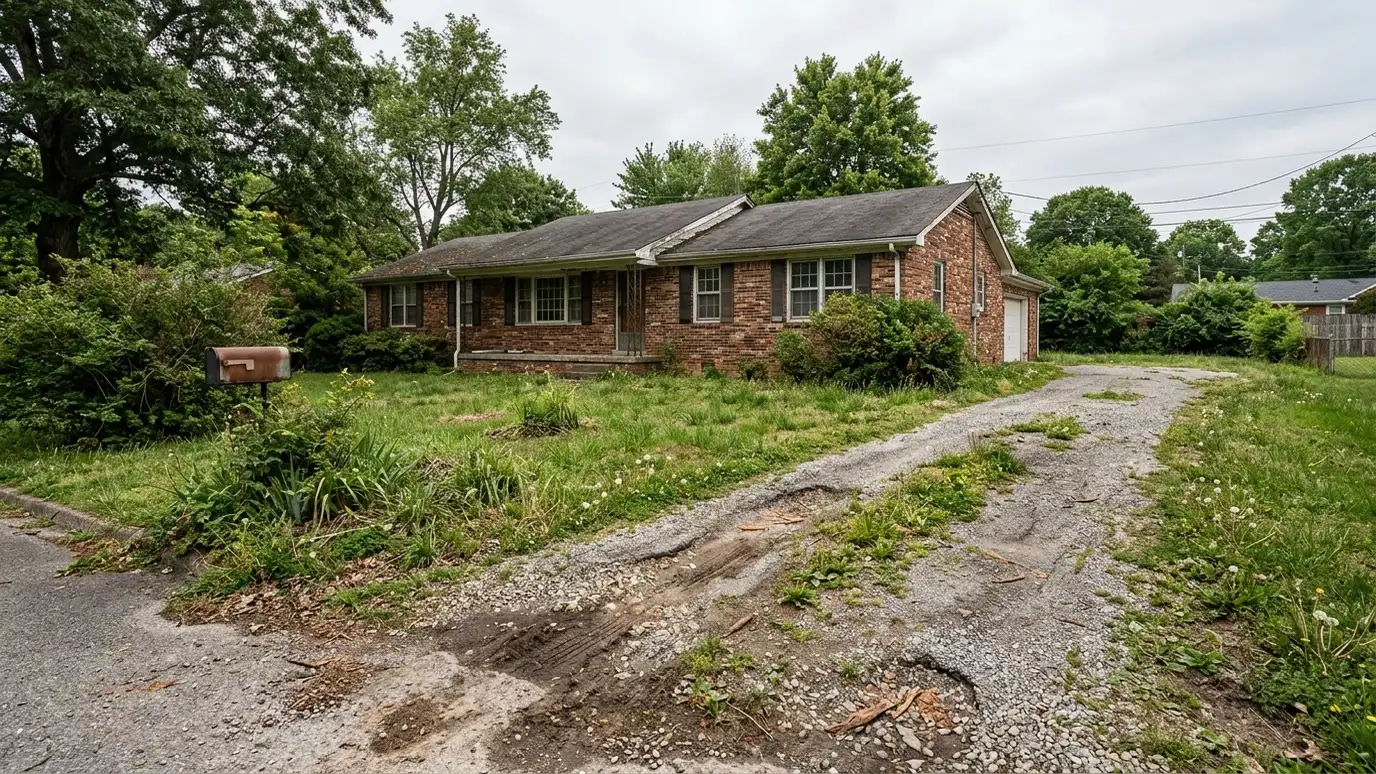
Some ground simply will not hold pavement. Soft clay, springy spots, old fill and areas where water seeps up from below can crumple a new driveway or lot within a season. Rather than hoping stone alone will do the job, stabilization treats the weak soil. Fabric separates soft soil from stone so they do not mix. Lime or cement mixed into clay makes it firmer and less sensitive to water. These tools turn problem sites into workable ones across Davidson, Williamson and Rutherford counties.
We begin by examining the soil: probing, proof-rolling and, for larger projects, referring to a geotechnical report. Then we choose the treatment. Often it is geotextile fabric under a deeper stone base. In other cases, we remove the soft layer and replace it, or blend lime into the clay and compact it. We tell you what we found, why we recommend a treatment and what it adds to the budget, so you can decide with the facts in front of you.
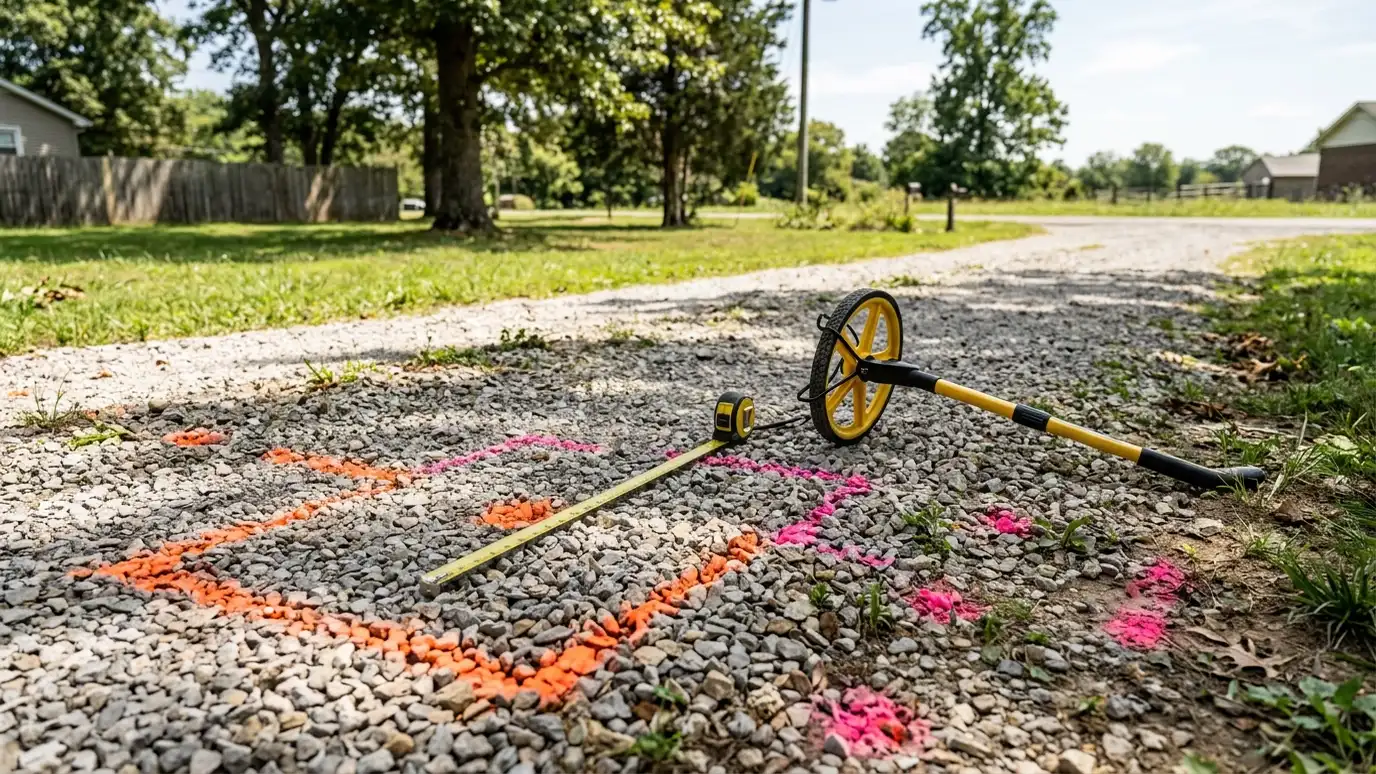
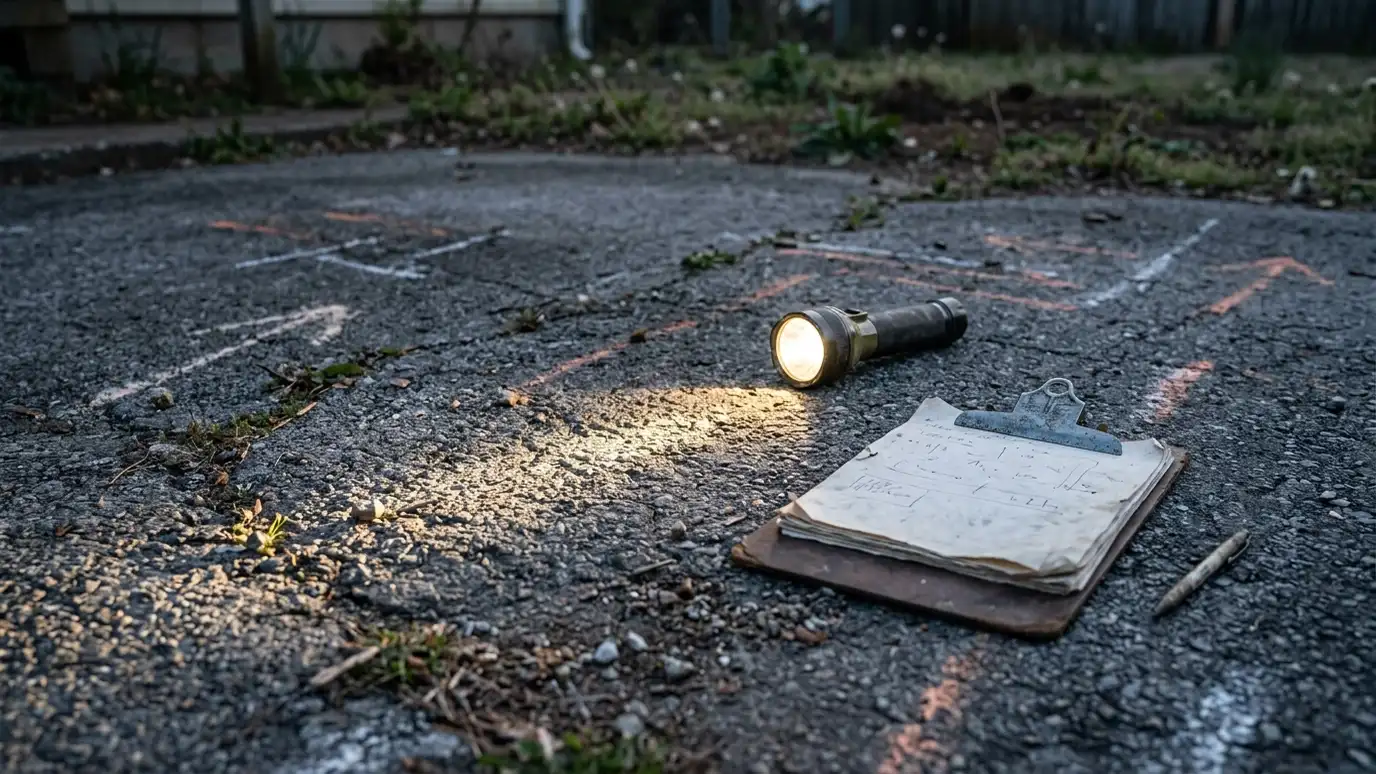
Probing and proof-rolling reveal where the ground is soft, wet or filled, so treatment goes where it is needed.
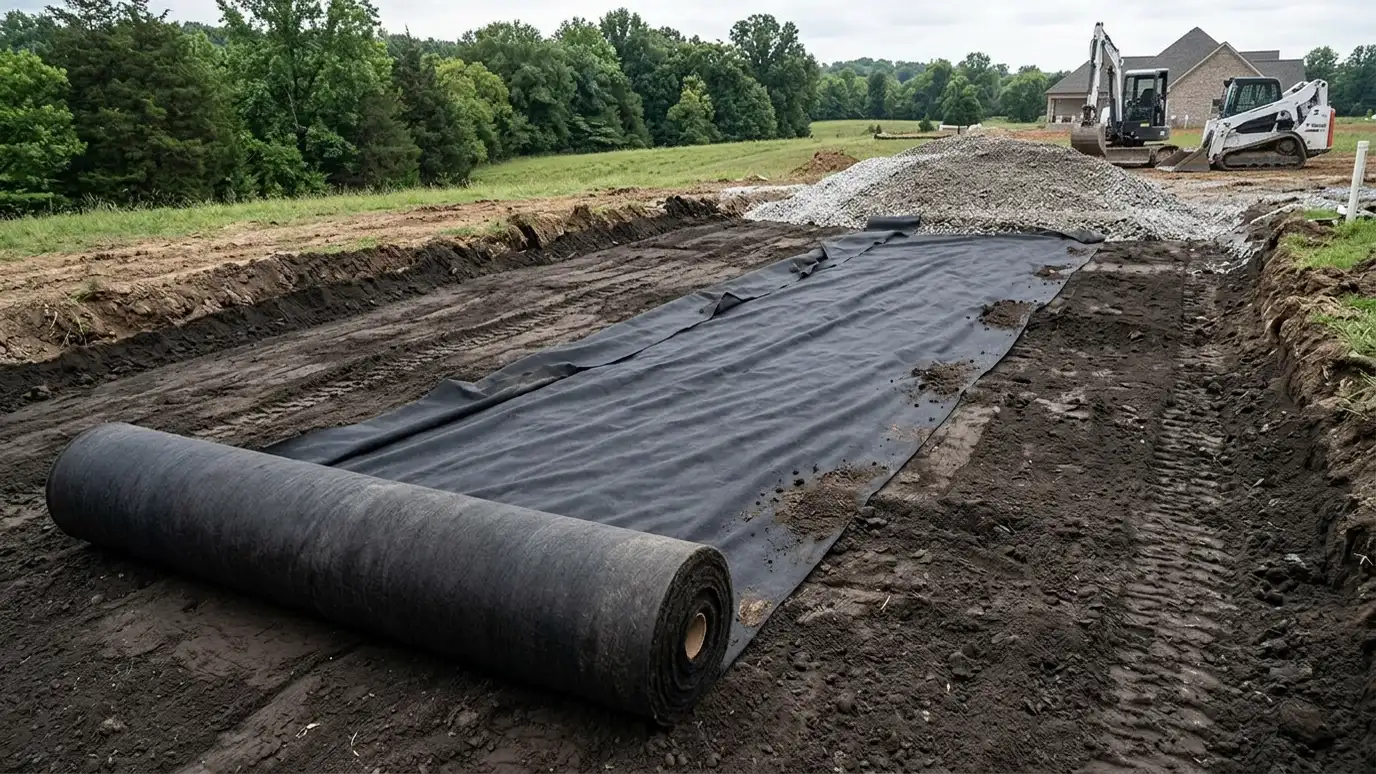
Geotextile fabric keeps stone from sinking into clay and spreads loads over a wider area.
Mixing lime or cement into clay lowers its moisture sensitivity and makes a firmer working platform.
For the worst spots, we dig out the soft layer and replace it with compacted stone, which gives the base a reliable footing.
Drag the handle to compare.
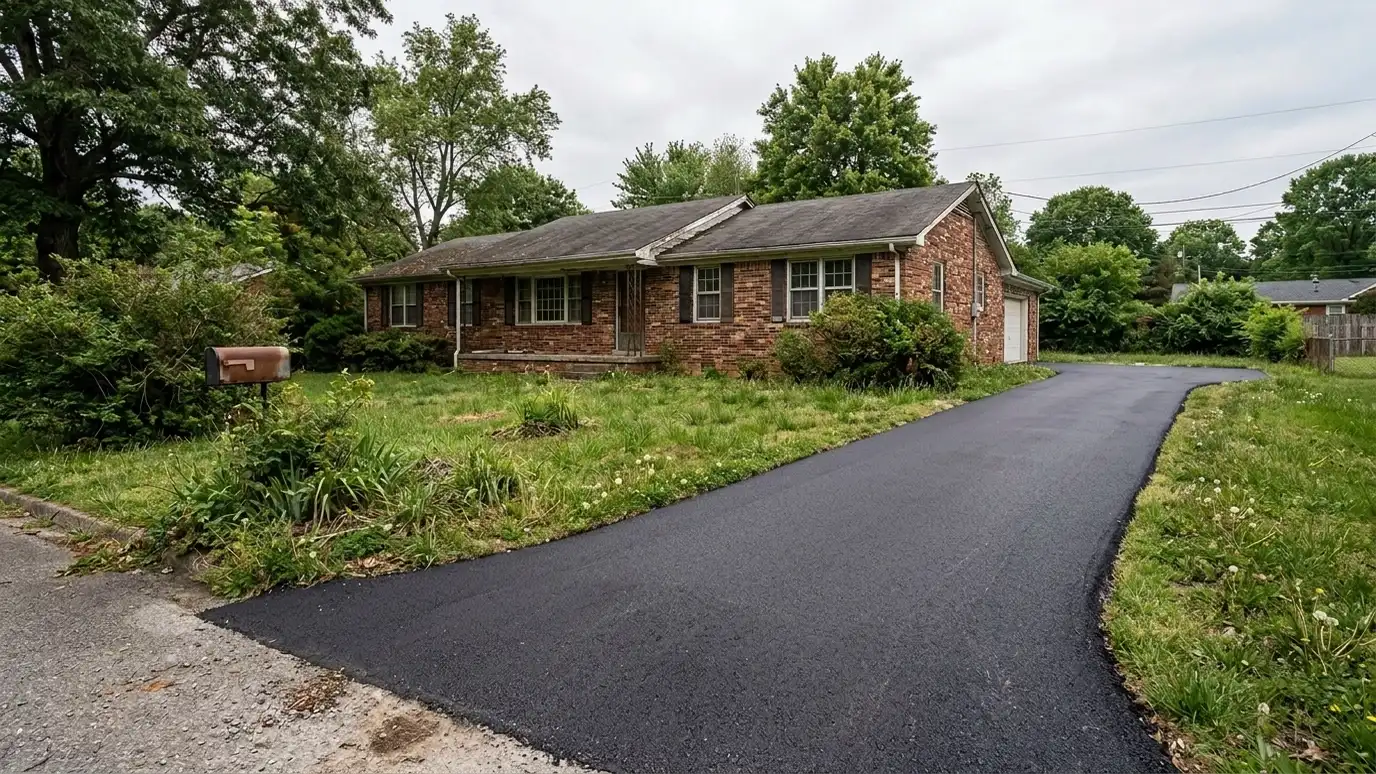
 BeforeAfter
Separates soil and stone.
Soft spots located.
Lime or cement.
Worst spots fixed.
Less moisture trouble.
Know the cost up front.
Every topic has its own page with what to expect and how we approach it.
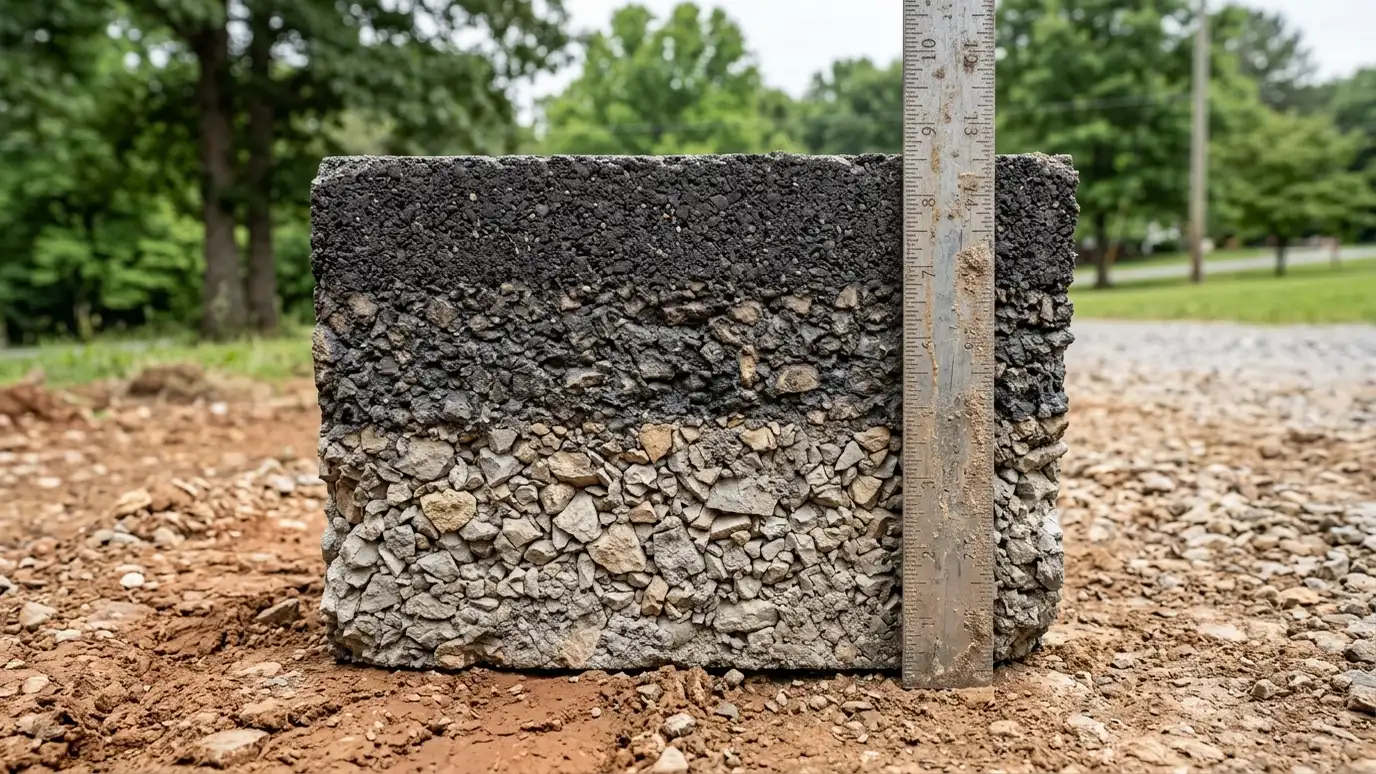 Topic guideThickness and LayersHow many inches of asphalt and stone a driveway, lot or truck court really needs, and what each…Learn more
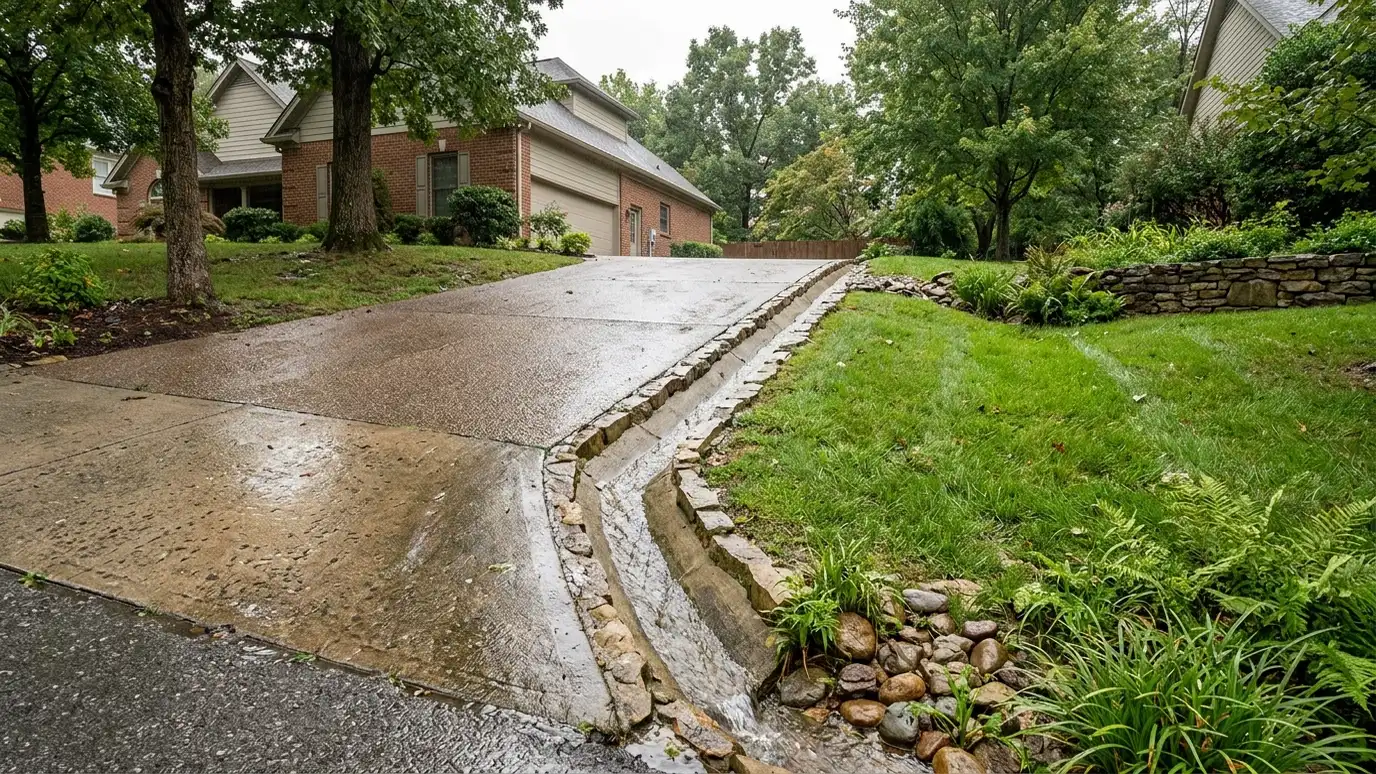 Topic guideDrainage and SlopeHow much slope a driveway needs, where water should go and how to solve puddles, runoff and washouts.Learn more
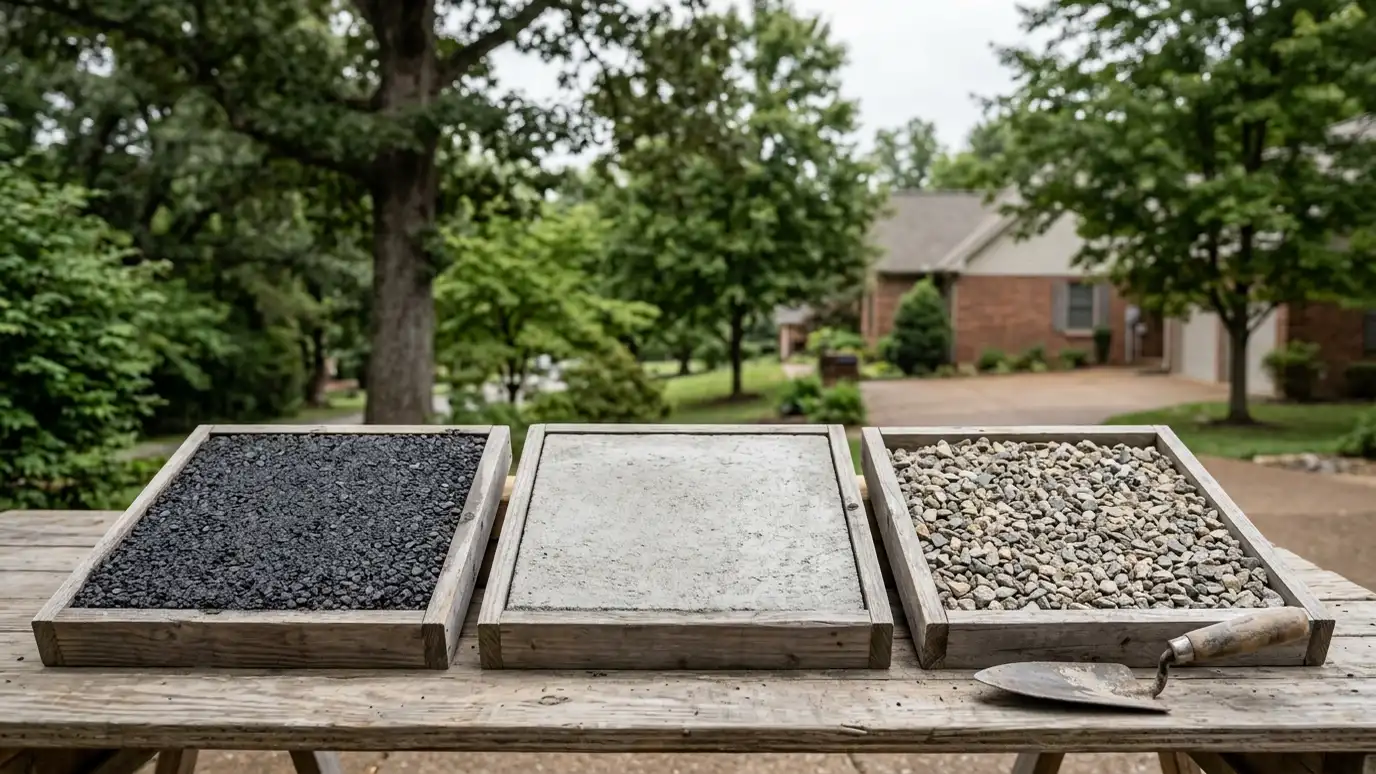 Topic guideAsphalt vs Concrete vs GravelHow the three common driveway and lot surfaces compare on cost, durability, care, look and repair, with honest…Learn more
Pick a job, set the size and add extras to see a ballpark planning range for your asphalt project.
You tell us about your pavement and what you want to change, from a repair to a whole new lot, and we set a visit that fits your day.
We visit, measure, check slope, drainage and the existing base and talk through thickness, edges, borders and finishes.
We plan the layout and drainage and give you an itemized written estimate with options, so you can compare it with any other bid.
We remove old pavement, grade, correct drainage and build a compacted stone base.
Hot mix is placed and compacted, edges are finished and striping, borders or sealing are completed.
We walk the finished pavement with you, explain curing and care and leave the site clean.
No. It is used where soil is soft or wet enough to mix with the stone.
Yes. Lime or cement can firm up clay before paving.
It depends on area and depth. We quote it separately so it is clear.
For large projects, often yes. For driveways, a probe and proof-roll is usually enough.
It greatly reduces the risk when combined with a proper base.
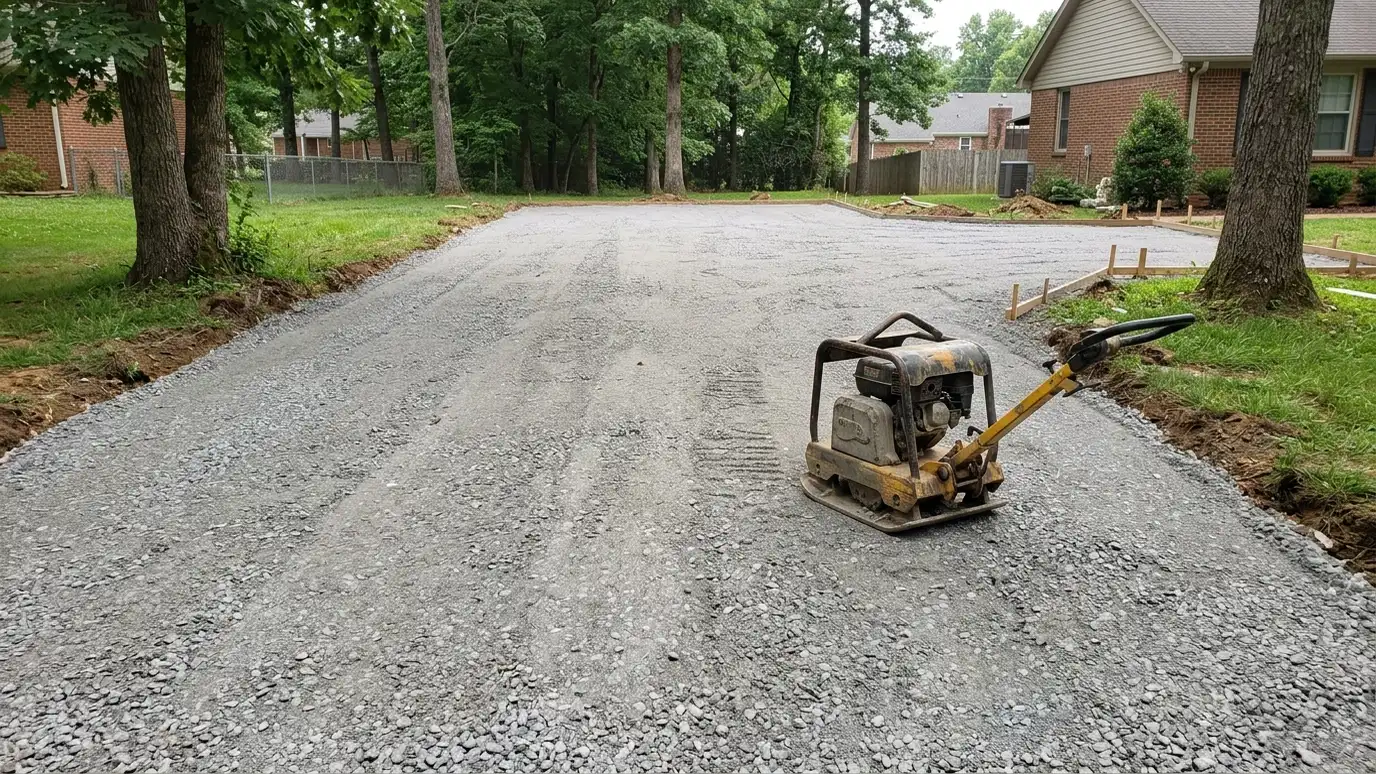 Stone Base and Subgrade PreparationThe hidden half of every paving job: compacted crushed stone laid in lifts over a stable subgrade so…Explore
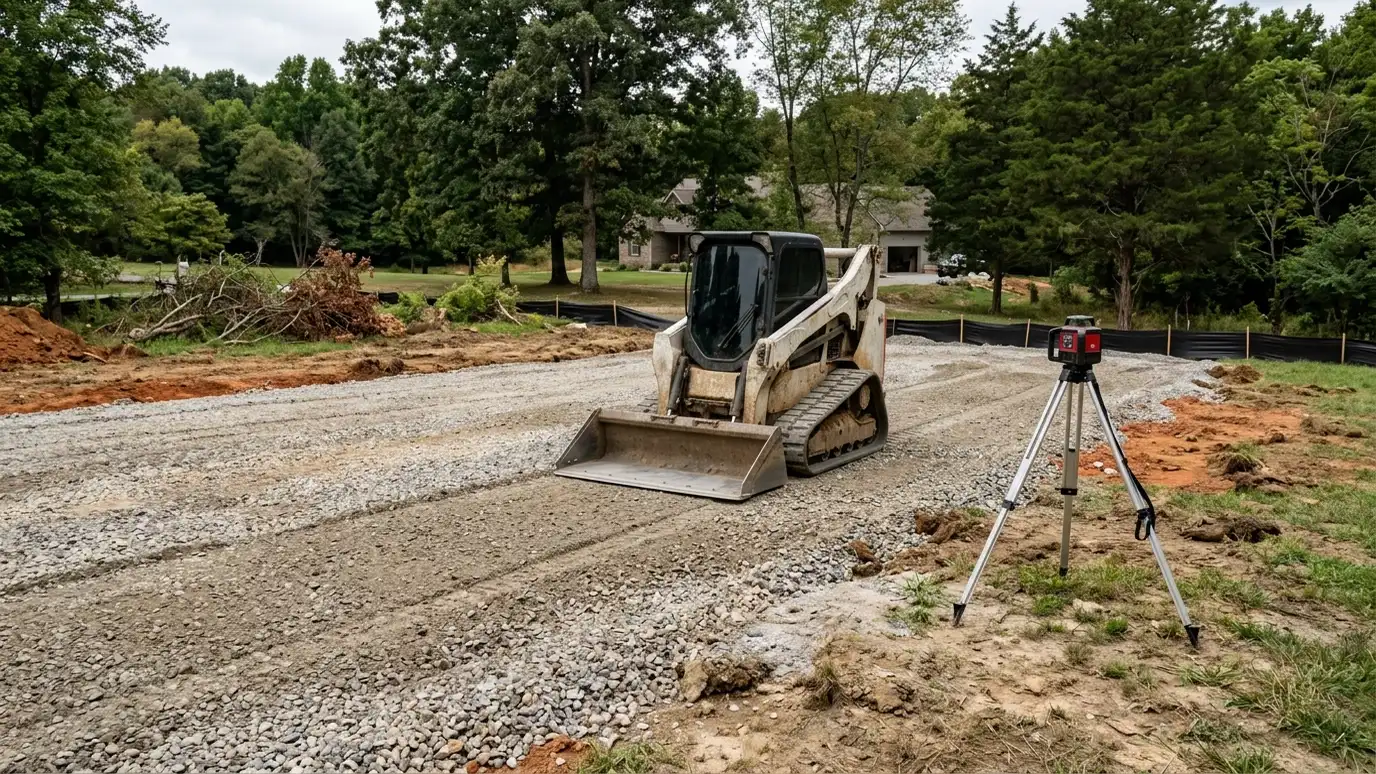 Site Grading and ExcavationShaping the ground so pavement drains, sits level and has a firm foundation, from a single driveway to…Explore
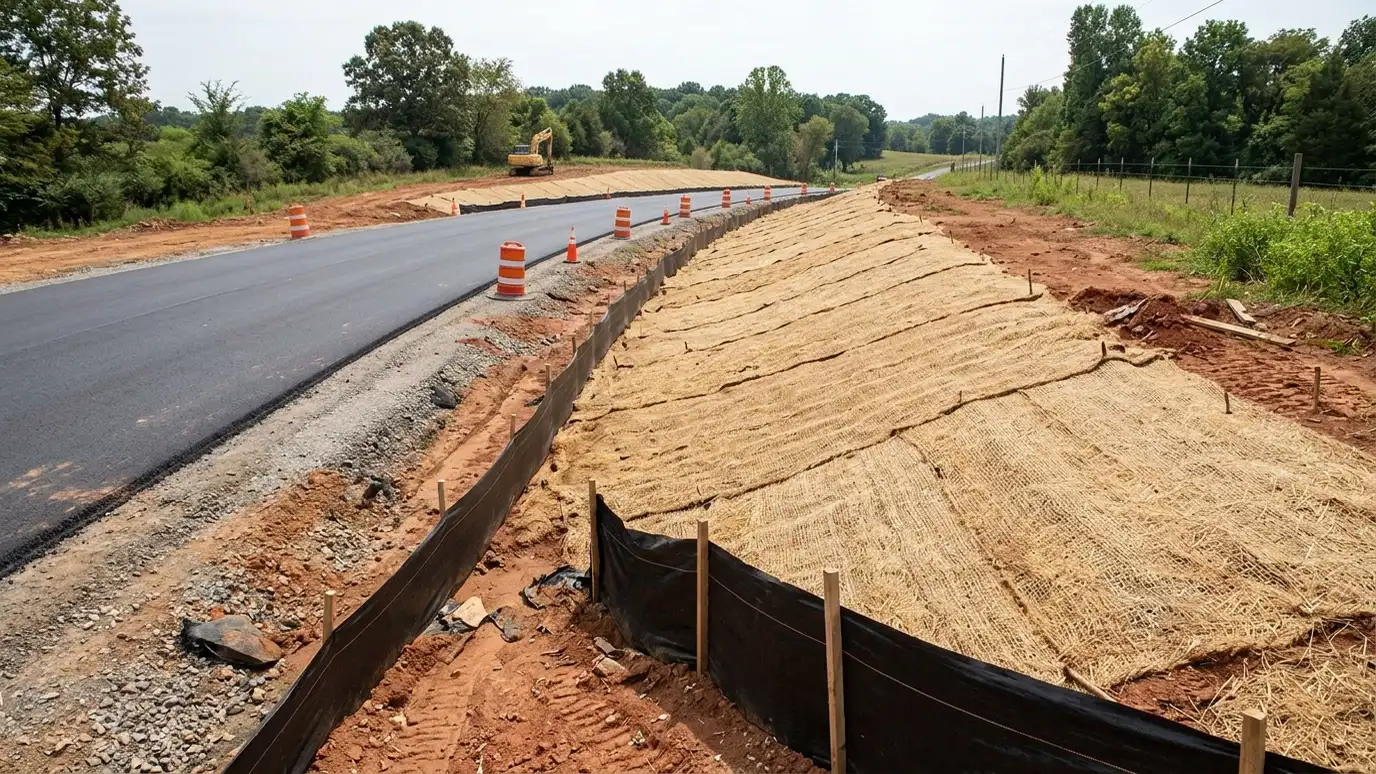 Erosion Control and Site StabilizationSilt fence, stone, seed and straw, matting and slope work that keeps soil in place during and after…Explore
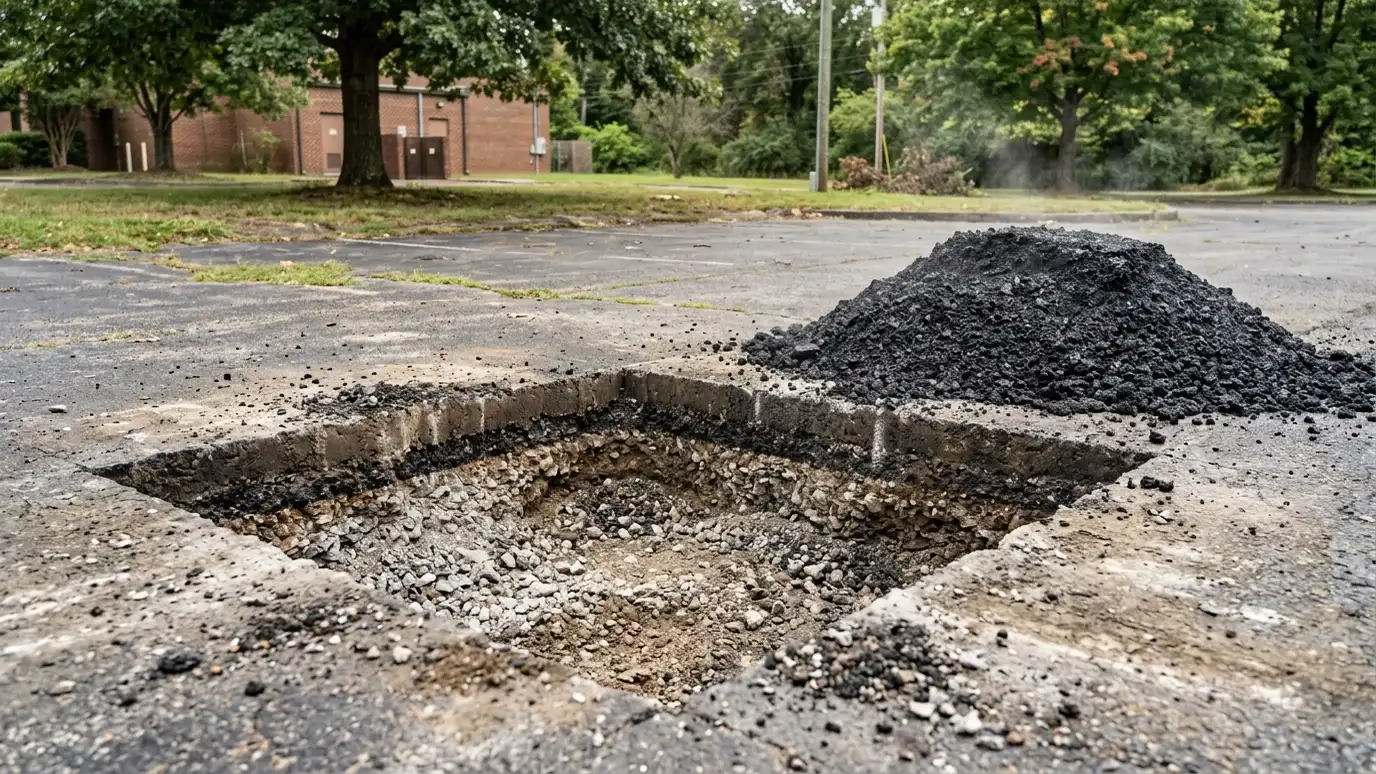 Full-Depth RepairRemoving failed asphalt and base completely and rebuilding the whole section, for areas where the foundation has given…Explore
Tell us about your project and we will call you back to set up a visit.
Or call (615) 357-7797 to talk now.