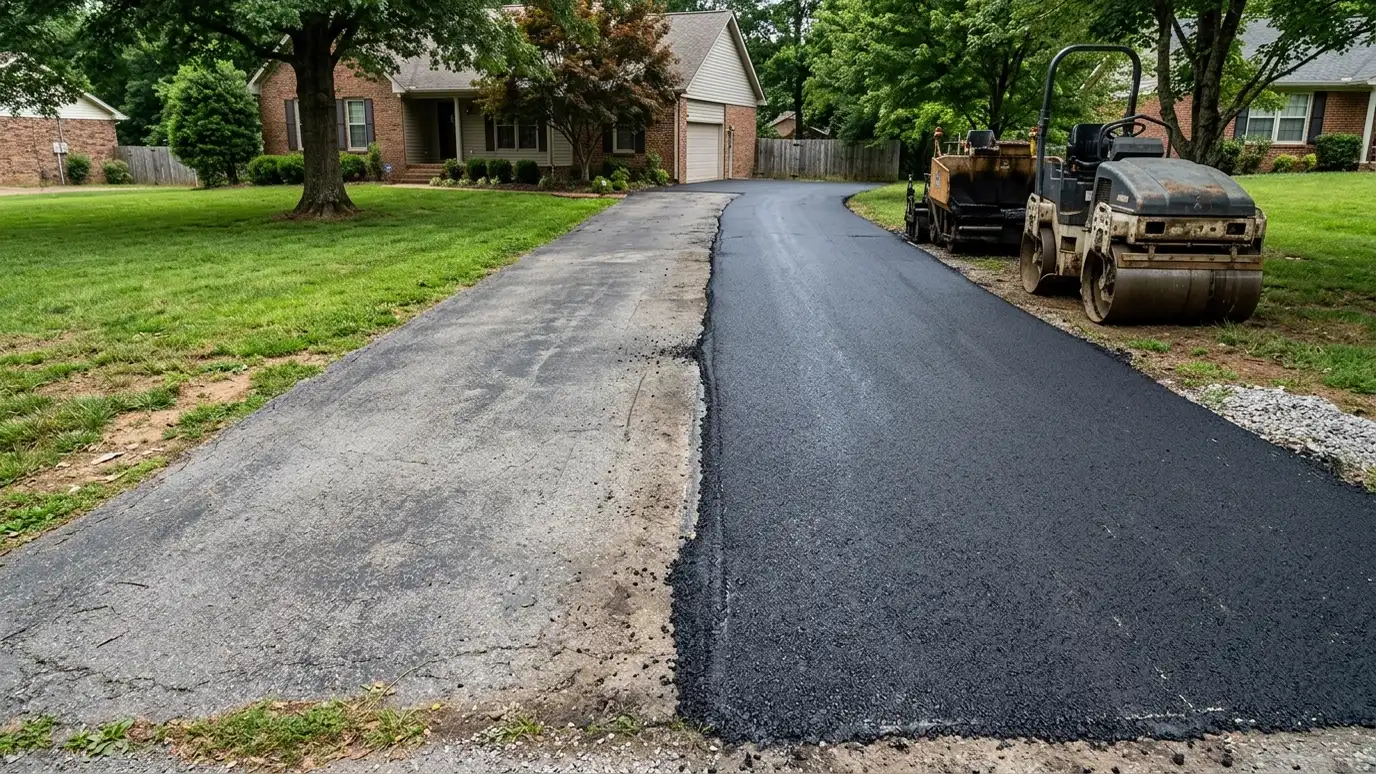
A fresh layer of asphalt over a sound driveway: smoother, blacker and watertight again, at a fraction of the cost of replacement.
If your driveway is faded, rough or cracked but still firm and solid underneath, a new layer of asphalt can bring it back. An overlay, sometimes called resurfacing or a recap, adds a fresh wearing surface on top of the old pavement. It costs much less than replacement and can be done in a day or two. In Nashville, where many driveways are ten to fifteen years old, resurfacing is often the smartest step.
The overlay is only as good as the repairs beneath it. We inspect the driveway, fix soft spots and failed areas first, clean the surface, apply a tack coat so the layers bond and then pave a new layer, typically about an inch and a half to two inches. We also adjust edges and the garage and street transitions so the new height works. If the driveway has failed at the base, we say so rather than putting new asphalt on a weak foundation.
We check for soft areas, deep cracking and drainage problems. An overlay works best when the base and pavement are still solid.
Failed spots are cut out and patched, and large cracks are treated, so they do not telegraph through the new layer.
A tack coat bonds the layers and a properly compacted new surface is laid at the right thickness for a long life.
We plan the new surface height at the garage, apron and edges so water drains and the driveway meets everything neatly.
Drag the handle to compare.
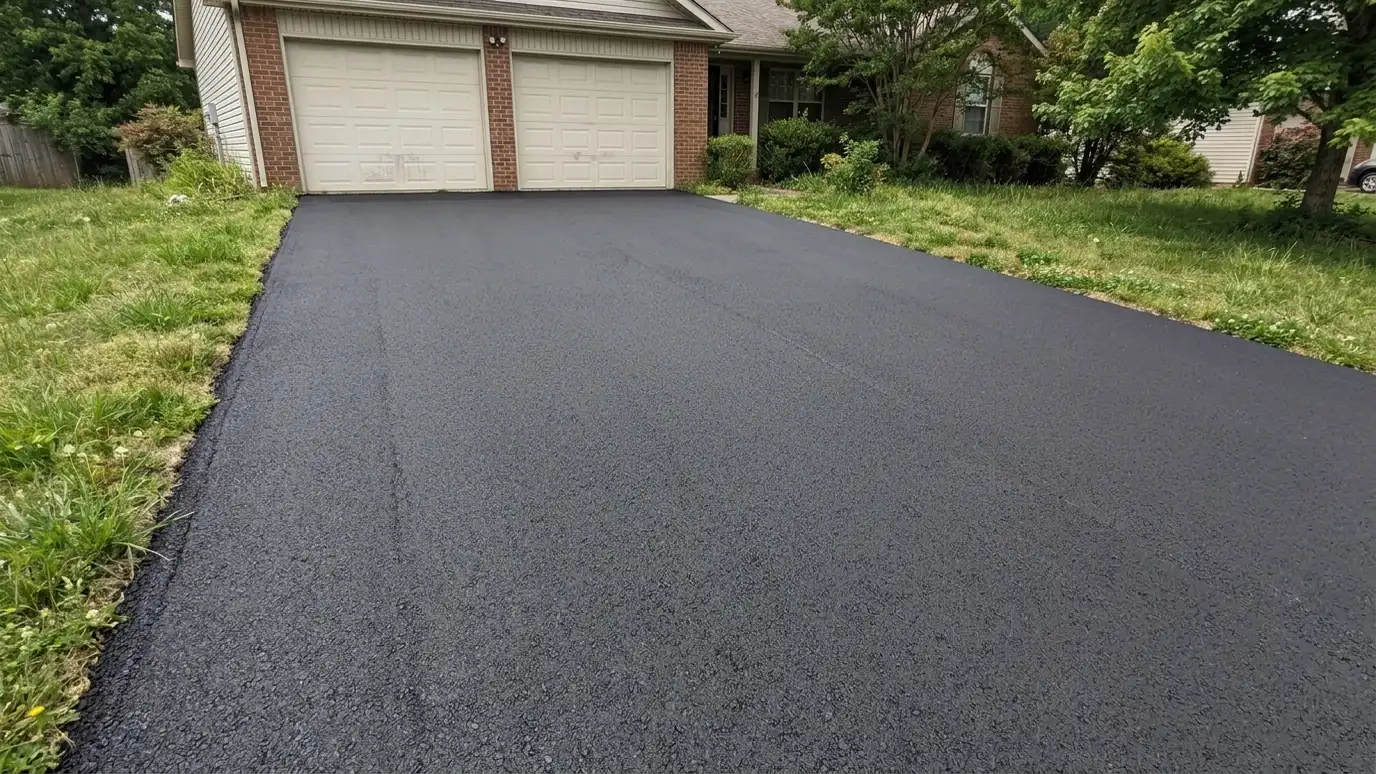
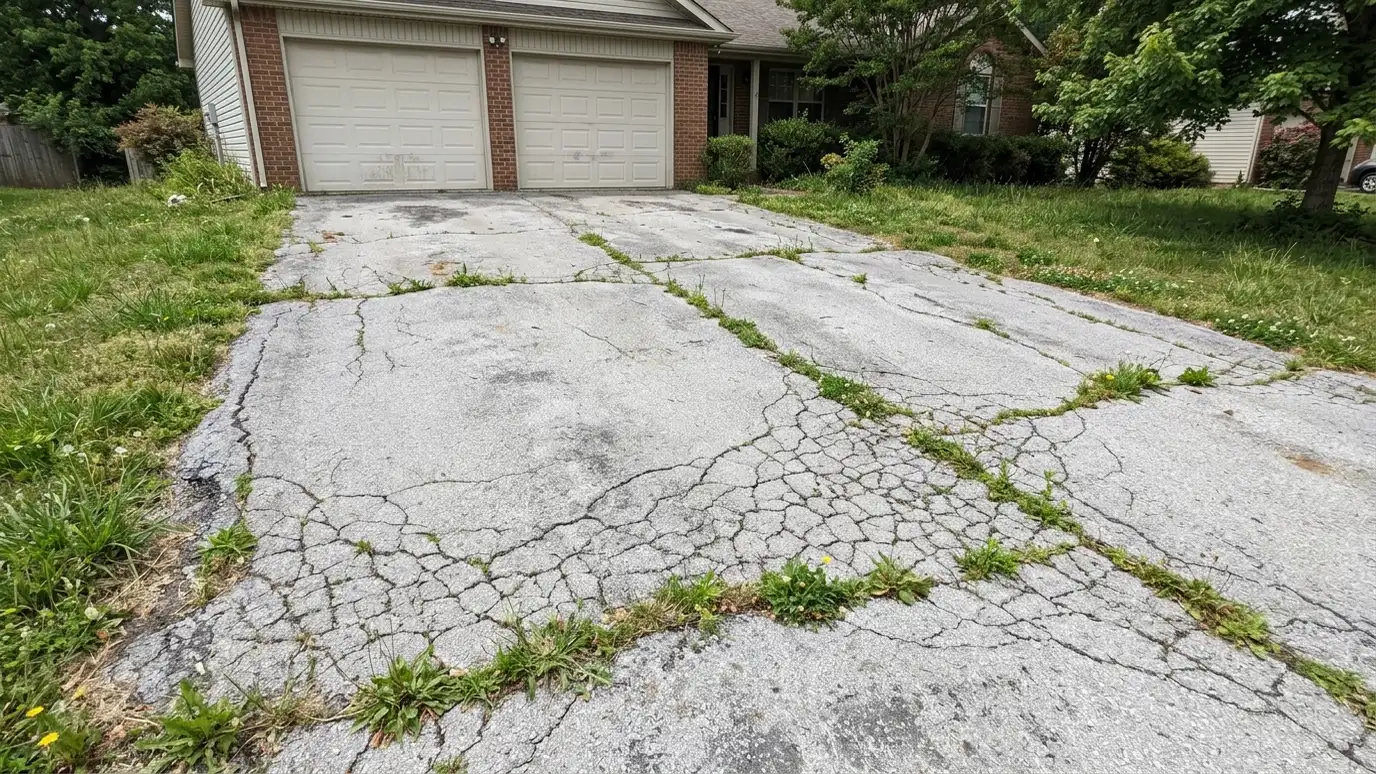 BeforeAfter
Smooth and black.
Versus replacement.
No hidden failures.
Tack coat applied.
Heights planned.
Often in a day.
Every topic has its own page with what to expect and how we approach it.
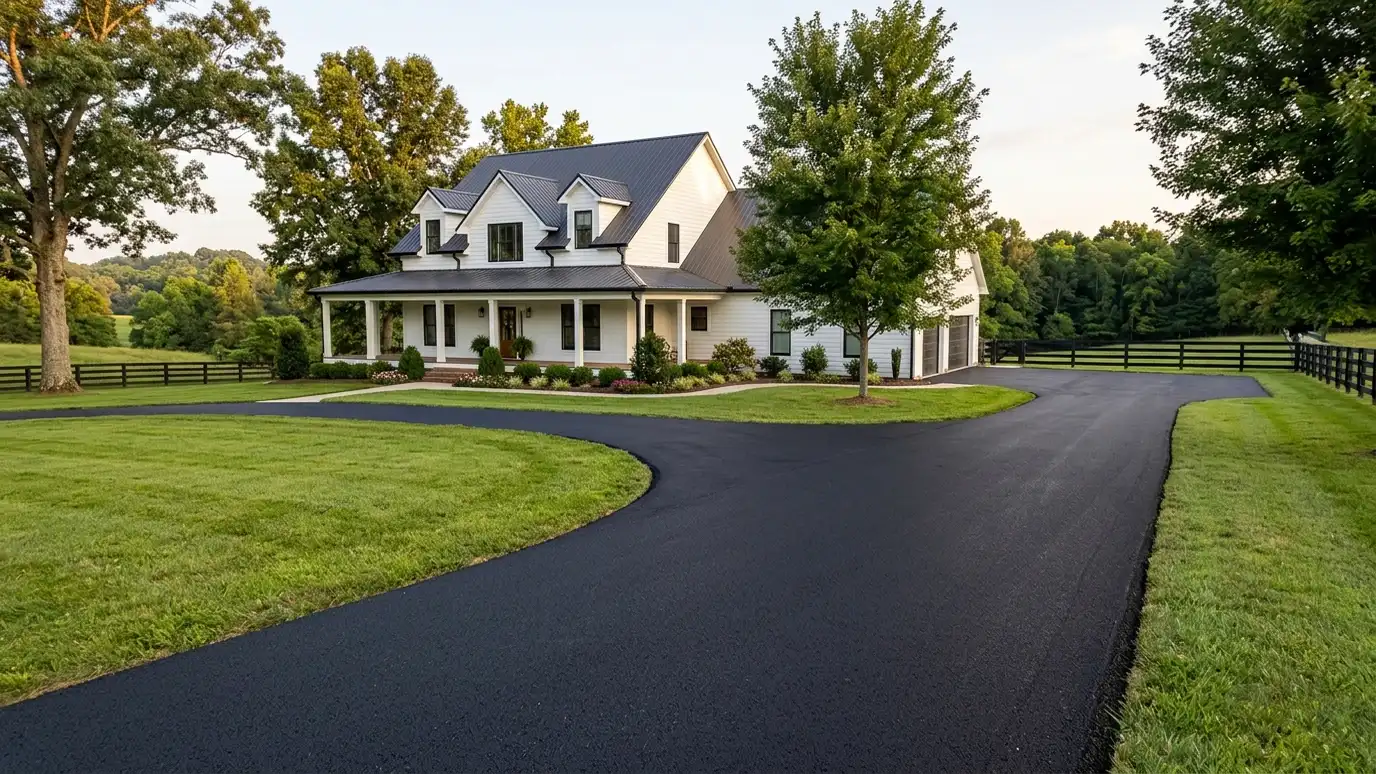 Asphalt finishFresh Black AsphaltDeep, uniform black with a tight surface: the crisp new-pavement look that makes landscaping and brick pop.Learn more
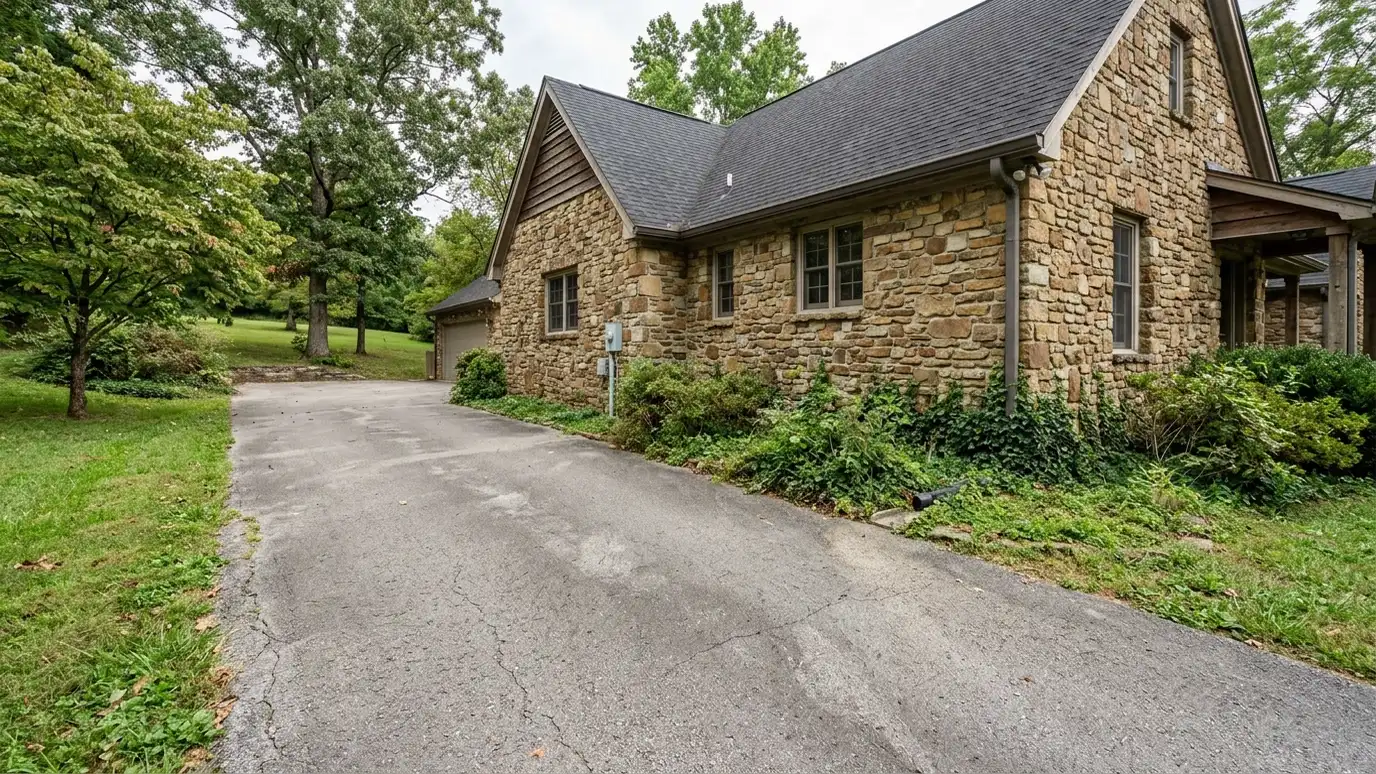 Asphalt finishAged Gray AsphaltWhat sun-faded gray asphalt tells you about its age, and what to do about it: sealcoat, repair or…Learn more
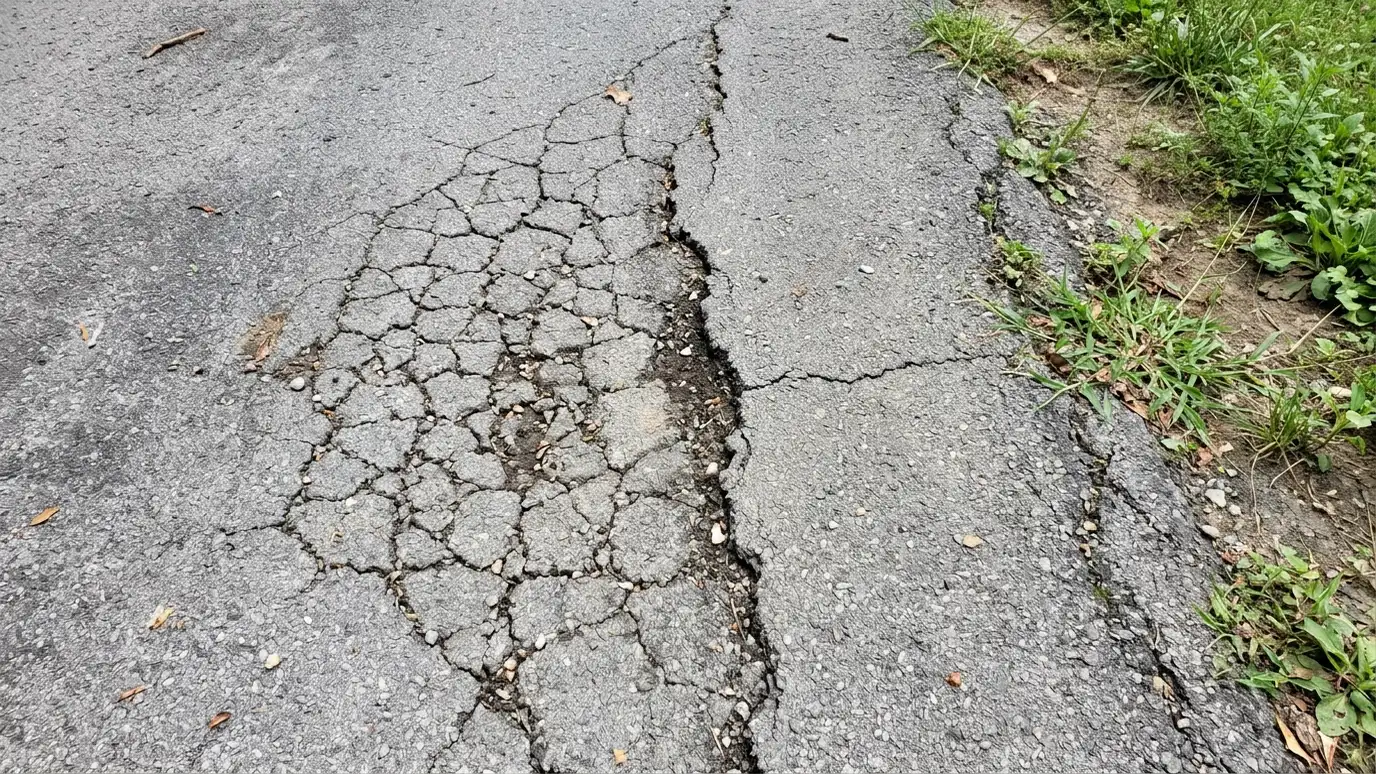 Topic guideCrack Types GuideHairline, linear, alligator, block, edge and slippage cracks explained: what causes each, how serious it is and how…Learn more
Pick a job, set the size and add extras to see a ballpark planning range for your asphalt project.
You tell us about your pavement and what you want to change, from a repair to a whole new lot, and we set a visit that fits your day.
We visit, measure, check slope, drainage and the existing base and talk through thickness, edges, borders and finishes.
We plan the layout and drainage and give you an itemized written estimate with options, so you can compare it with any other bid.
We remove old pavement, grade, correct drainage and build a compacted stone base.
Hot mix is placed and compacted, edges are finished and striping, borders or sealing are completed.
We walk the finished pavement with you, explain curing and care and leave the site clean.
Properly repaired cracks are less likely to. Very active cracks may still reflect in time.
Usually about an inch and a half to two inches of compacted asphalt.
Usually, yes, when the base is sound.
Slightly. We plan heights so water still drains away.
With care, many last well over a decade. It depends on the base and use.
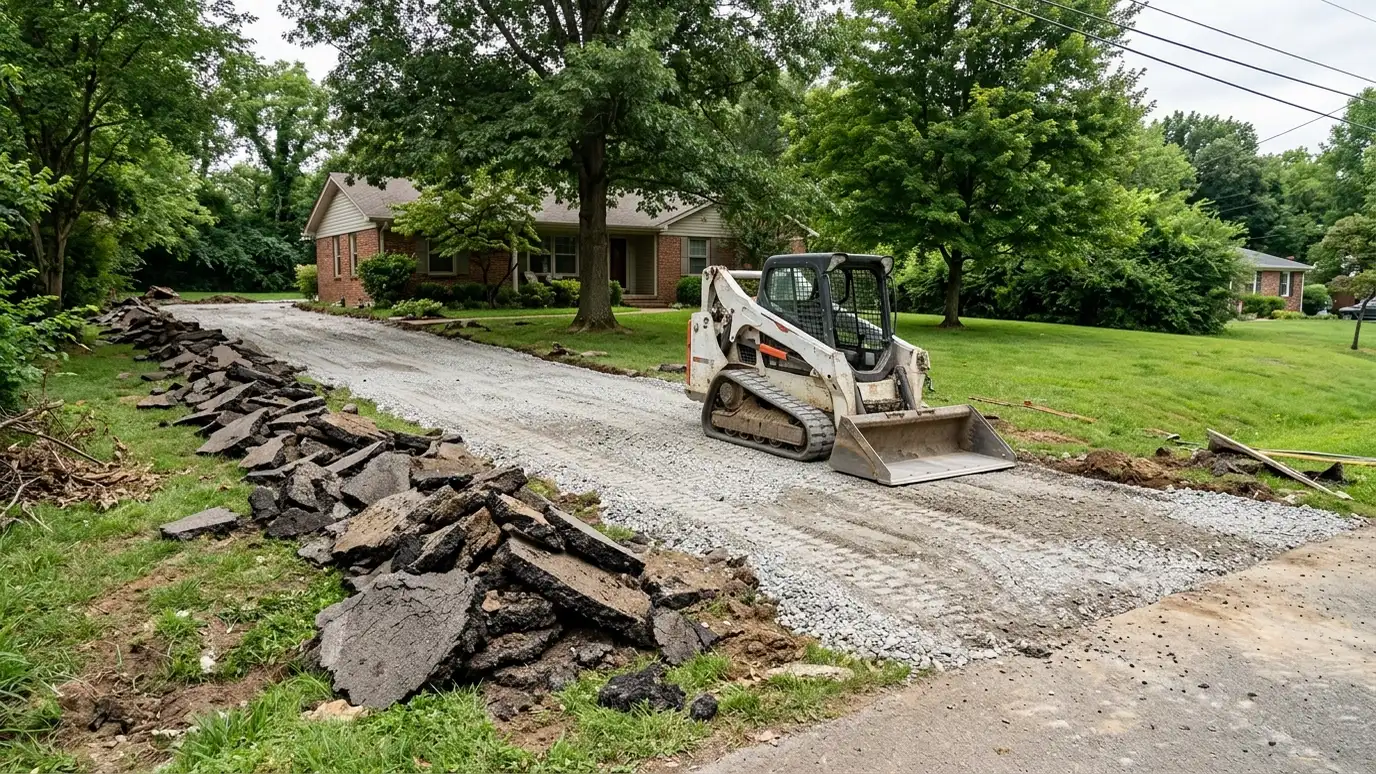 Driveway ReplacementRemoving a failing driveway down to a sound base or to the soil, correcting what went wrong and…Explore
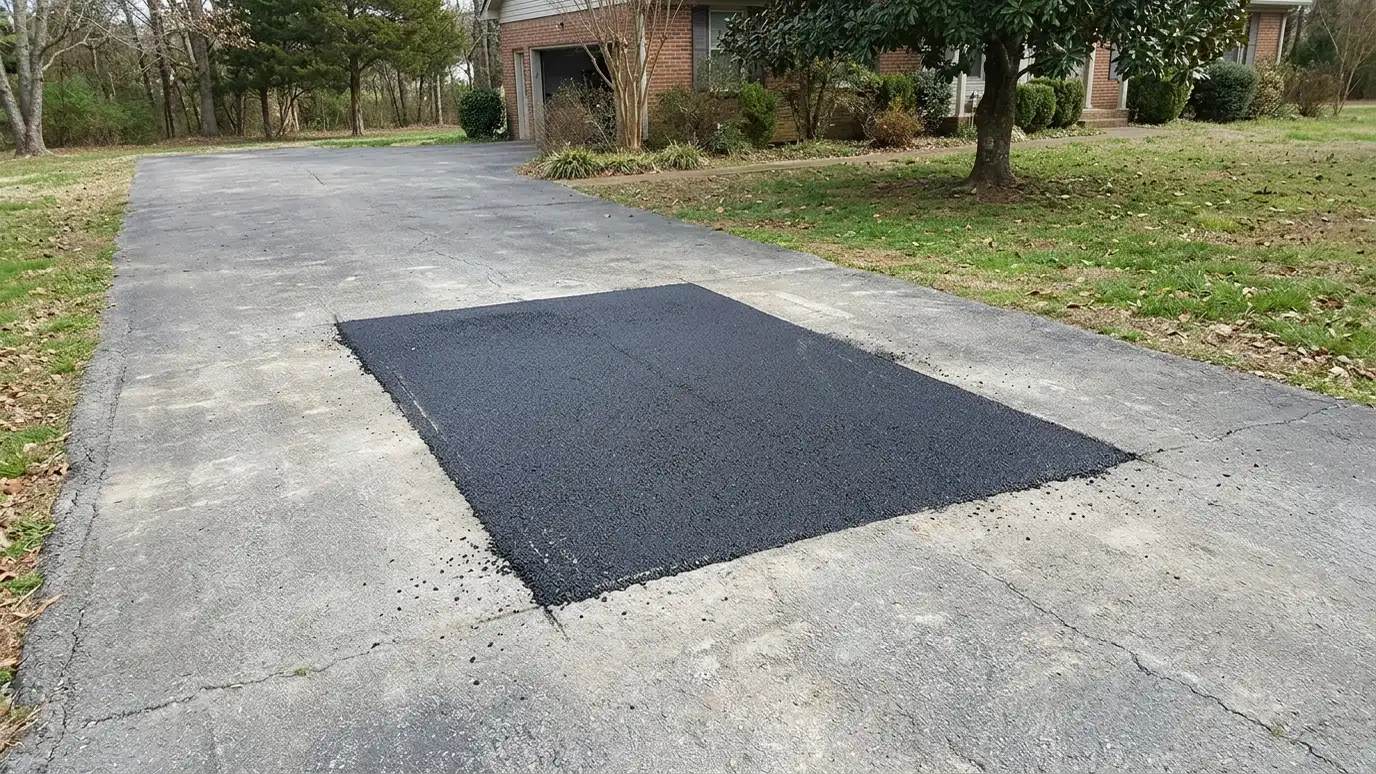 Asphalt PatchingPatches that last: squared-off, base-repaired and compacted, so repaired areas are flush and blend into the surrounding pavement.Explore
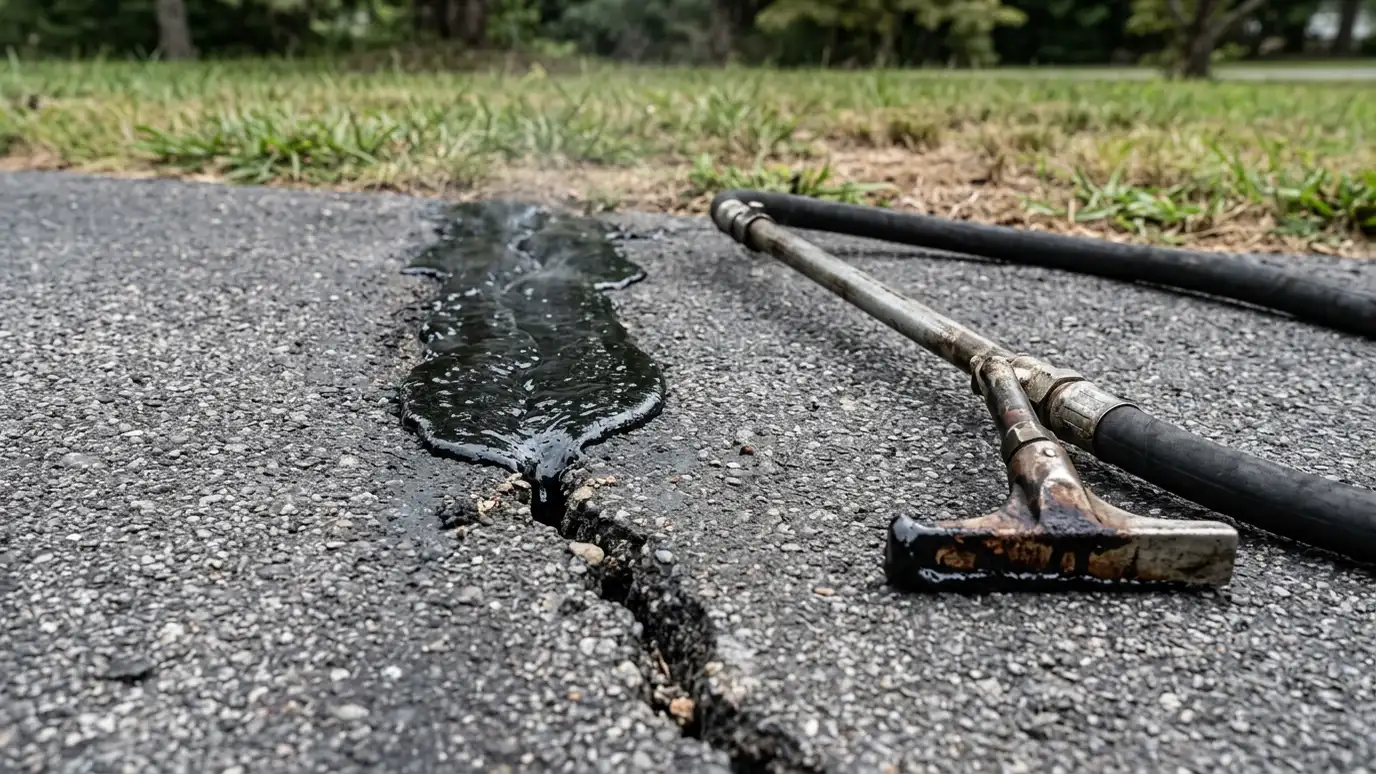 Crack SealingHot rubberized sealant that fills and seals cracks before water gets in and turns a hairline into a…Explore
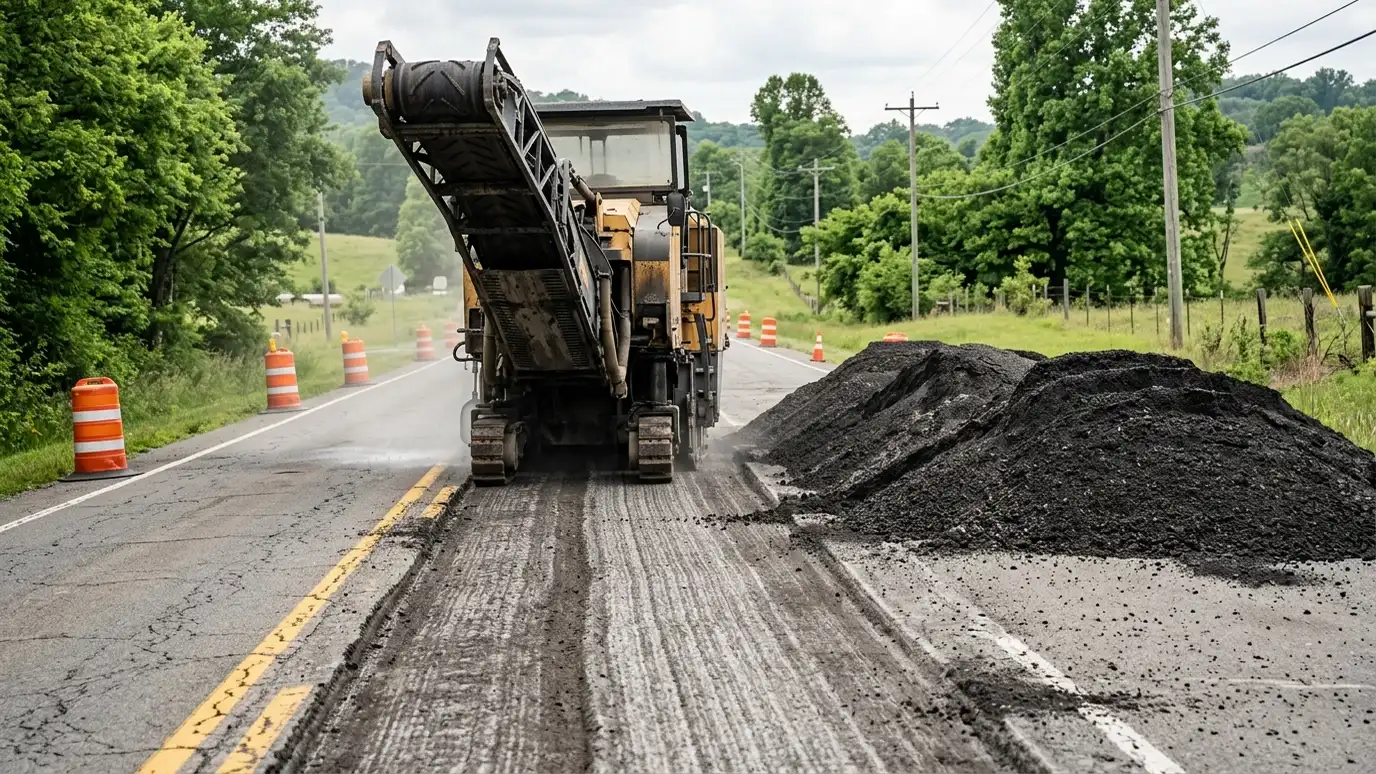 Asphalt Milling and GrindingRemoving the top layer of worn pavement to a precise depth so new asphalt can be placed without…Explore
Tell us about your project and we will call you back to set up a visit.
Or call (615) 357-7797 to talk now.