Why asphalt cracks
Asphalt ages in sun and weather. It expands in heat and shrinks in cold, and over time it becomes brittle and splits. Traffic loads flex it, and soil movement adds stress. Cracks are a natural sign of aging, not always a defect.
What matters is how fast they grow and what lets water in.
Sun and age dry out the binder that holds the stone together. That is why even well-built pavement shows fine cracks after several years, and why prompt sealing is the most economical way to extend its life. Fine hairline cracks are normal in aging asphalt and do not need alarm, only attention and a plan for sealing.
How cracks become potholes
Water enters through a crack, softens the base and freezes in winter, and traffic pounds the weakened pavement until it breaks. In Nashville, with its wet winters and frequent freezing and thawing, this cycle can turn a small crack into a pothole in one season.
Sealing cracks early breaks the cycle.
A pothole forms quickly in winter once water has a path into the base. A crack sealed in fall can prevent a pothole in January, which is why many owners schedule a yearly crack-sealing visit. Many owners are surprised how fast a small hole grows after a few cold nights, so it is worth acting on it in days, not months.
Reading the pattern
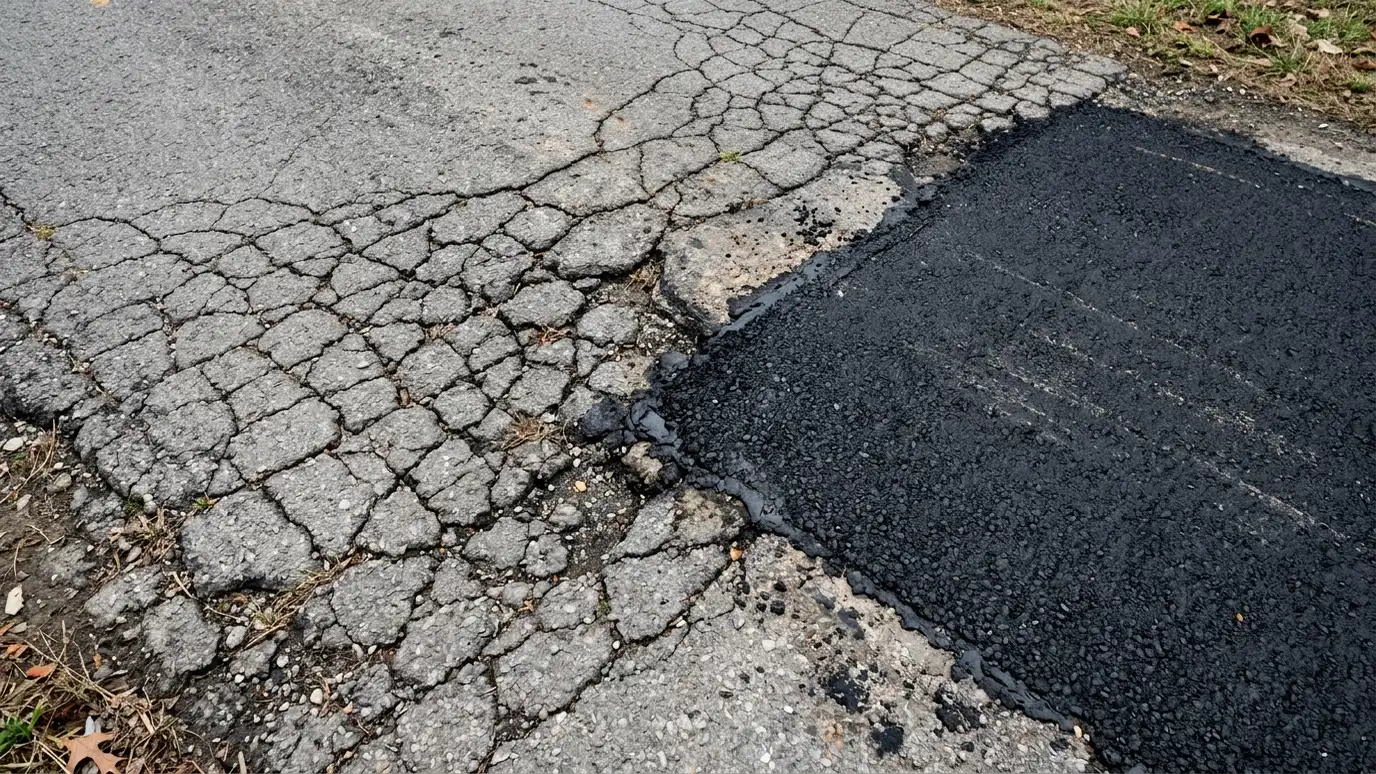
Hairline cracks are minor. Long straight cracks follow joints or temperature changes. A web of small connected cracks is alligator cracking and signals a failing base. Cracks near the edge point to missing support, and crescent-shaped cracks mean poor bonding.
Each pattern has its own cause and cure.
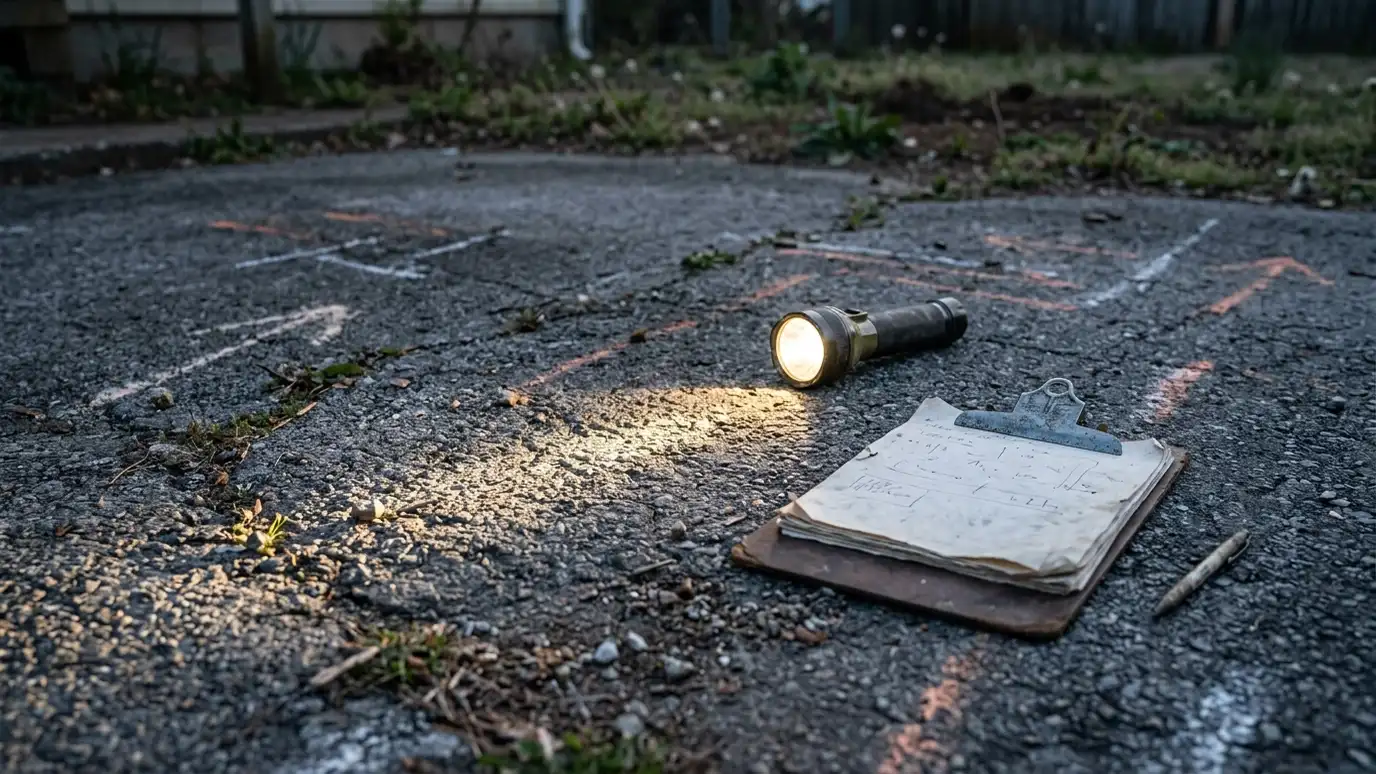
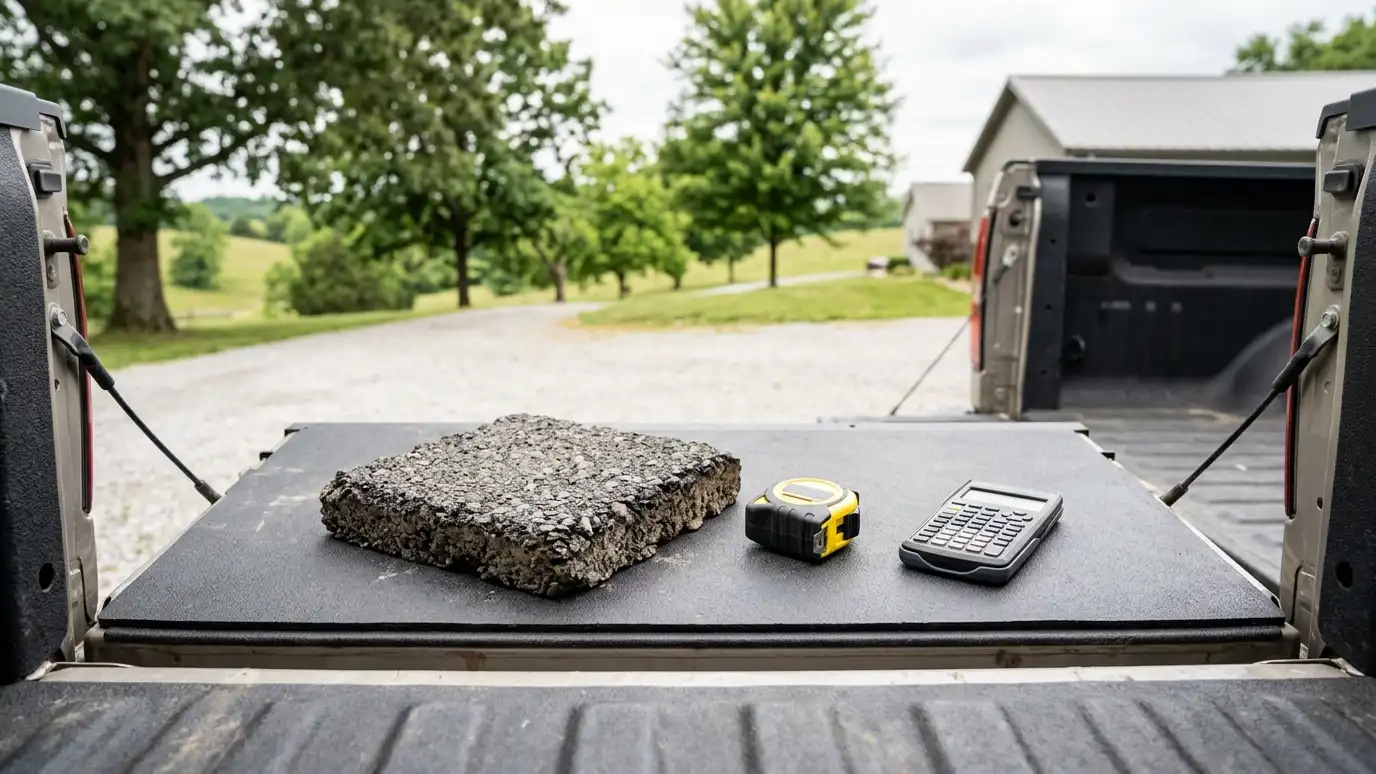
Cracks that look like alligator skin point to a base problem rather than a surface problem. Sealing them helps for a little while, but the lasting fix is to repair or replace the weak section. A photo with a coin or a ruler next to the crack helps you track whether it is growing from season to season.
Sealing cracks
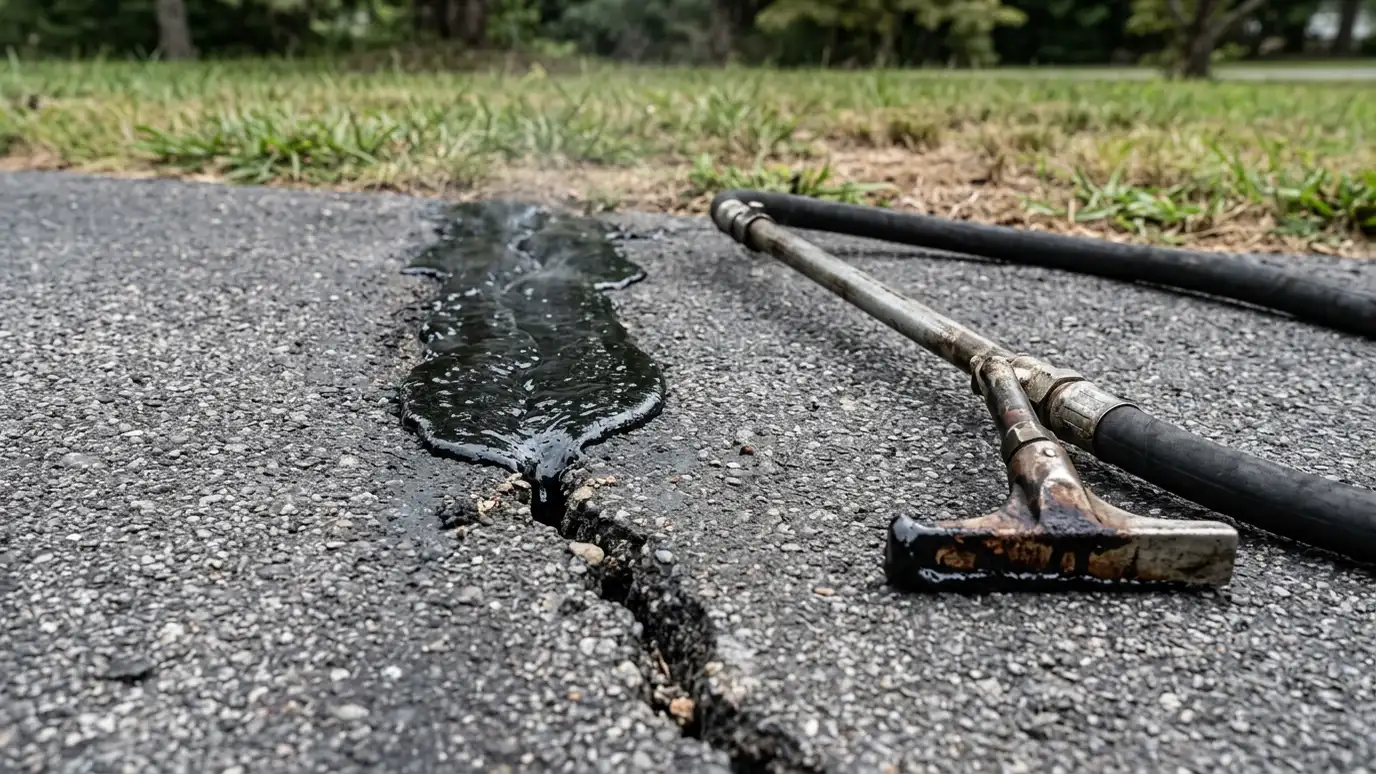
Cracks about a quarter inch or wider benefit from clean, dry hot rubberized sealant. It stays flexible and keeps water out. Dirt and moisture must be cleared first so the sealant bonds.
Seal in dry, mild weather and plan to repeat every few years.
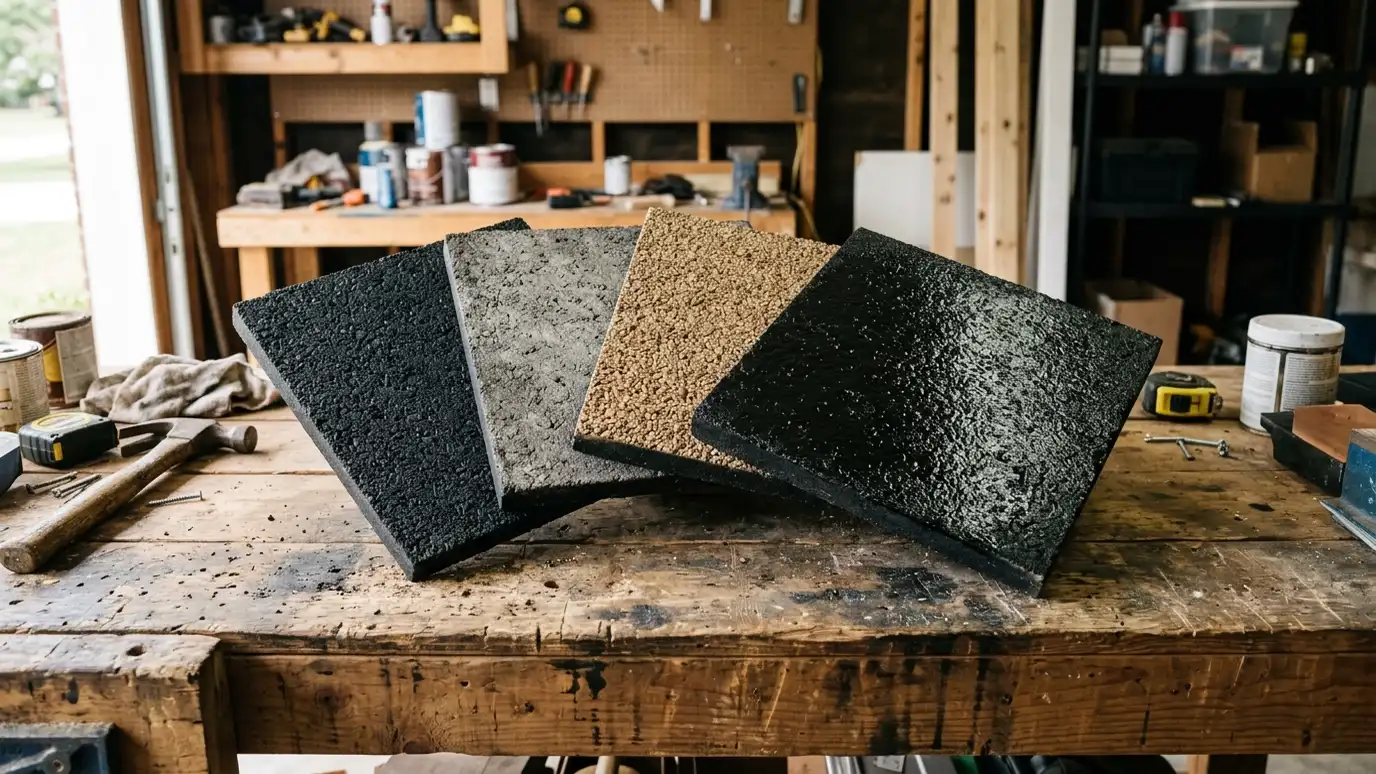
Hot rubberized sealant stays flexible through temperature swings and bonds better than cold pour products in wide cracks. Preparation, meaning routing, cleaning and drying, is what makes sealant last.
Repairing potholes the right way
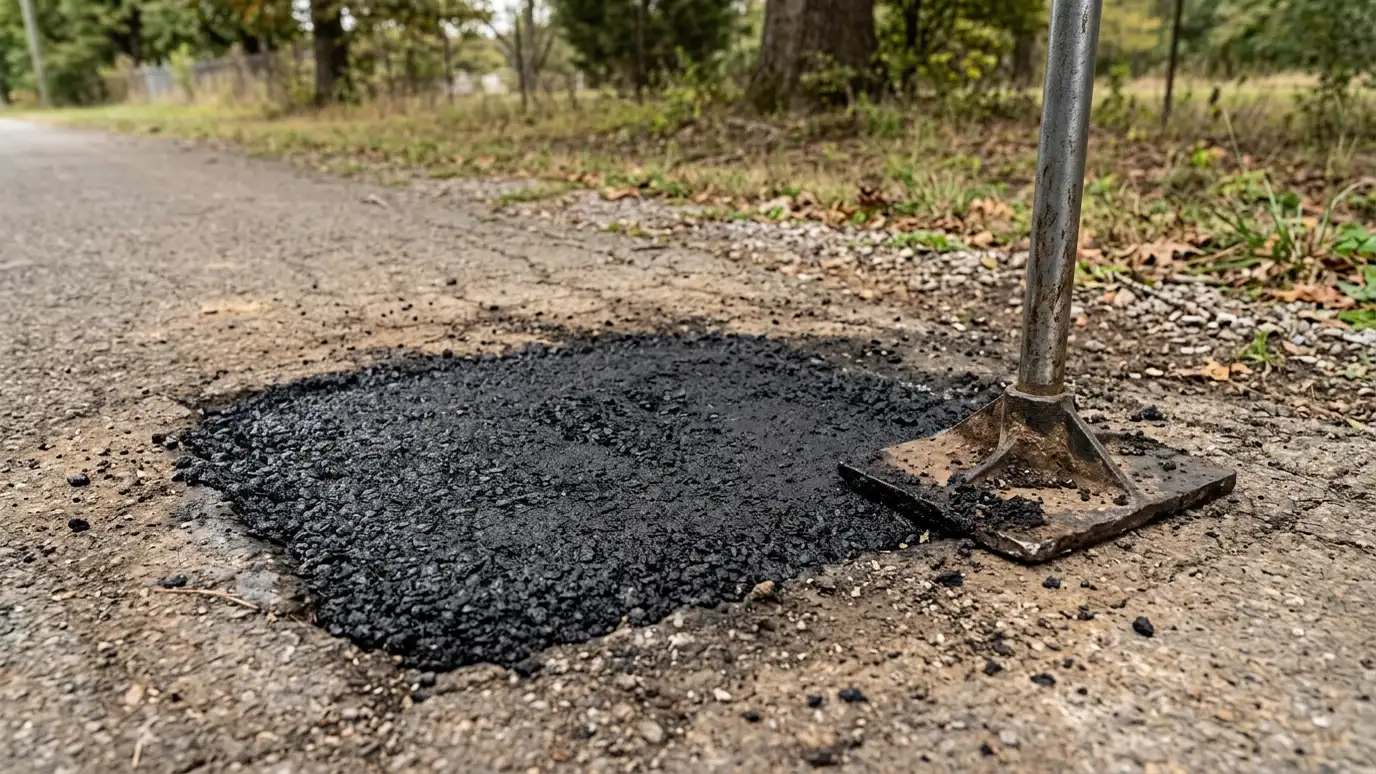
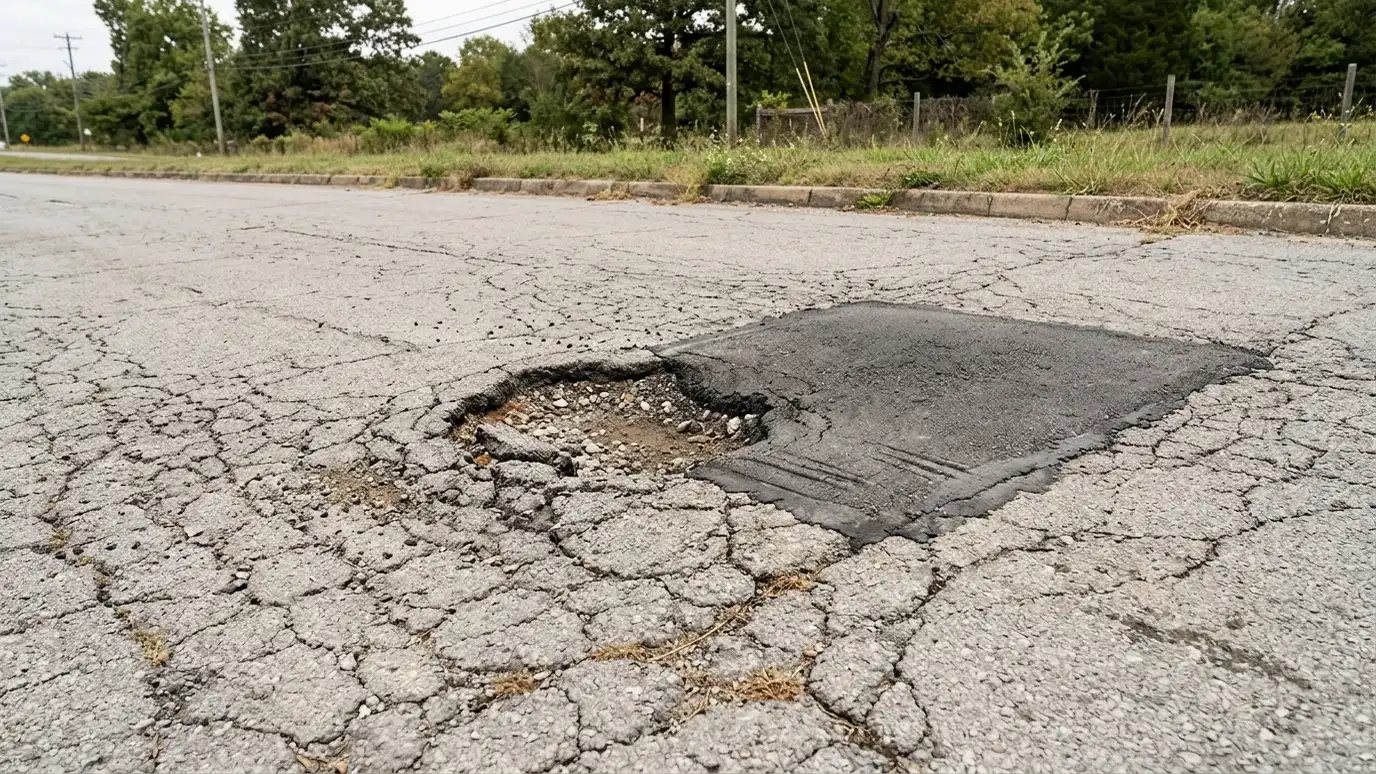
A pothole needs a clean cut, removal of loose material, a repaired base, hot mix compacted in lifts and sealed edges. A quick scoop of cold patch is only temporary.
Repairing the cause, often water, is as important as filling the hole.
Cold patch from a bucket is a temporary fix. A lasting pothole repair removes the weak material, repairs the base underneath and places hot mix that is compacted flush with the surrounding pavement.
When it is more than a patch
Widespread cracking, sinking wheel paths and repeated failures mean the base has failed. Full-depth repair or replacement is more cost-effective than patching again and again.
We tell you honestly when patches will not hold.
Ask your contractor to show you the base under a failed area. If the stone is wet, muddy or missing, the repair must reach down to correct it, or the same hole will return within a season or two. Ask for photos before and after the repair, so you can see what was found and what was done.
Preventing the next one
Seal cracks early, keep water off the pavement, fix drainage and refresh the surface with sealcoat when it ages. A short annual walk-around catches small problems.
A small, steady effort beats an expensive emergency.
Keeping a simple log of cracks and repairs with dates and photos helps you notice patterns, such as a spot that keeps failing near a downspout, and gives your contractor useful clues about the cause.
Seal cracks early, repair potholes down to the base and fix the water problem that caused them.