Why there is no single price
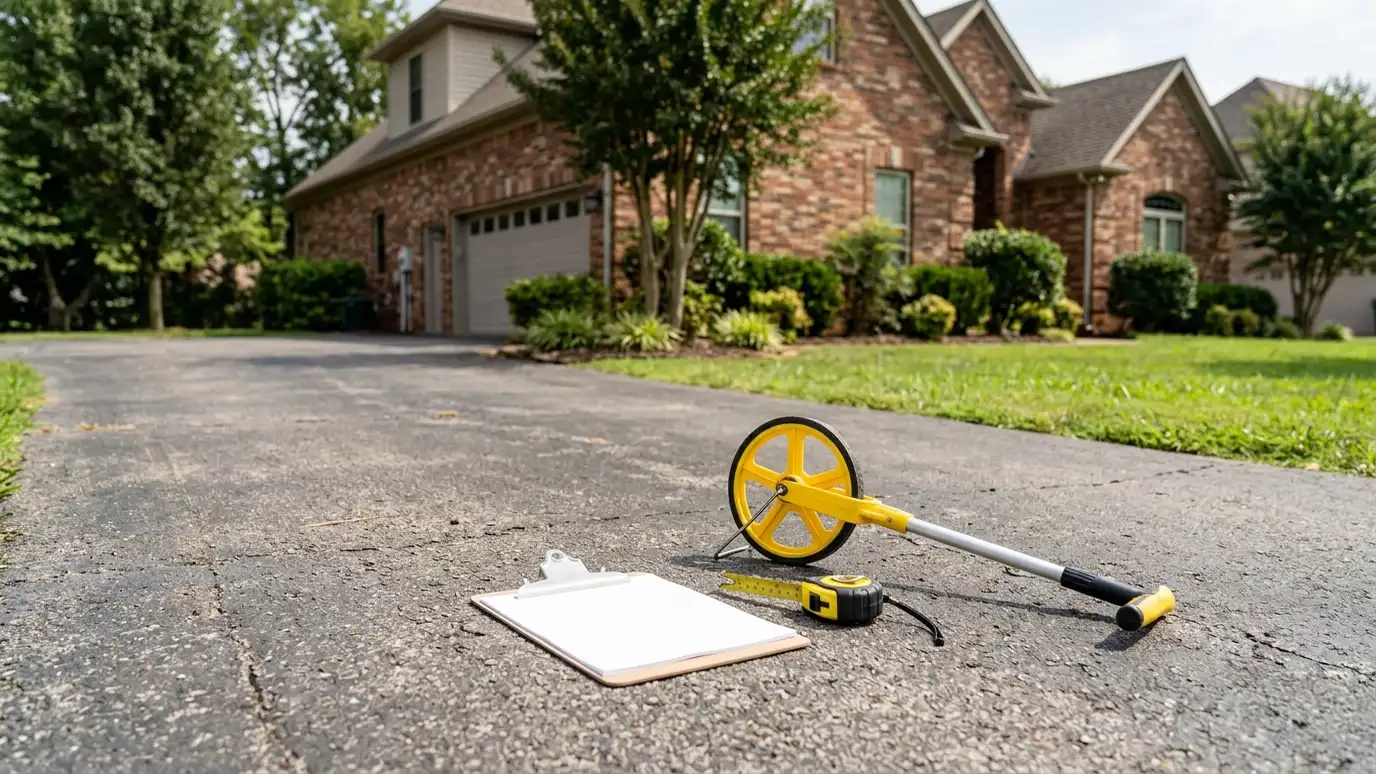
Two driveways of the same size can cost very different amounts because asphalt pricing follows the site, the thickness and the work around it, not just the square footage. A flat, open lot with good access is a different project from a steep, curved drive with poor soil and a long haul. Prices you see online are averages across very different jobs, which is why they rarely match your own.
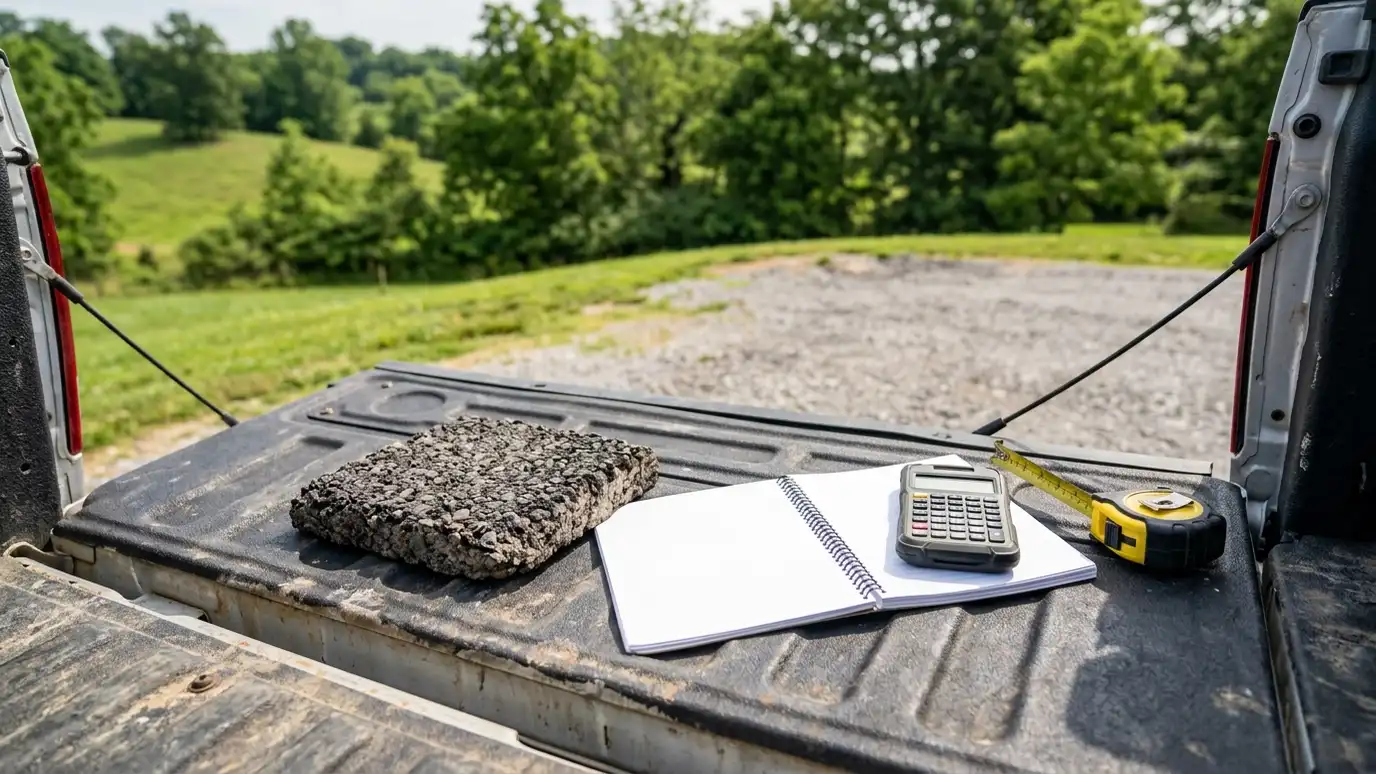
The more useful question is what the project includes. Once area, thickness, base and extras are written down, any contractor can price the same list and you can see where the money goes.
Area and thickness
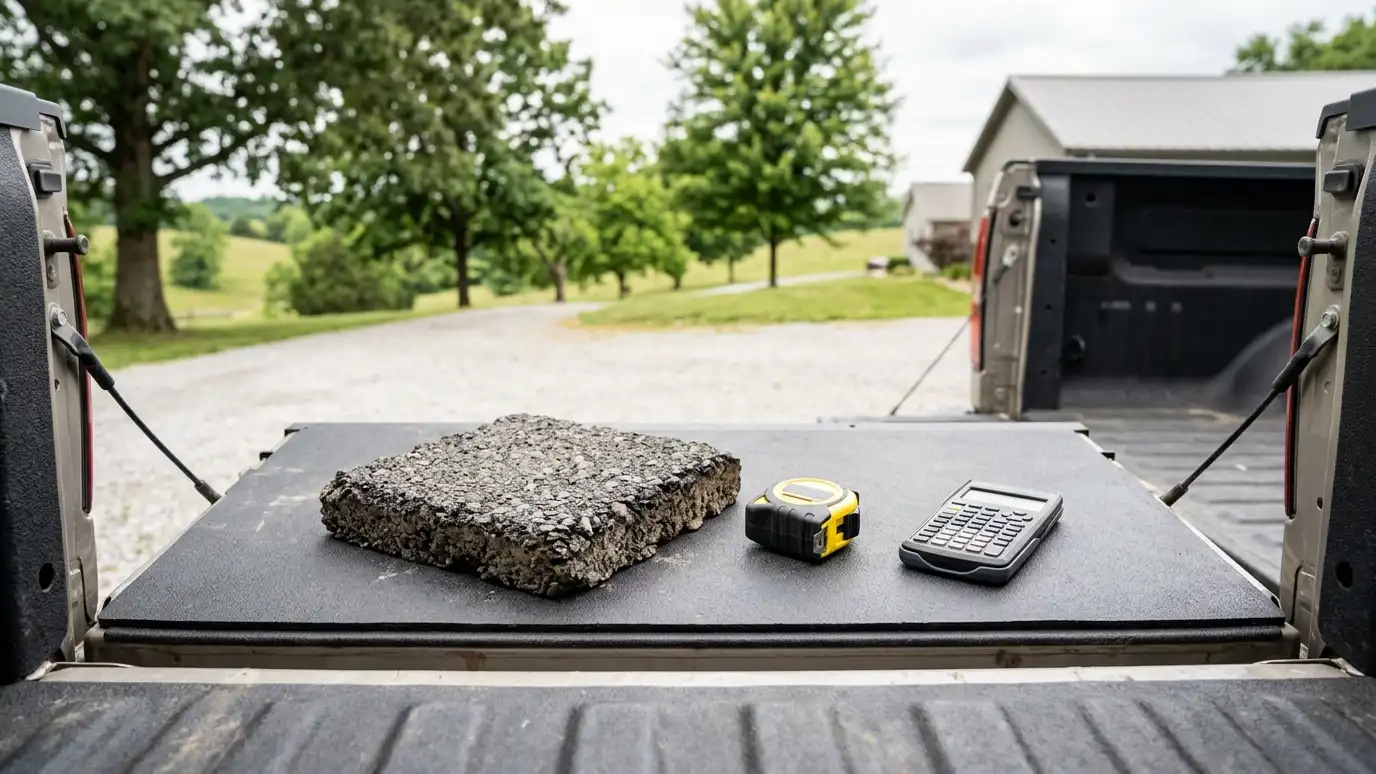
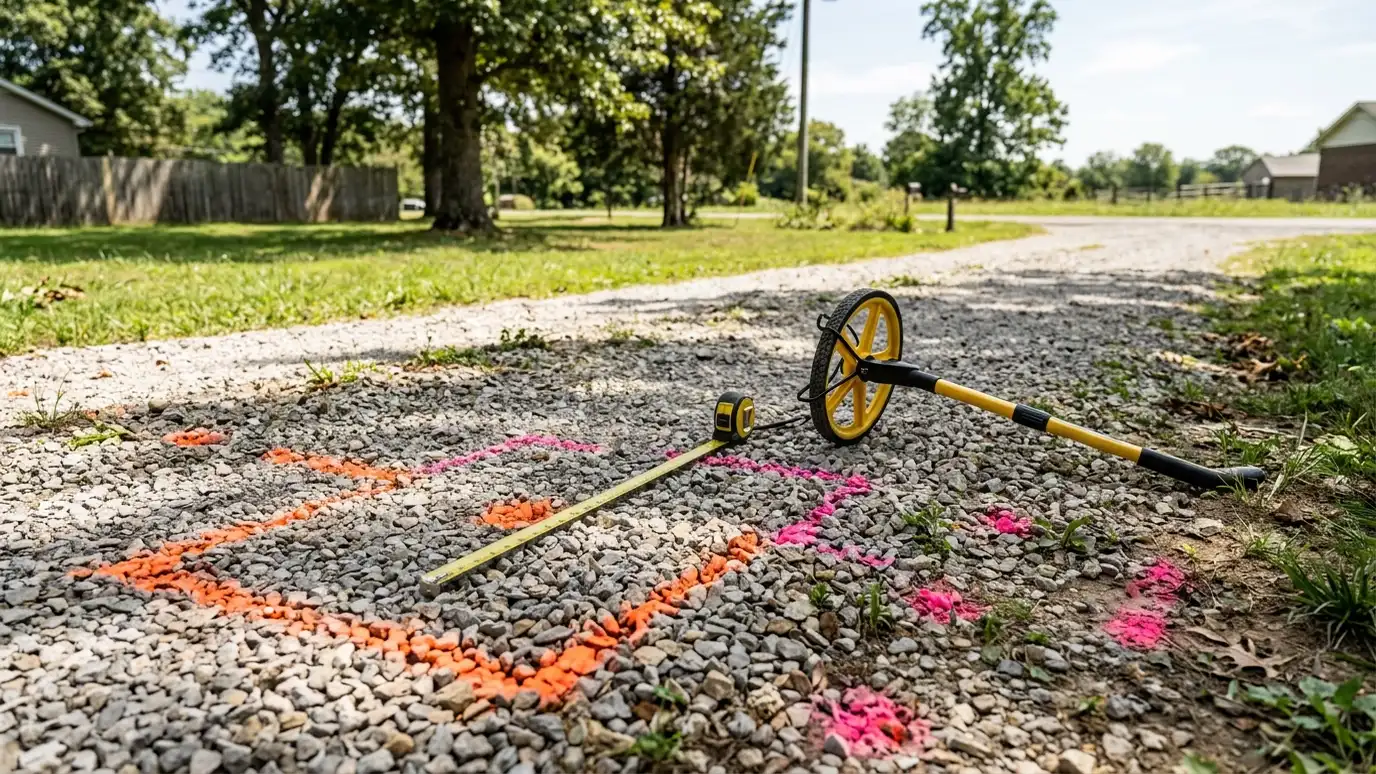
The biggest driver is how much asphalt goes down. Area times thickness gives volume, and volume converts to tons. Going from two inches to three inches adds about half again as much material, and heavier traffic usually calls for more. Our tonnage tool shows how thickness changes the quantity.
Thin pavement can look like a bargain, but it often fails early. The right thickness is the one that matches the traffic, not the lowest number on a quote.
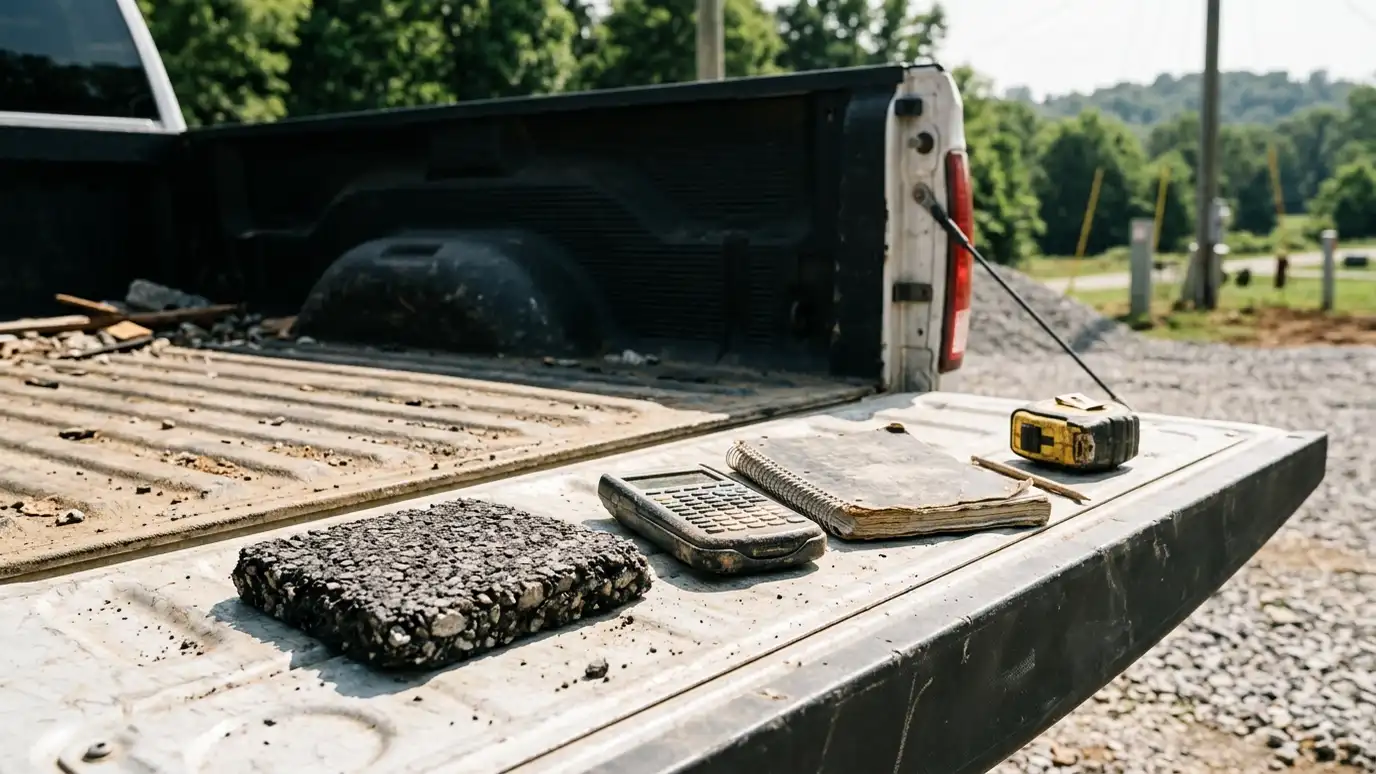
Thickness is also where some low quotes hide. A driveway paved at one and a half inches instead of two or more may look the same on day one and wear out years sooner, so ask for the compacted thickness in writing and confirm it with a simple depth check during paving.
Base and soil
Beneath the asphalt, the stone base and soil decide how long the pavement lasts. Soft clay, old fill and wet spots add stone, fabric or excavation to the job. A site with a solid existing base costs less to prepare than one that needs to be rebuilt.
A fair estimate should say how much stone is included and how deep. If two quotes differ widely, base work is often the reason.
Removal, grading and drainage
Tearing out old pavement, hauling it away, regrading and adding drainage are separate line items that casual comparisons often leave out. In Nashville’s hilly neighborhoods, regrading and drainage can be a significant part of a driveway job.
Ask each contractor to list these steps. A quote that omits removal or drainage can look lower, but you will pay for those steps later or live with the consequences.
Access, size and timing
Tight access, long hauls from the plant, hand work around obstacles and small jobs that cannot use large equipment all raise the cost per square foot. Larger, open areas pave more efficiently. Material and fuel prices also shift through the year.
Scheduling can matter too. Booking in a slower season or combining a repair with neighboring work sometimes helps. We tell you what is flexible.
Where to spend and where to save
Spend on what you cannot see: a solid base, correct thickness, good drainage and proper compaction. Save by keeping the layout simple, avoiding unnecessary extras and phasing work across seasons when that makes sense.
An overlay on sound pavement often costs far less than replacement. A sealcoat on pavement that is still healthy costs less still. Honest evaluation beats guessing.
A useful habit is to separate the price into repair-now items and wish-list items. That way you can decide on a border, a tint or a wider apron after you know what the structural work costs, instead of letting extras crowd out the base.
How to compare quotes fairly
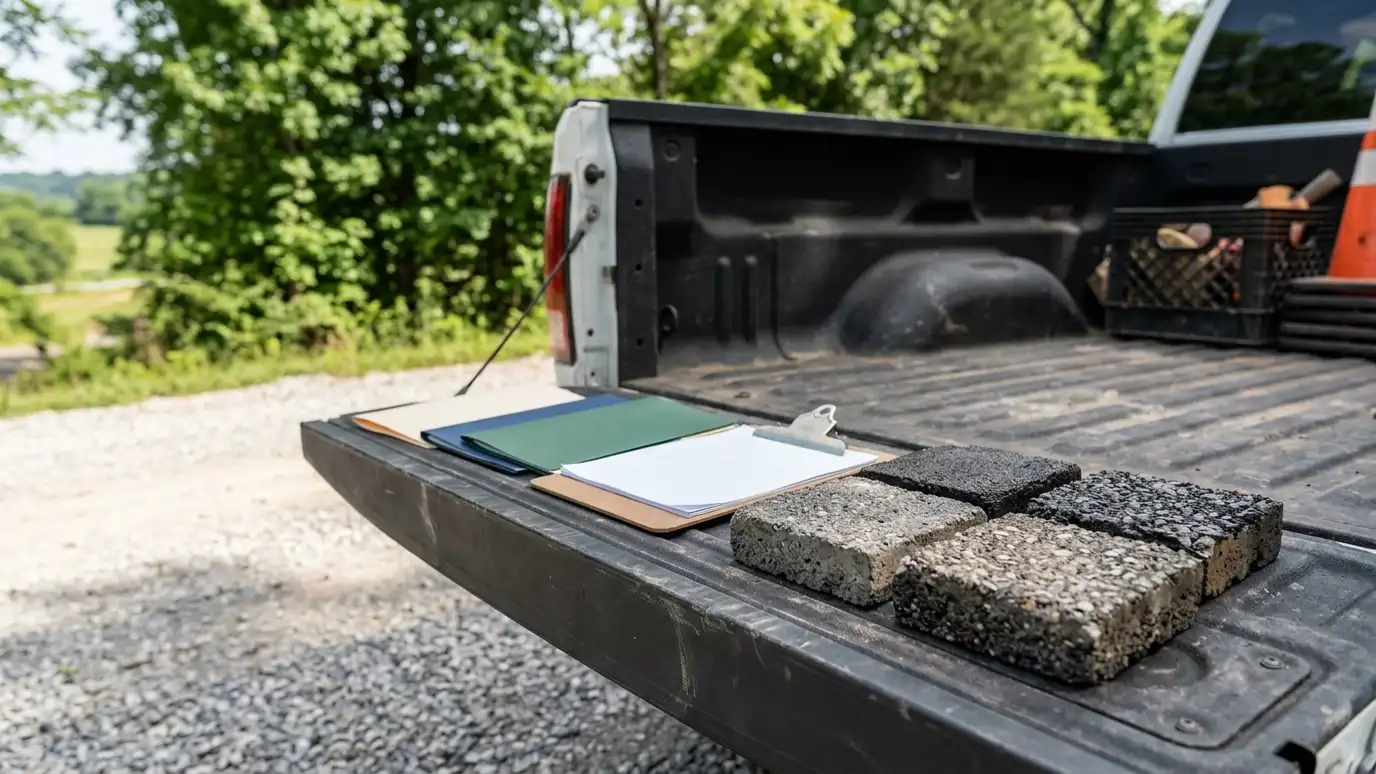
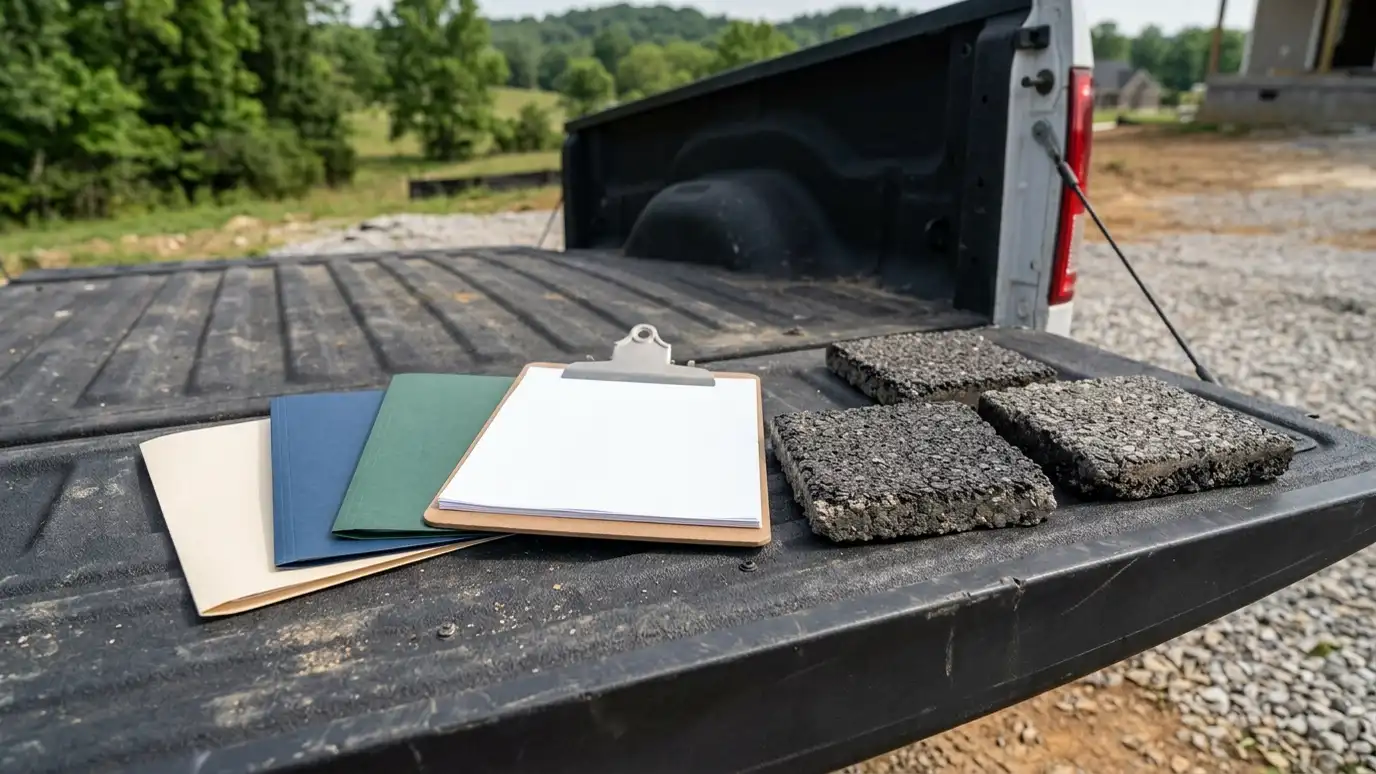
Ask each contractor to price the same area, thickness, base depth, removal and extras, and to state what is included. Look for details on grading, compaction, cleanup and payment terms. A very low quote may leave something out or assume a thinner section than you expect.
Check how long the quote is held and what happens if conditions change after work begins. Clear answers are a good sign.
Decide the scope first, price the same written list with every contractor and make sure base, thickness and drainage are on it.