Why a plan works
Pavement problems start small and grow quickly. A plan with dates and budgets turns maintenance into a habit rather than an emergency. It also helps owners and boards justify spending.
Even a one-page plan makes a difference.
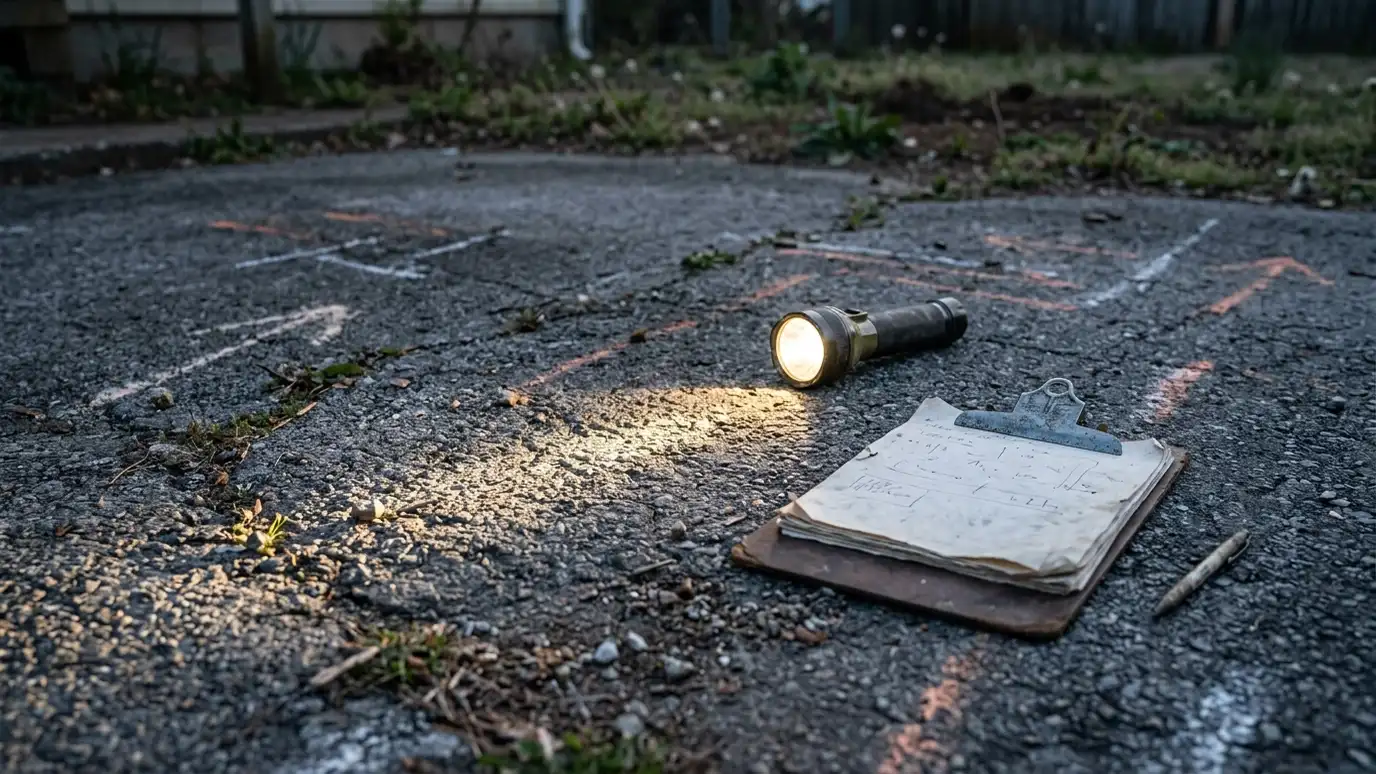
The best plans are simple enough to follow. A one-page calendar with seasonal tasks, a photo log and a small yearly budget will do more than a long list that no one reads. Put the first reminder on your calendar the day the pavement is finished, so it does not slip by.
Year one
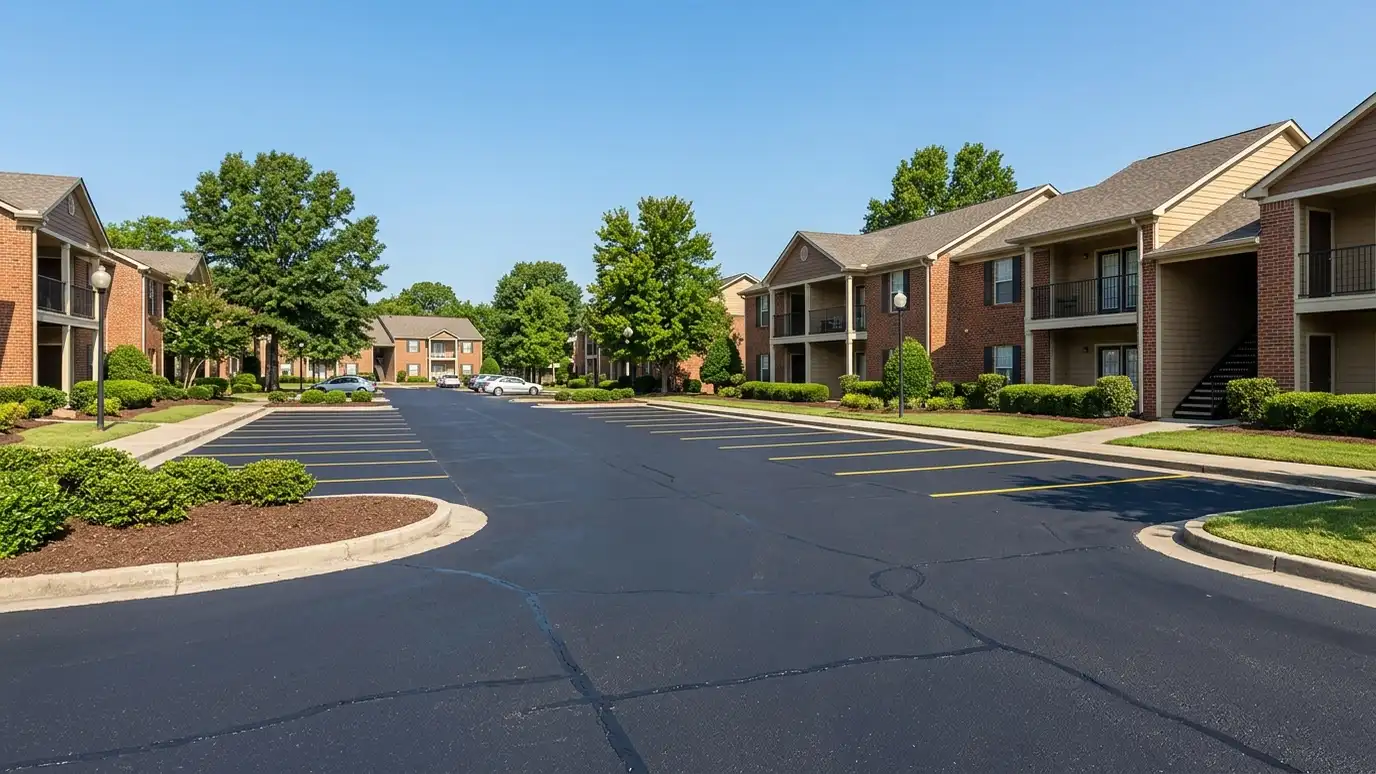
After paving, keep vehicles off at first, protect the edges and watch drainage. At six months to a year, schedule the first sealcoat if the surface has cured.
Take photos of the new pavement for comparison later.
Early attention pays. Crack sealing and drainage fixes in the first years prevent the water damage that makes later repairs larger and more expensive. A photo of the pavement after paving makes a great starting point, since you can compare later photos with it and see how things change.
Years two to five
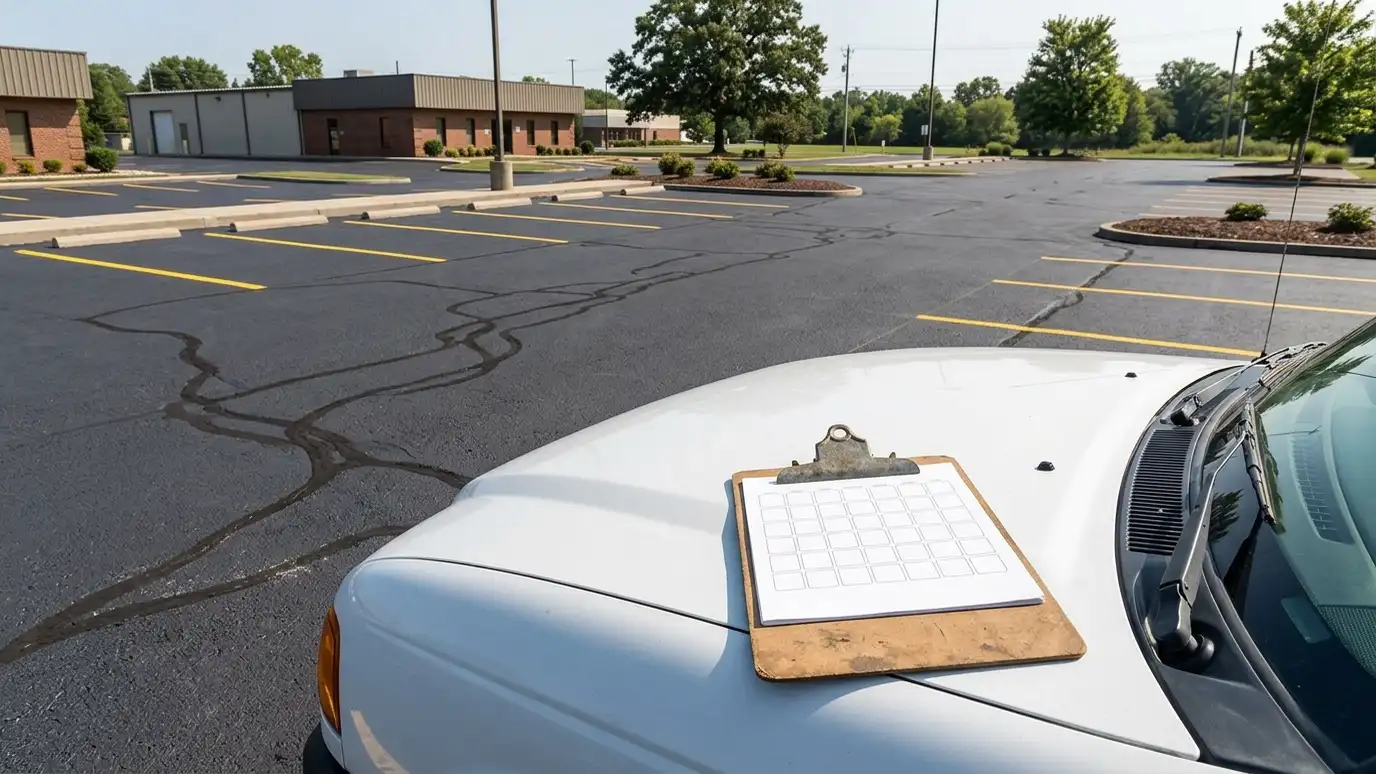
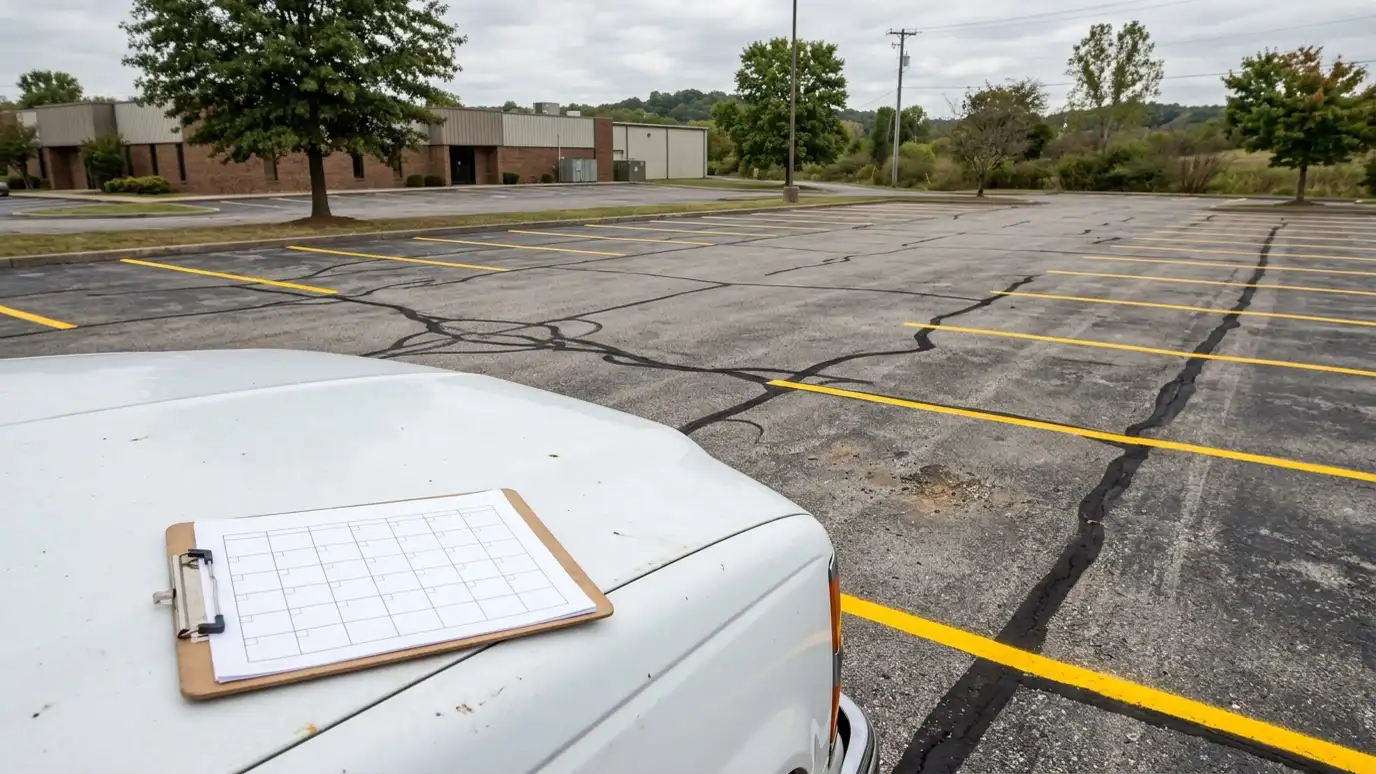
Walk the pavement every spring. Seal new cracks as they appear and patch small failures. Repeat sealcoating every two to four years, and restripe lots as lines fade.
Keep gutters and drains clear.
In the middle years, the pavement ages in the sun and starts to show wear. A fresh seal coat and careful crack sealing can reset the clock before structural problems begin. A seasonal walk, with a phone camera and a short list, takes about ten minutes and is the most useful habit on this page.
Years six to ten
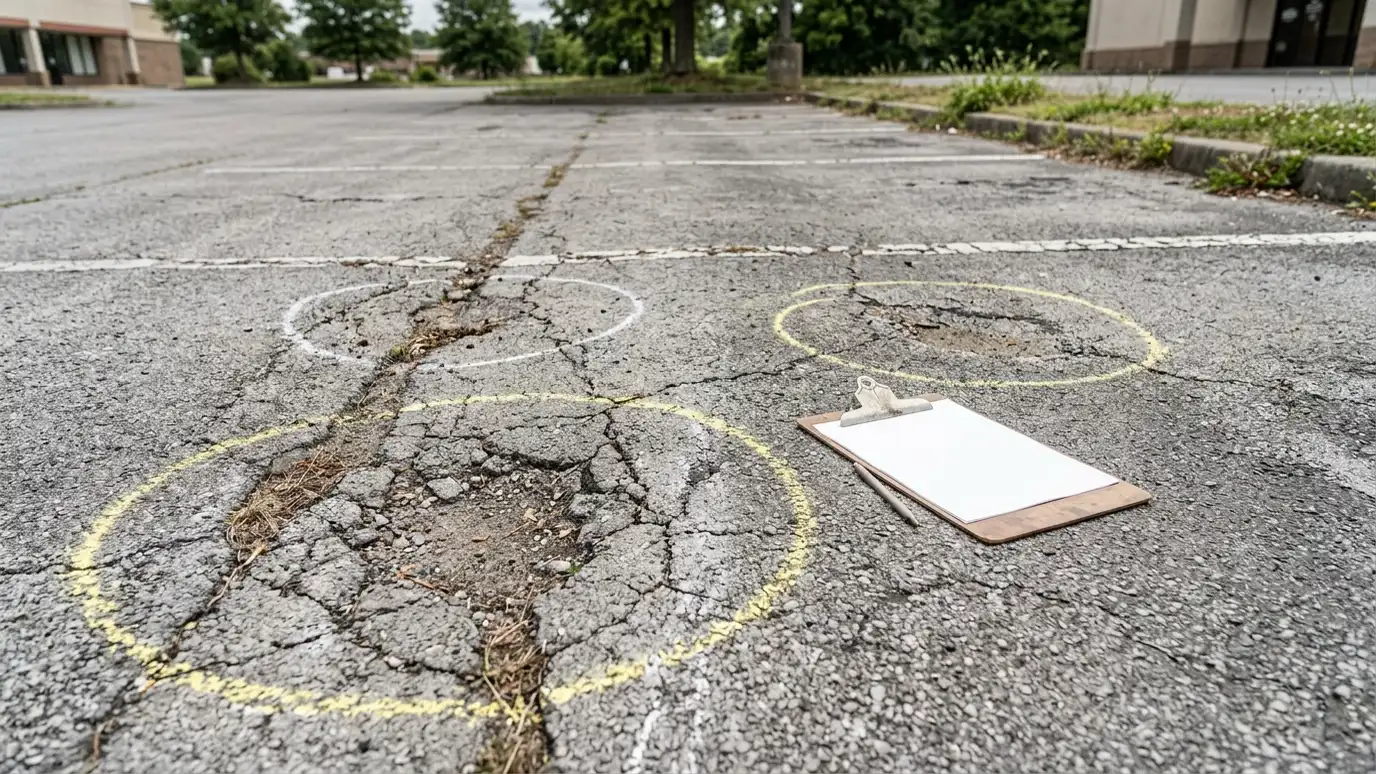
Pavement shows its age. Expect more cracks and some raveling. Rejuvenators, crack sealing and sealcoating extend life, and small areas may need full-depth repair.
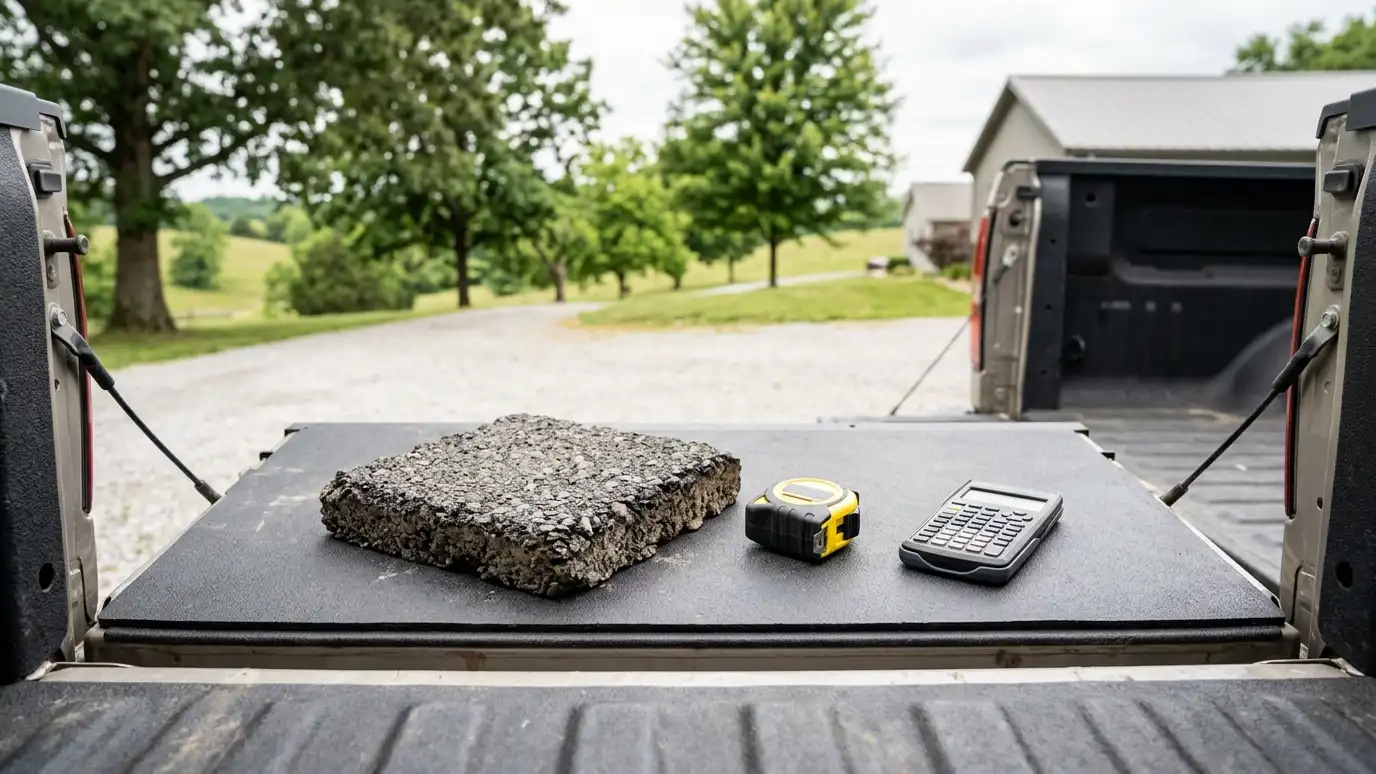
Start tracking condition so you know when an overlay may be needed.
As pavement approaches its second decade, an overlay or targeted repair is often the most cost-effective choice, provided the base is still sound. A professional assessment tells you which path fits. If you plan to sell or transfer the property, a documented maintenance history is a quiet selling point.
Years ten to twenty
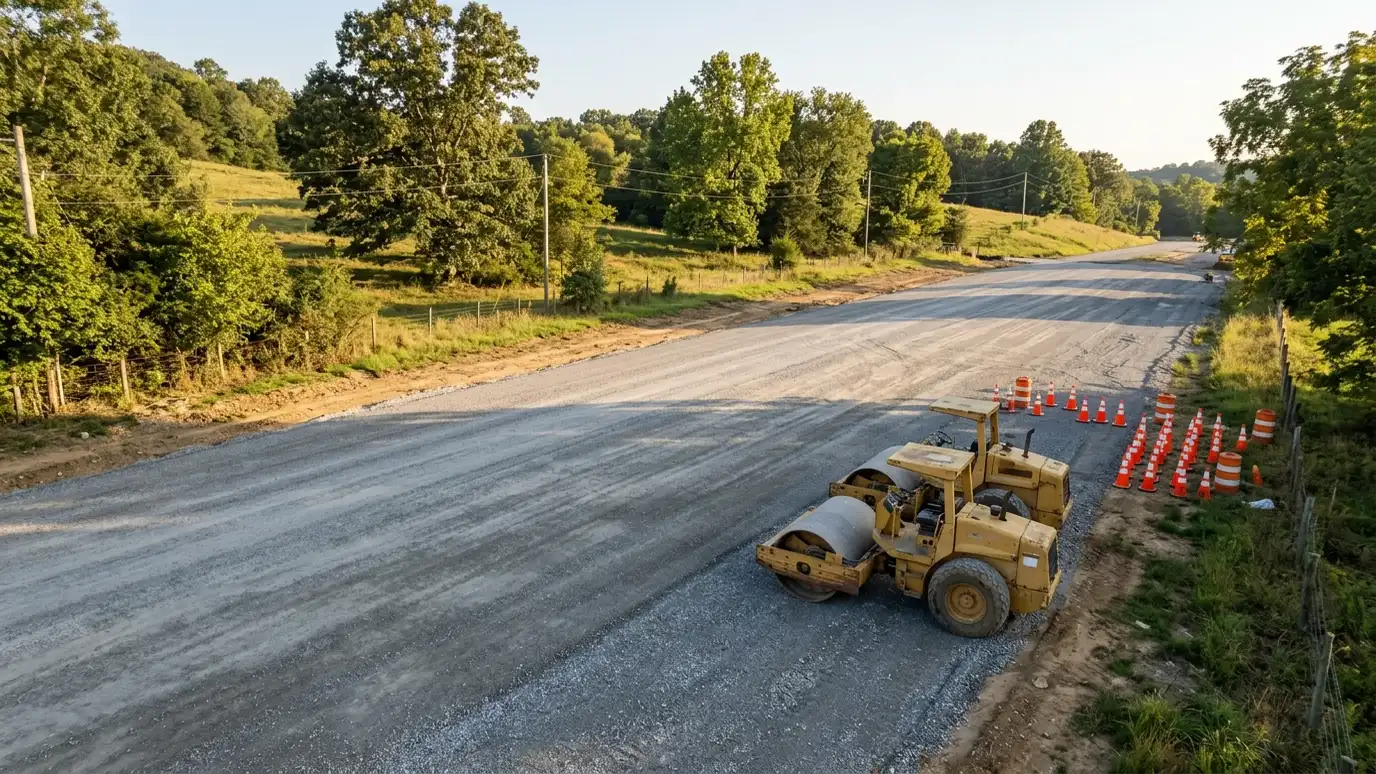
Many driveways and lots need an overlay or major repair in this period, depending on use and care. A condition assessment shows what to do and when.
Planning gives you time to save and compare options.
Set aside a small amount each year rather than waiting for a single large bill. Even a modest reserve makes repairs and resurfacing far easier to schedule when the time comes. Treat the budget like insurance on a large asset. A small, steady amount is easier to carry than a surprise bill.
Budgeting
Spread costs across years. A modest annual amount for crack sealing and periodic sealcoating costs far less than an unplanned replacement. Phase work on larger properties.
We provide approximate costs for every item in your plan.
Written programs are especially helpful for churches, HOAs and property managers, where several people share responsibility. A clear schedule and a single contact keep everyone aligned. Churches and associations often find that a written program makes budget decisions easier for volunteers and boards.
Getting help
We offer written maintenance programs for homes, churches, HOAs and property managers, with reminders before each stage. You can also use our condition and budget tools to get started.
A Free Estimate includes a quick review of where your pavement stands.
Keep records of what was done and when, including receipts and photographs. They help you plan, help new managers take over smoothly and help you compare contractors fairly. When a new contractor or manager takes over, a binder or shared folder with the history saves hours of guessing.
Walk the pavement each spring, seal cracks early, sealcoat every few years and plan an overlay before the surface fails.