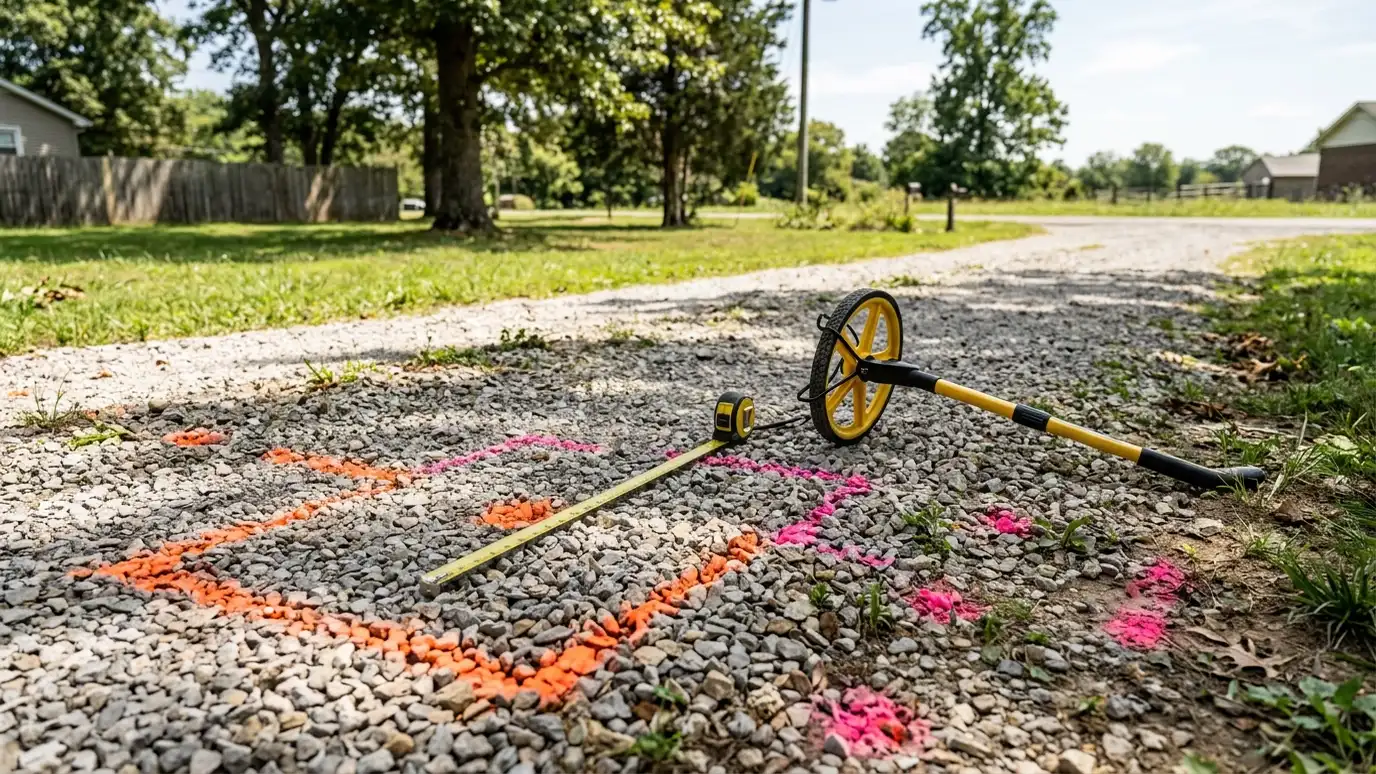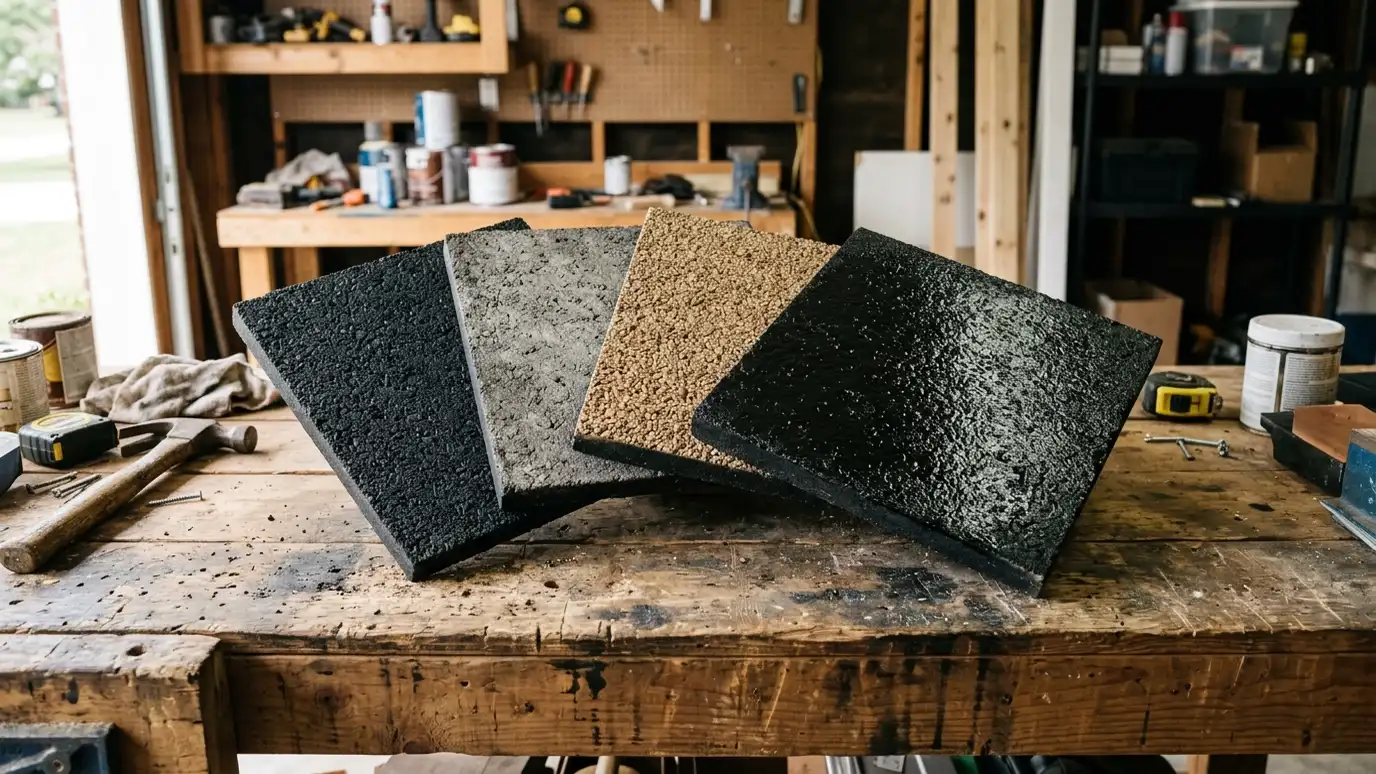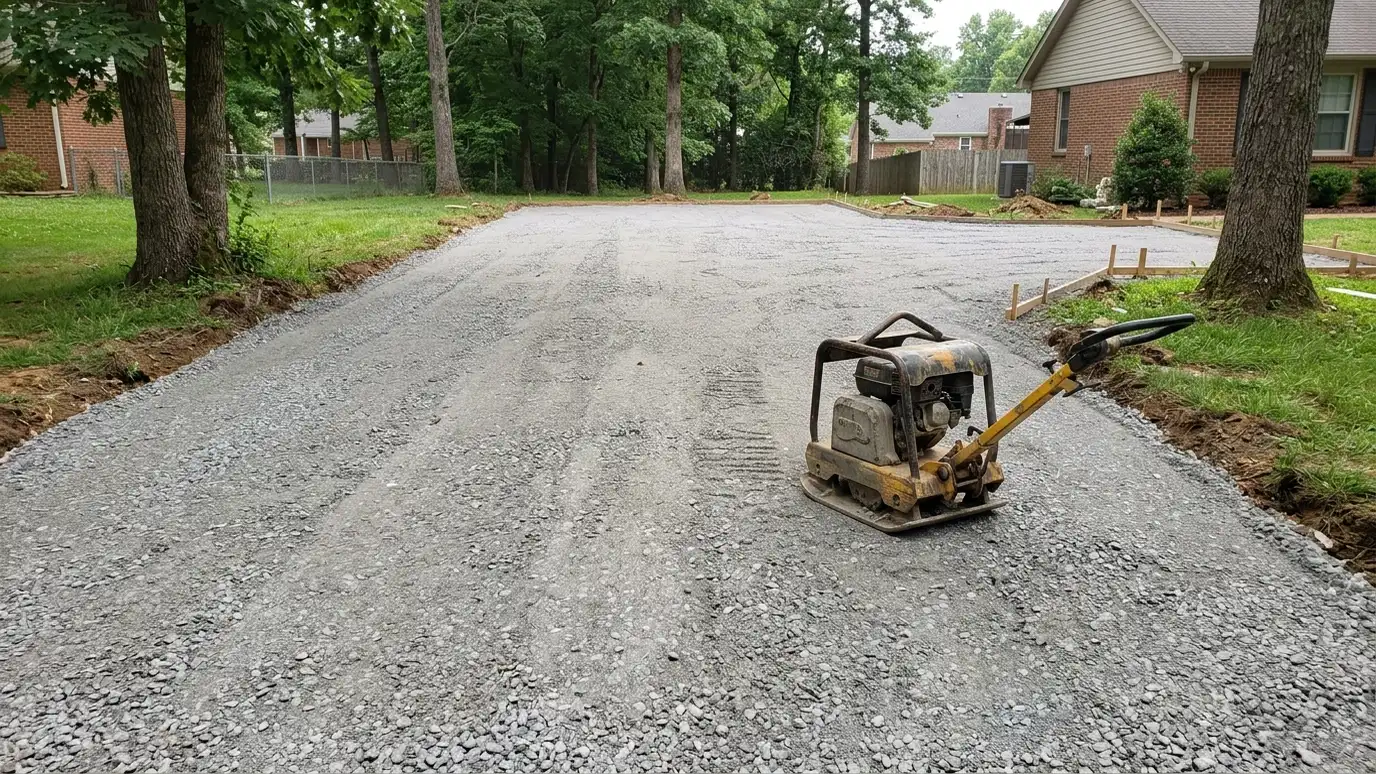
The hidden half of every paving job: compacted crushed stone laid in lifts over a stable subgrade so asphalt does not crack or sink.
Asphalt is only as strong as what is underneath it. A thin or poorly compacted base is the leading reason new pavement cracks, ruts and sinks in the first few years. In Nashville, clay soils swell when wet and shrink when dry, which makes a well-built base even more important. You never see the stone once the asphalt goes down, but it carries every load and decides how long the surface lasts.
We prepare the subgrade by removing organic material and soft spots, then proof-rolling to find weak areas. We lay crushed limestone base in lifts, grade it to the correct slope and compact each lift with a roller or plate. The base thickness depends on the use: a residential driveway needs less than a parking lot or truck court. We add fabric or extra depth where soils are poor. Only when the base is firm, true and dry do we bring in the asphalt.
We probe and proof-roll the soil to find soft spots, then remove or stabilize them before stone goes down.
Stone is placed in thin lifts and compacted each time, which makes a dense base that does not settle.
Driveways, parking lots and truck courts need different base depths. We size the base to the traffic it will carry.
Where soils are soft or wet, geotextile fabric and additional stone spread the load and protect the pavement.
Drag the handle to compare.
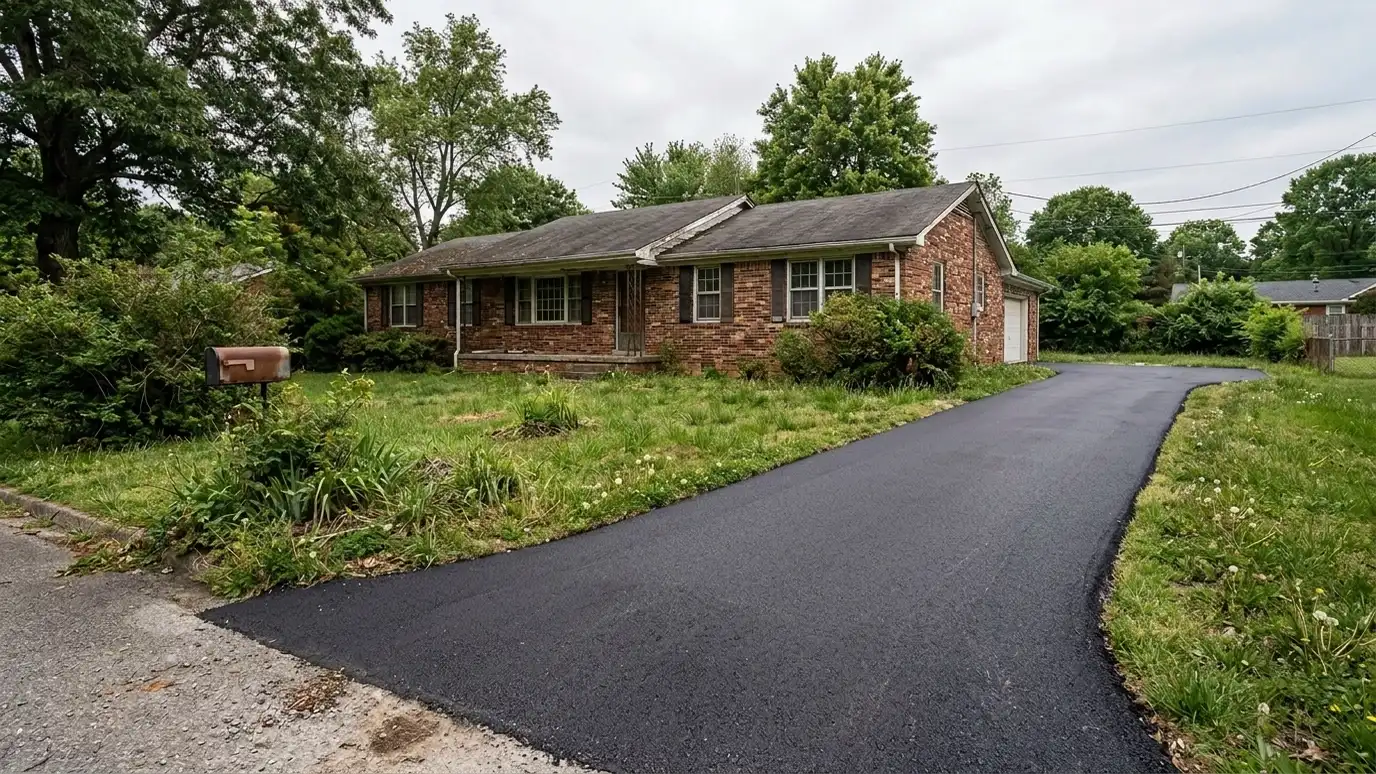
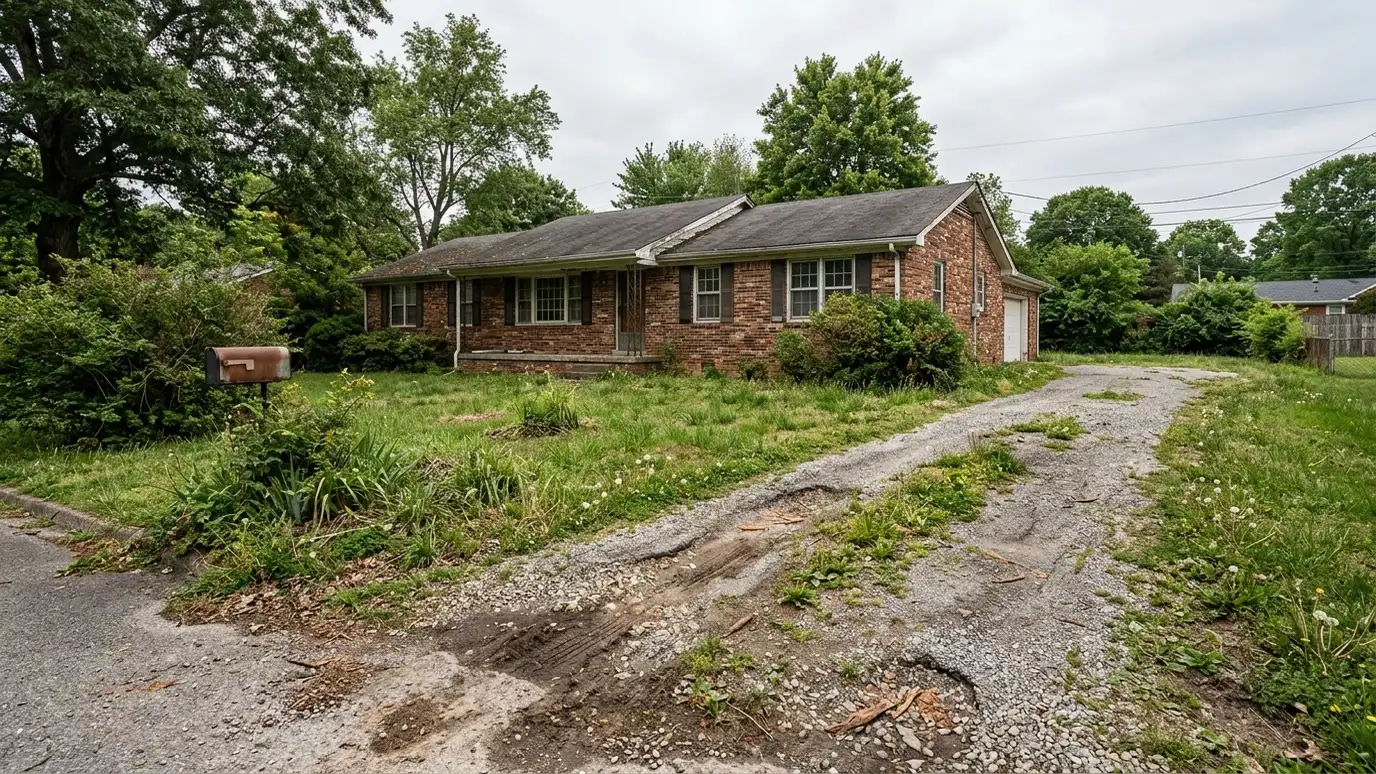 BeforeAfter
Dense, stable base.
Soft spots found.
Driveway or lot.
Poor soils handled.
Water leaves the base.
No wet-base failures.
Every topic has its own page with what to expect and how we approach it.
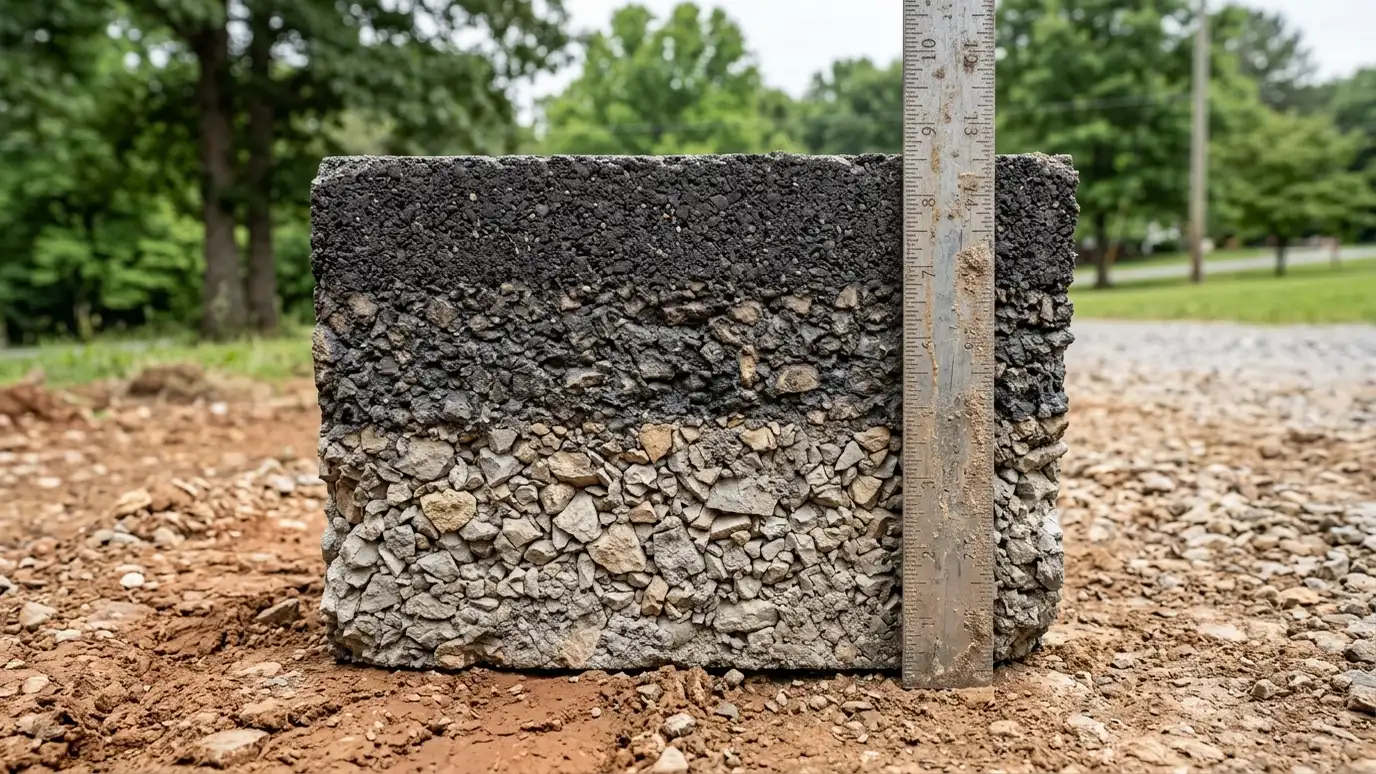 Topic guideThickness and LayersHow many inches of asphalt and stone a driveway, lot or truck court really needs, and what each…Learn more
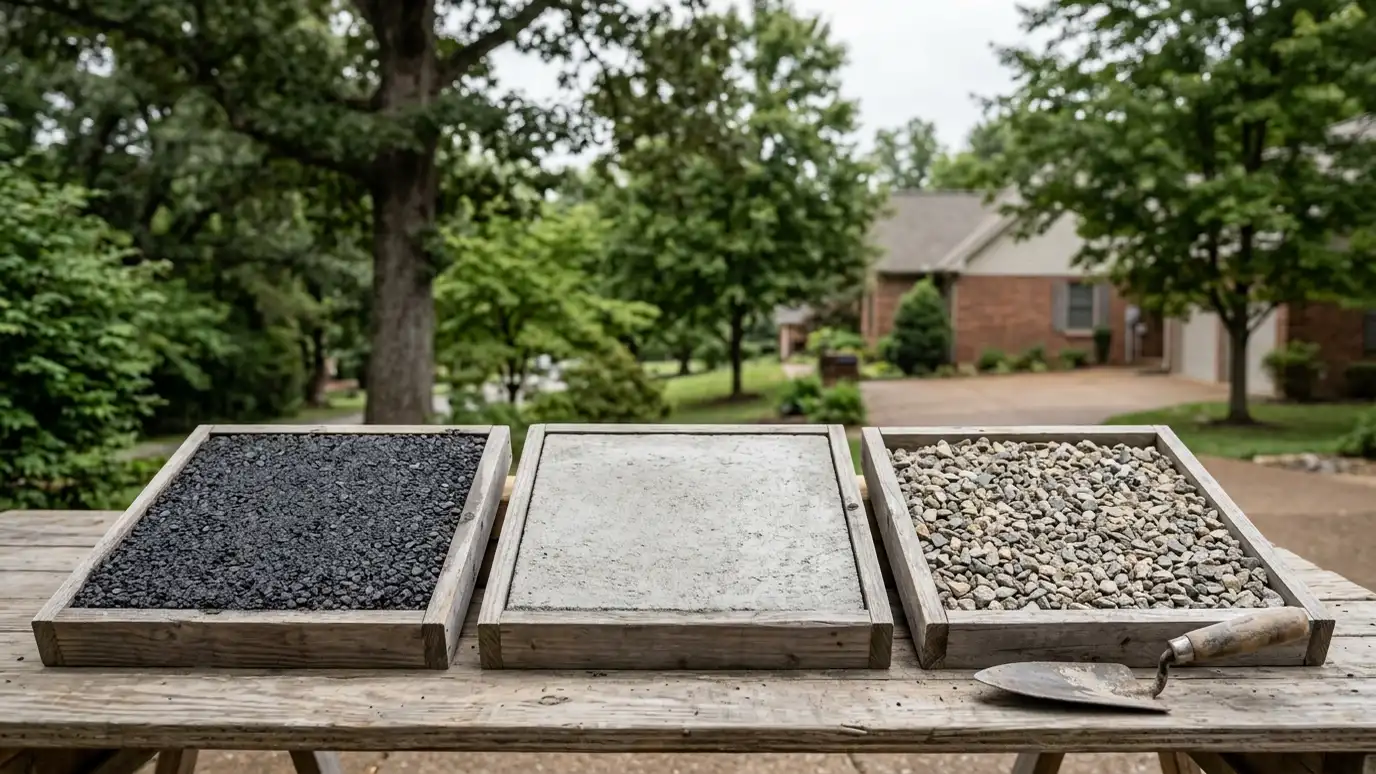 Topic guideAsphalt vs Concrete vs GravelHow the three common driveway and lot surfaces compare on cost, durability, care, look and repair, with honest…Learn more
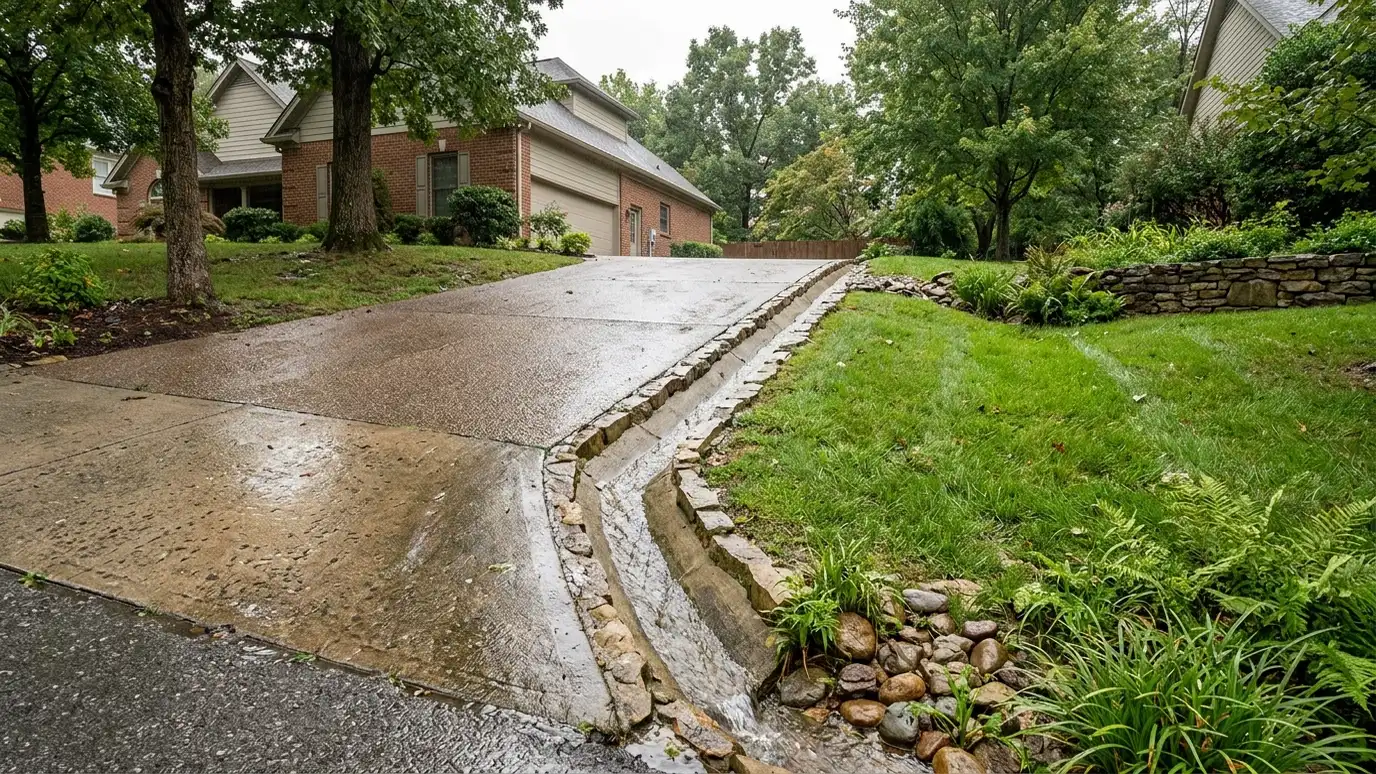 Topic guideDrainage and SlopeHow much slope a driveway needs, where water should go and how to solve puddles, runoff and washouts.Learn more
Pick a job, set the size and add extras to see a ballpark planning range for your asphalt project.
You tell us about your pavement and what you want to change, from a repair to a whole new lot, and we set a visit that fits your day.
We visit, measure, check slope, drainage and the existing base and talk through thickness, edges, borders and finishes.
We plan the layout and drainage and give you an itemized written estimate with options, so you can compare it with any other bid.
We remove old pavement, grade, correct drainage and build a compacted stone base.
Hot mix is placed and compacted, edges are finished and striping, borders or sealing are completed.
We walk the finished pavement with you, explain curing and care and leave the site clean.
It depends on the use. Driveways need less than lots and truck courts.
Sometimes, if the gravel is compacted, thick enough and dry. We check first.
Asphalt cracks and sinks when the base underneath moves.
We can use approved recycled base where the project allows it.
Usually a day for a driveway, longer for larger areas.
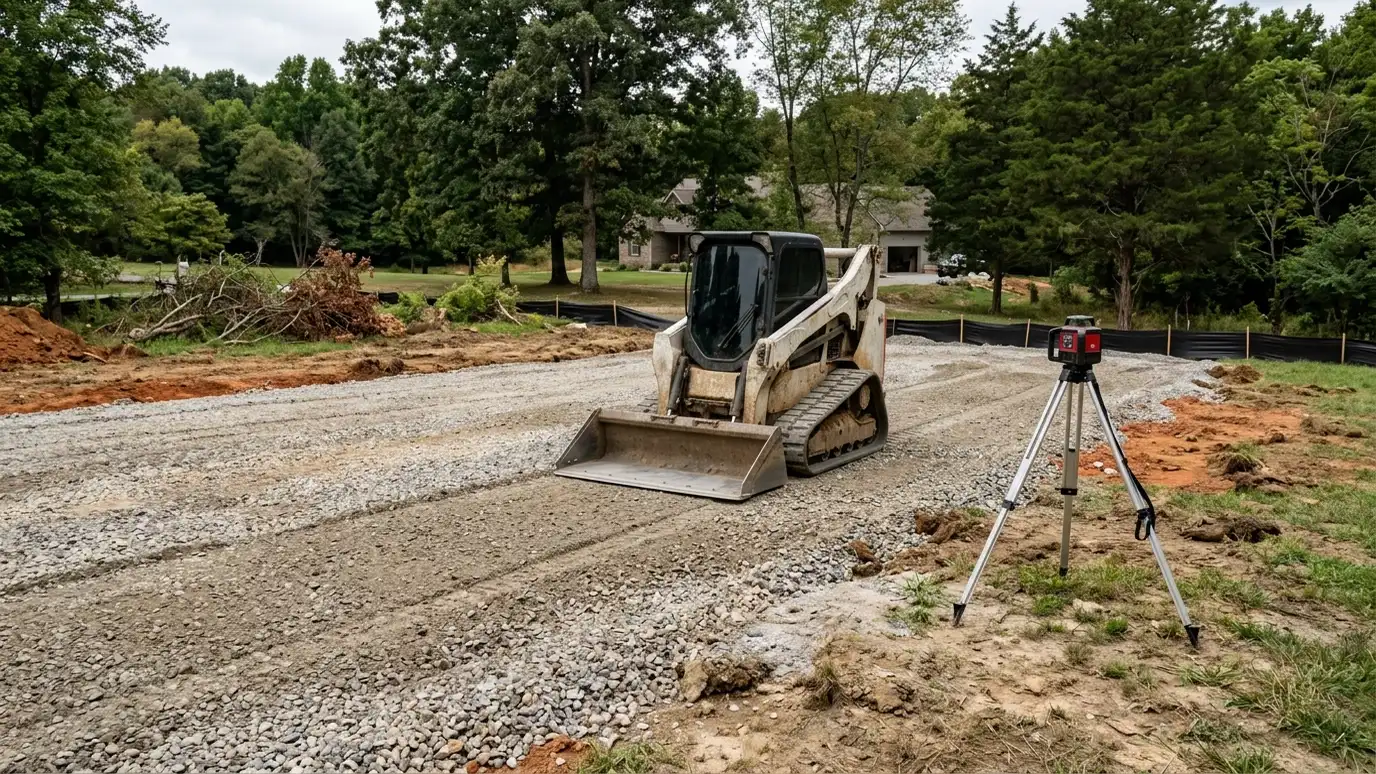 Site Grading and ExcavationShaping the ground so pavement drains, sits level and has a firm foundation, from a single driveway to…Explore
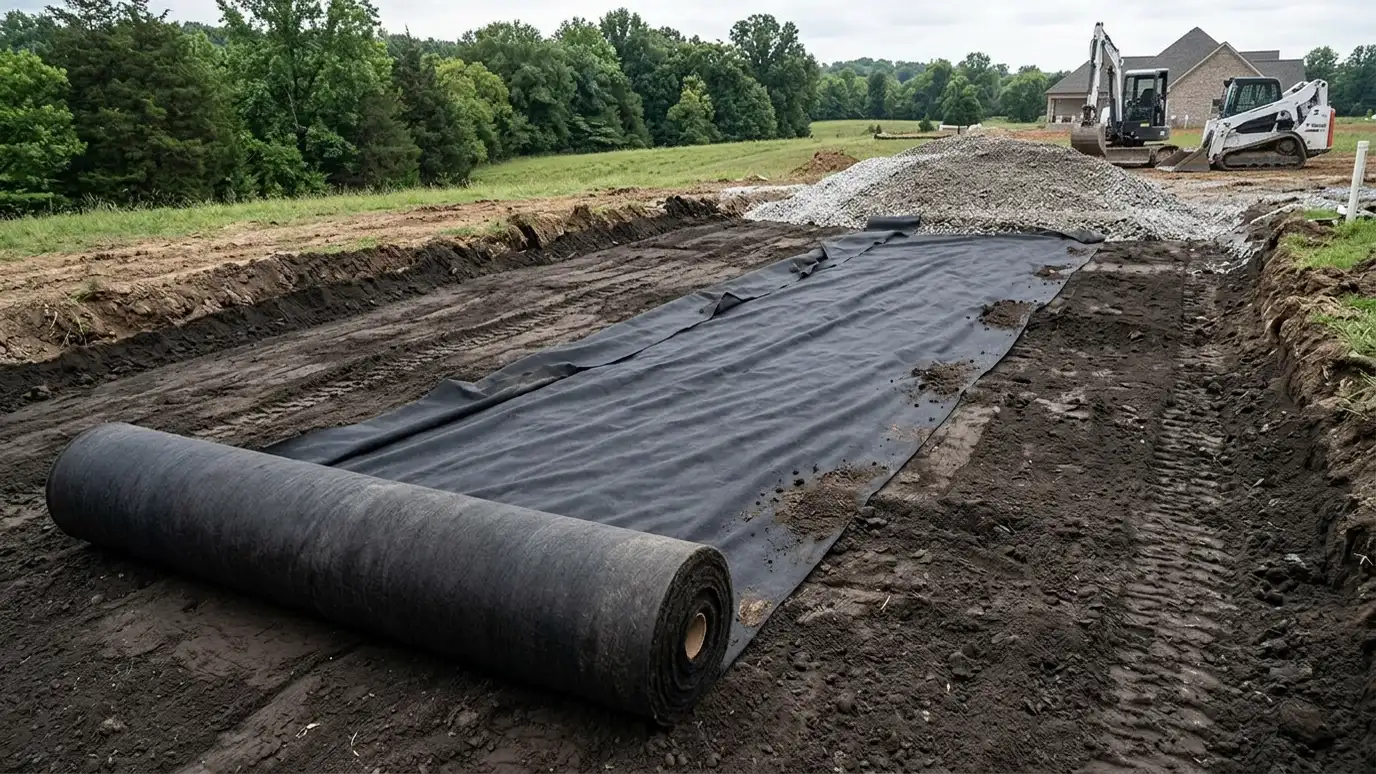 Geotextile Fabric and Soil StabilizationFabric, lime or cement treatment and deeper stone to firm up soft, wet or clay ground before paving…Explore
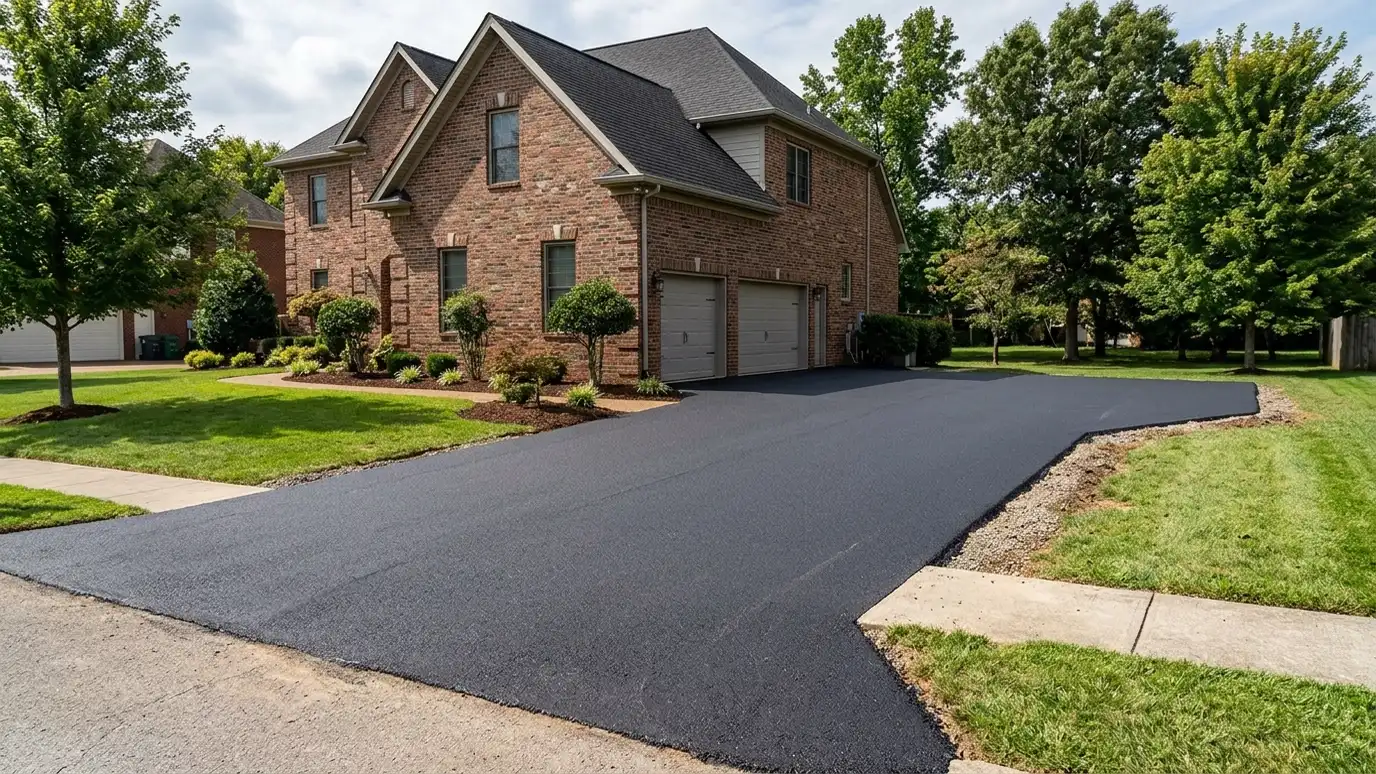 Driveway InstallationNew asphalt driveways built right from the ground up: graded, drained, stone-based and paved in smooth, dense hot…Explore
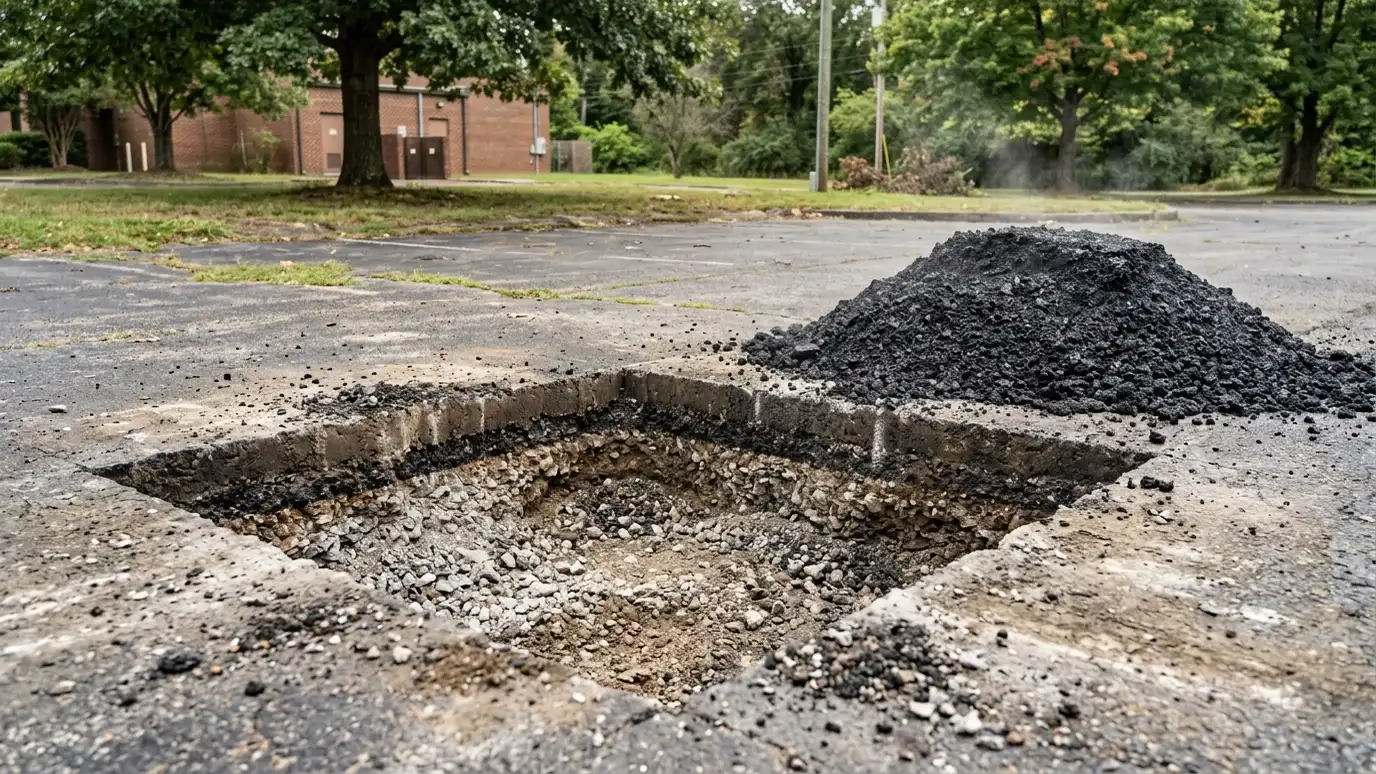 Full-Depth RepairRemoving failed asphalt and base completely and rebuilding the whole section, for areas where the foundation has given…Explore
Tell us about your project and we will call you back to set up a visit.
Or call (615) 357-7797 to talk now.