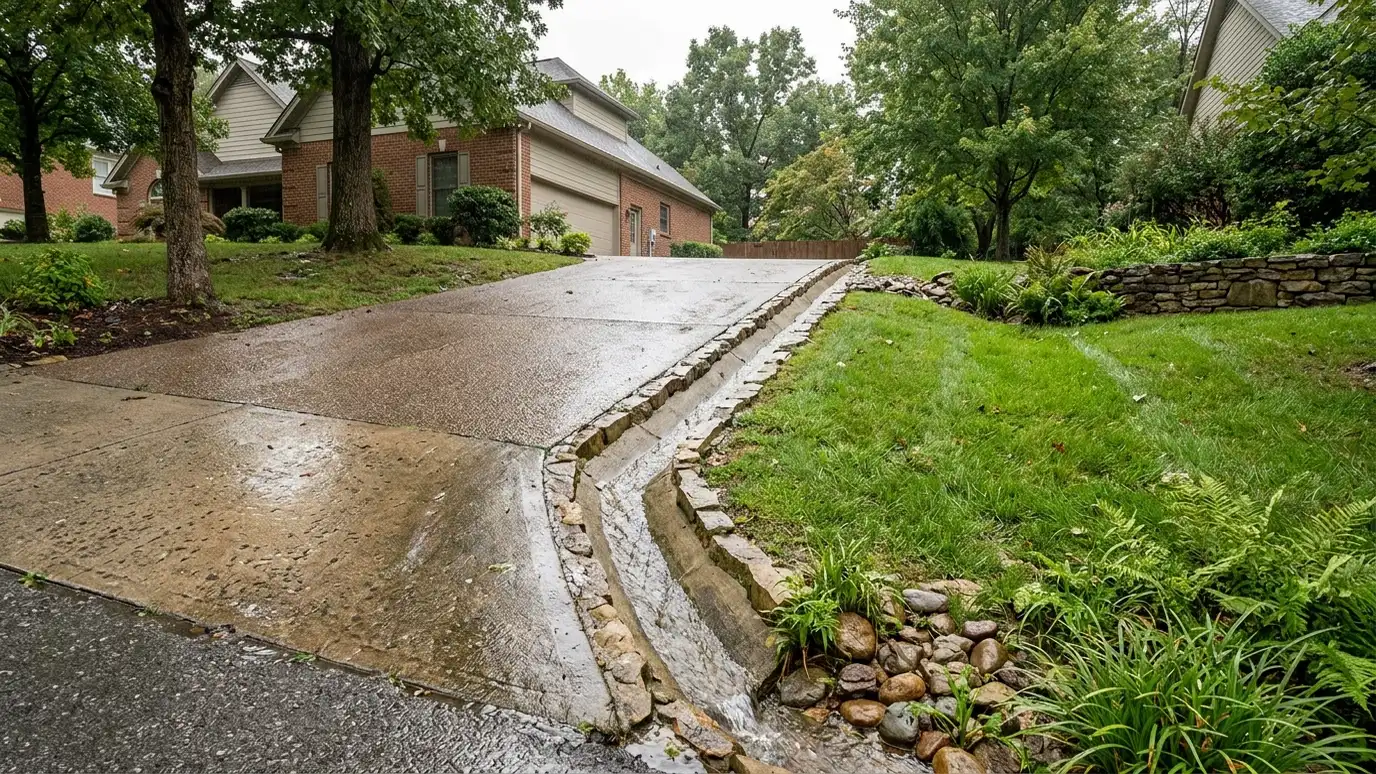
How much slope a driveway needs, where water should go and how to solve puddles, runoff and washouts.
A driveway that holds water will not last. Water softens the base, freezes in winter and breaks the surface. A good driveway slopes just enough to shed rain, usually about one-quarter inch per foot across the width, and not more than the grade limits allow along its length. A crown in the middle or a slope to one side sends water away. In rolling Middle Tennessee, a driveway often has to handle hillside runoff too, which makes drainage the center of good design.
Where water goes is as important as how fast. It should flow to a lawn, swale, inlet or creek bank, not toward the house, a garage or a neighbor. Where slopes are tight or water crosses the drive, trench drains, culverts and swales help. We examine your site, explain the options and plan the grade before paving. For existing drives with puddles, we show fixes from small fills to regrading. Watching the pavement during a heavy rain is the best free inspection you can do.
About a quarter inch per foot.
Sheds water.
Away from house and neighbors.
Where water crosses.
Carry runoff gently.
Fill, regrade, drain.
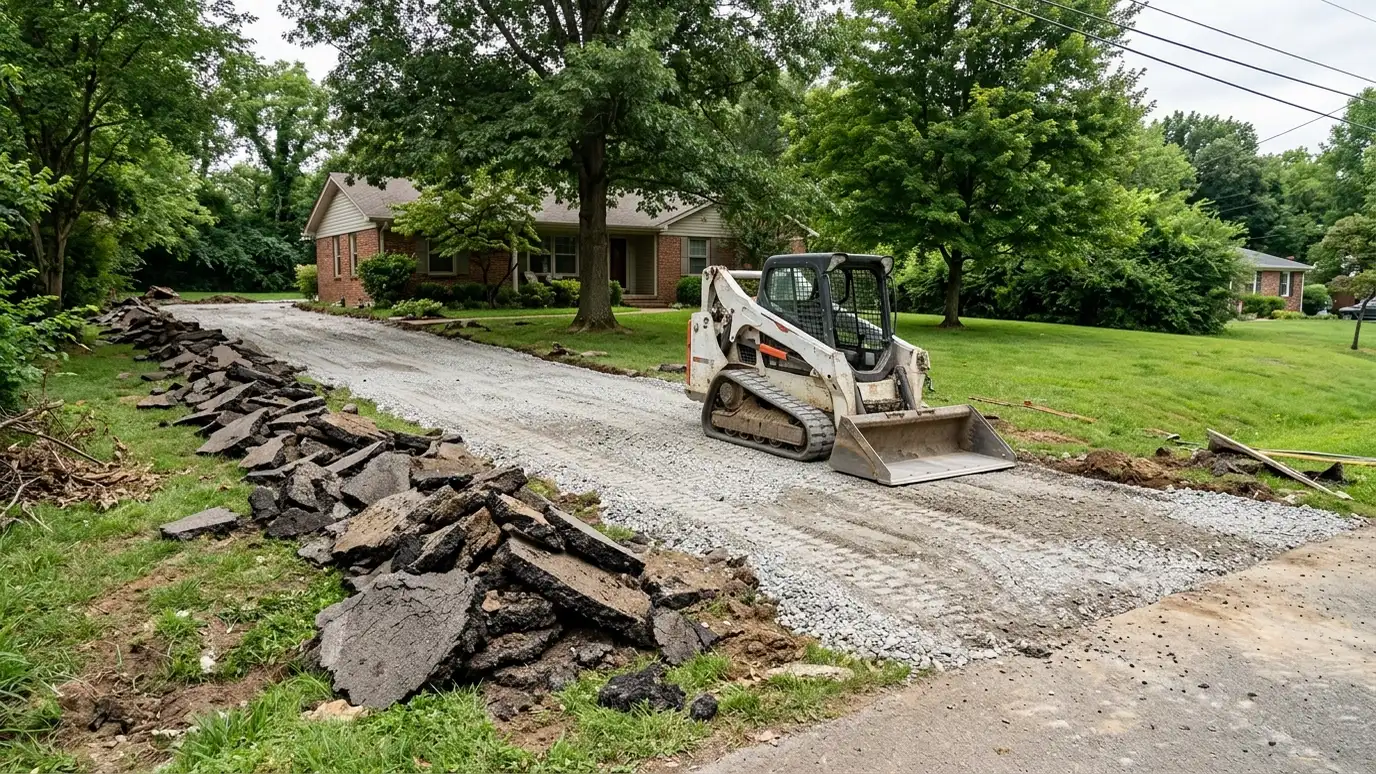 Driveway ReplacementRemoving a failing driveway down to a sound base or to the soil, correcting what went wrong and…Explore
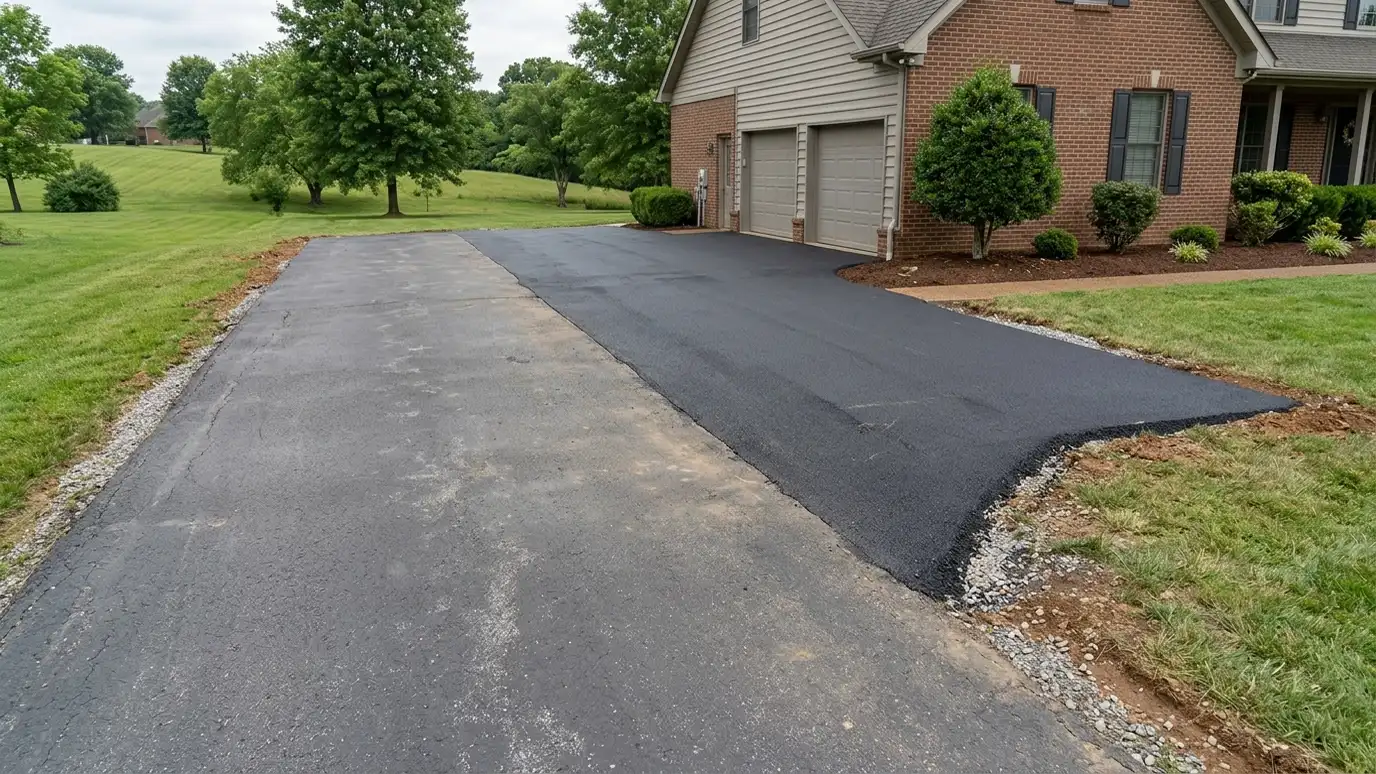 Extensions and WideningAdding width, a turnaround or extra parking to an existing driveway and joining the new asphalt cleanly to…Explore
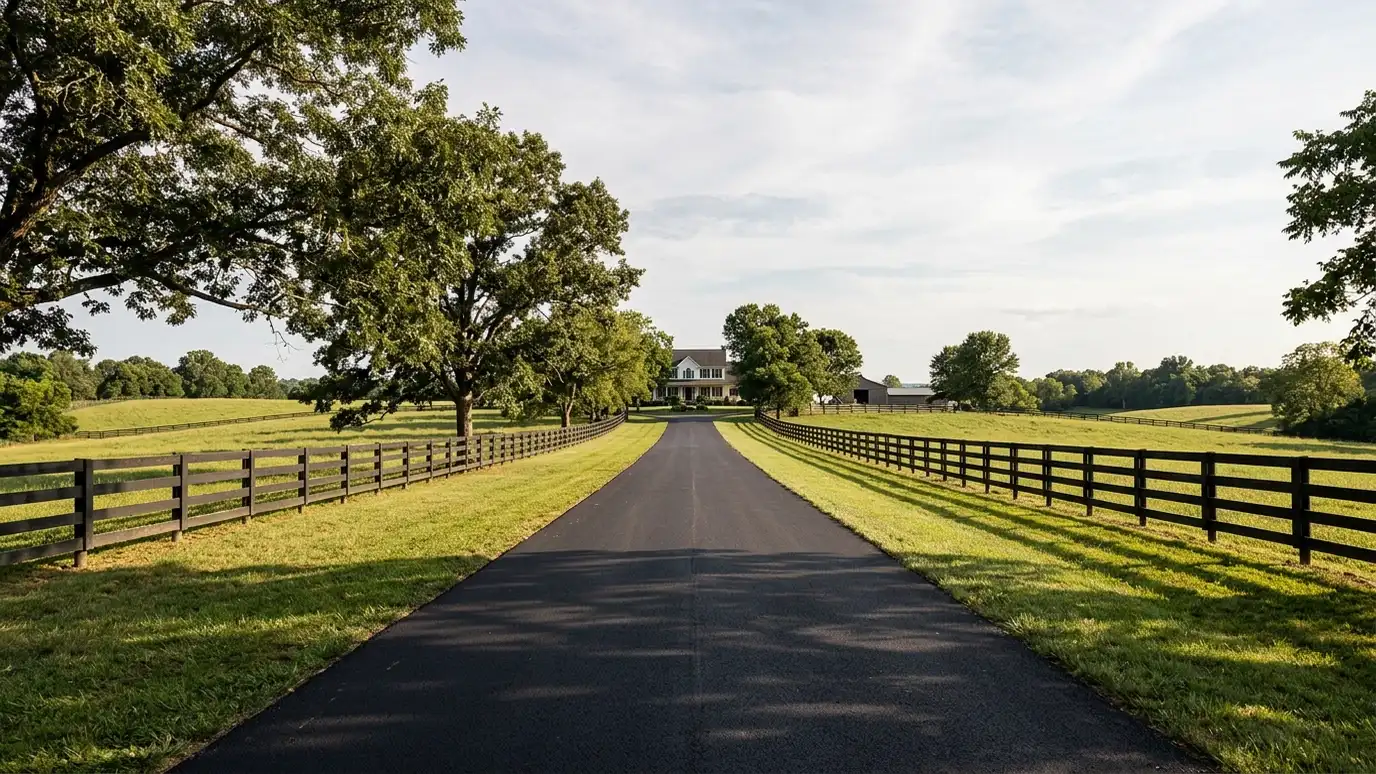 Long and Rural DrivewaysLong driveways and farm entrances built for distance, weight and weather, with culverts, ditches and a base that…Explore
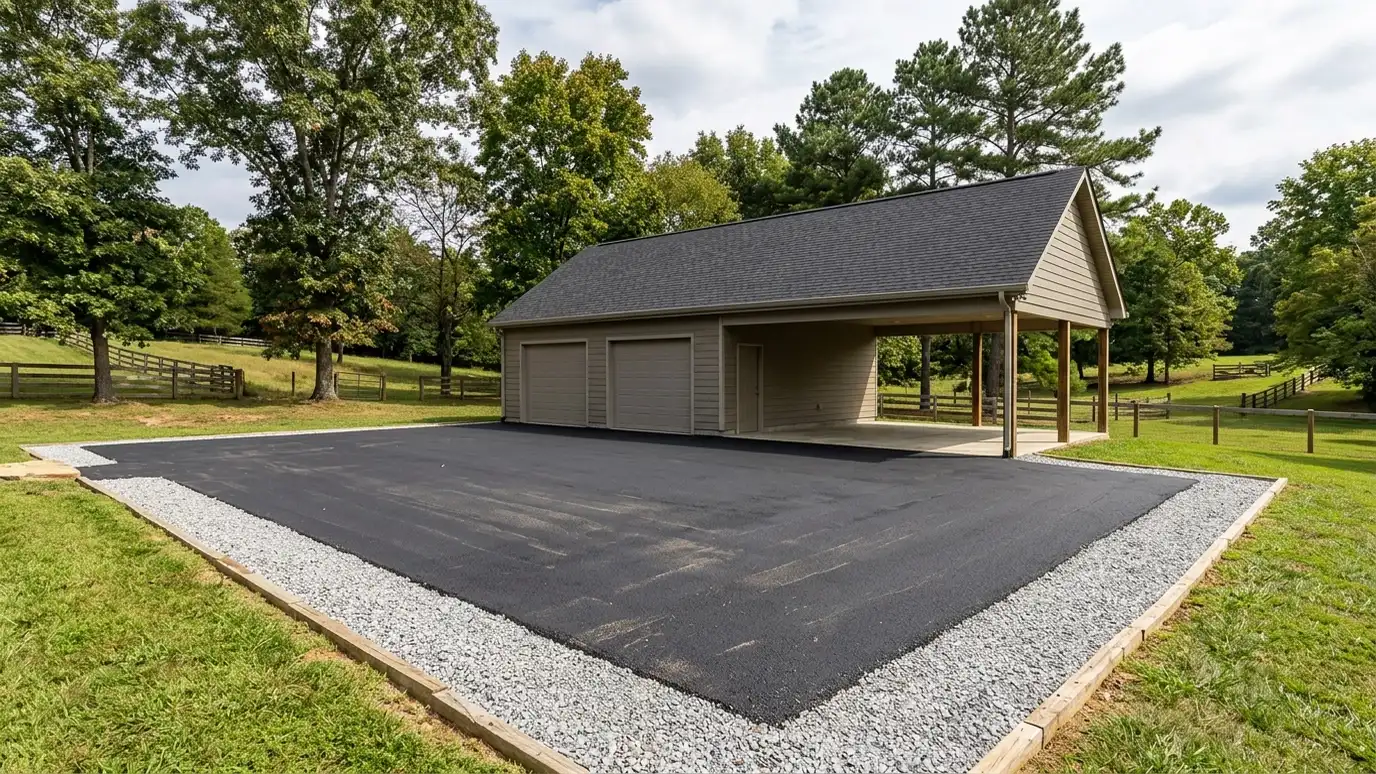 Garage and Carport PadsFlat, well-drained asphalt pads for garages, workshops, carports and storage buildings, built to carry the load and shed…Explore
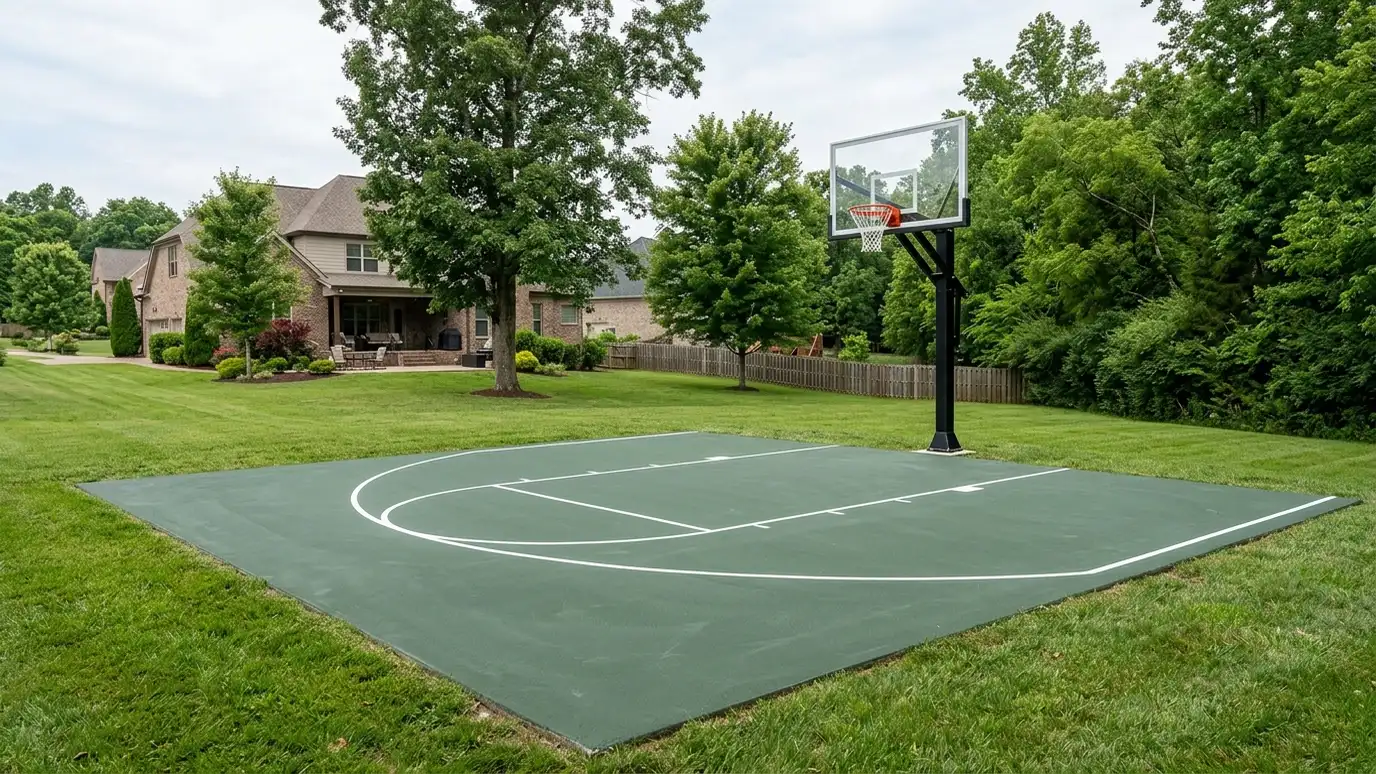 Basketball and Sport CourtsSmooth, level asphalt courts for basketball, pickleball and play, built with drainage and a finish ready for color…Explore
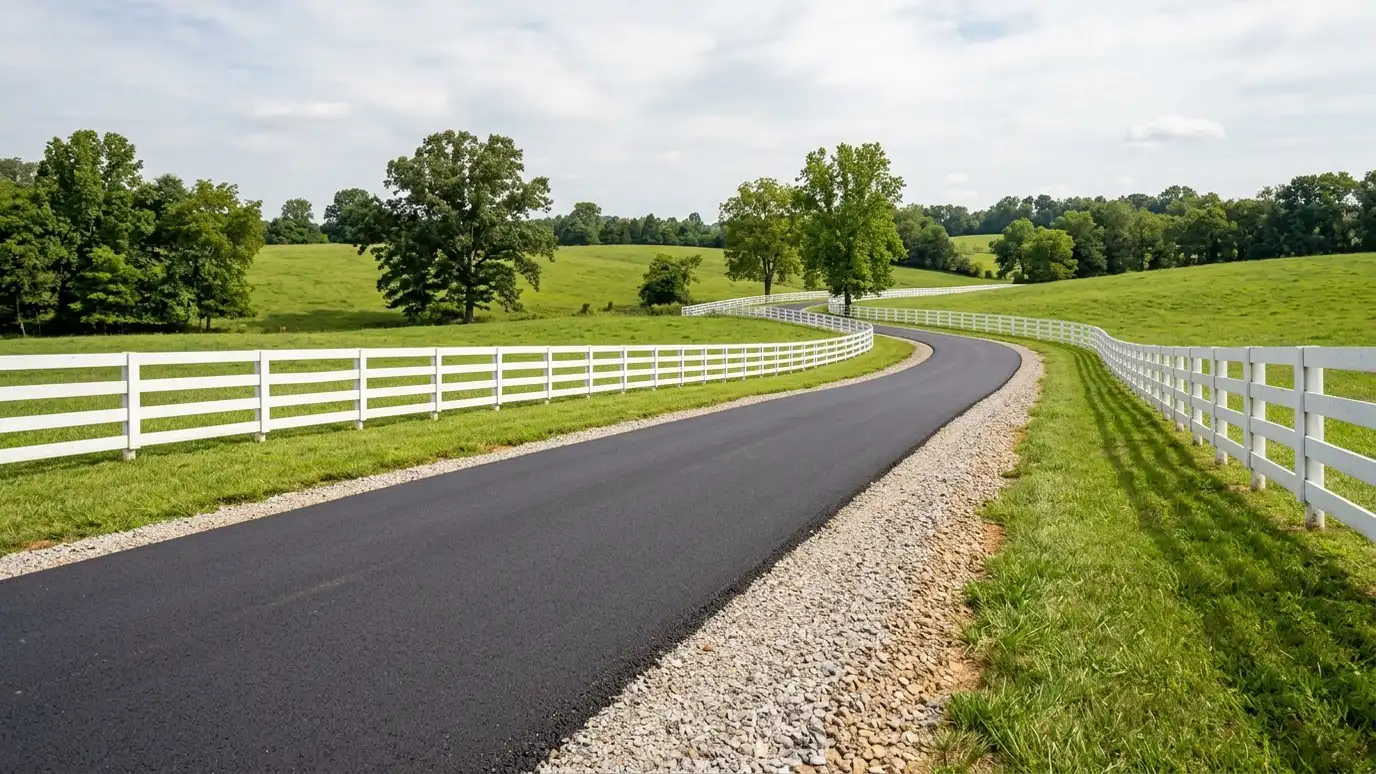 Private Roads and Farm LanesPaved private roads, shared lanes and farm entrances built for traffic and weather, with drainage, shoulders and a…Explore
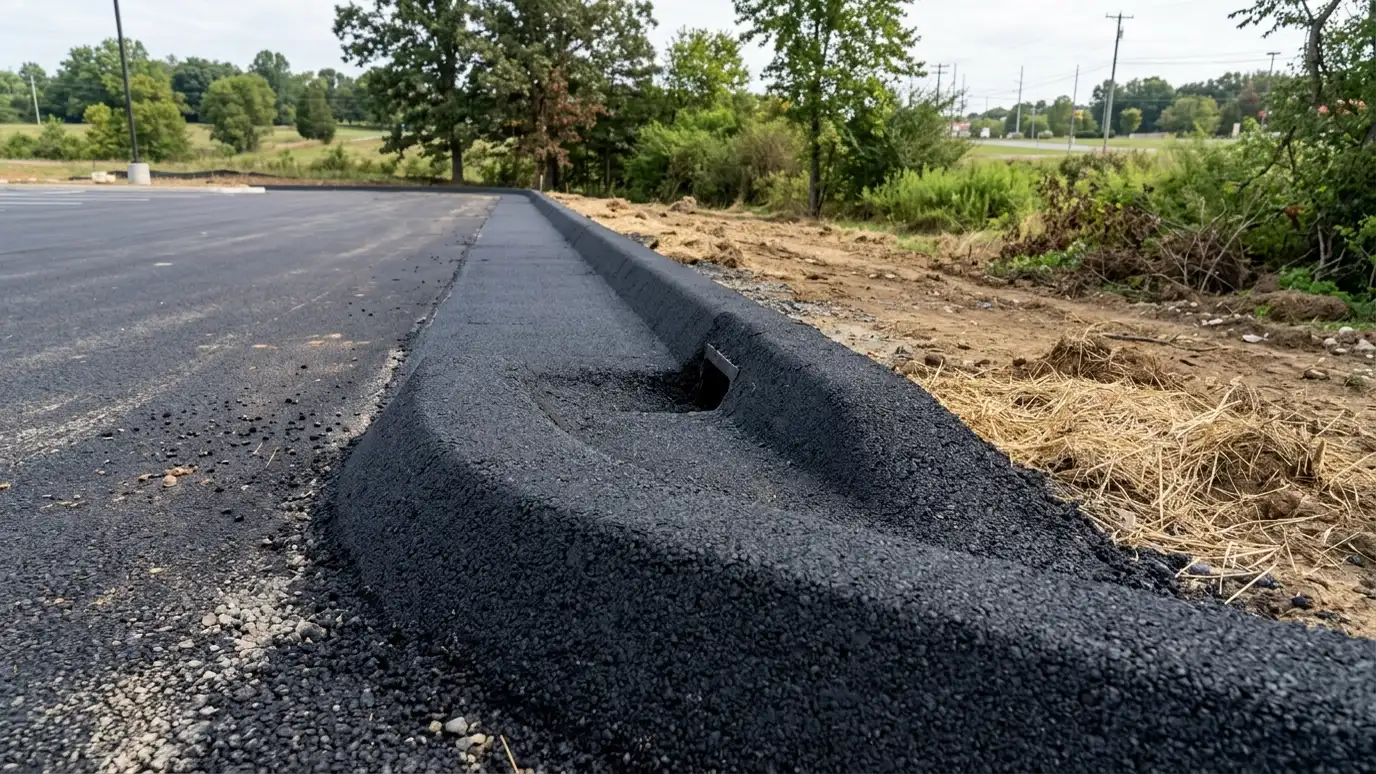 Asphalt Curbs and GuttersMachine-formed asphalt curbing that guides water, protects landscaping and gives lots and drives a clean, finished edge.Explore
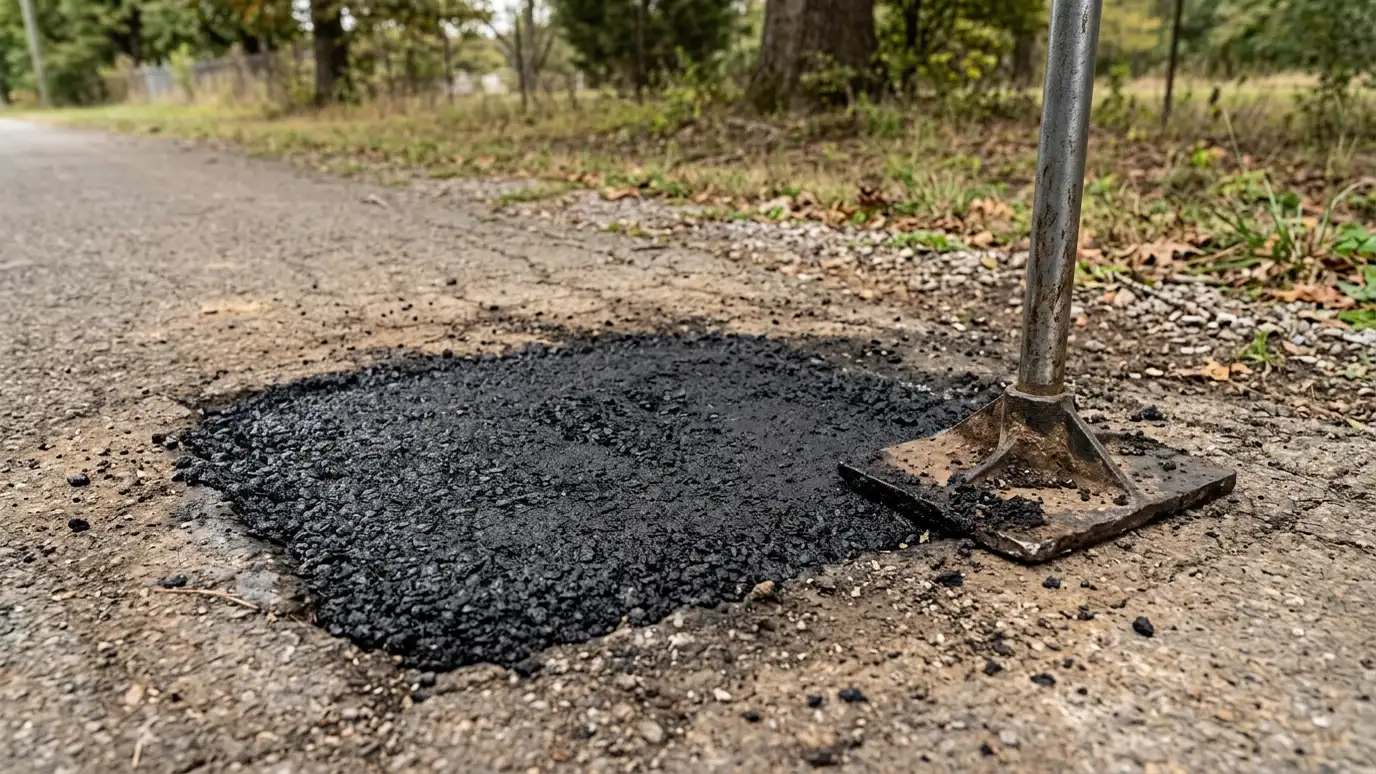 Pothole RepairPermanent pothole repair that cuts out the failed area, rebuilds what is underneath and fills it with compacted…Explore
Take the quiz, check your pavement or ballpark a budget.
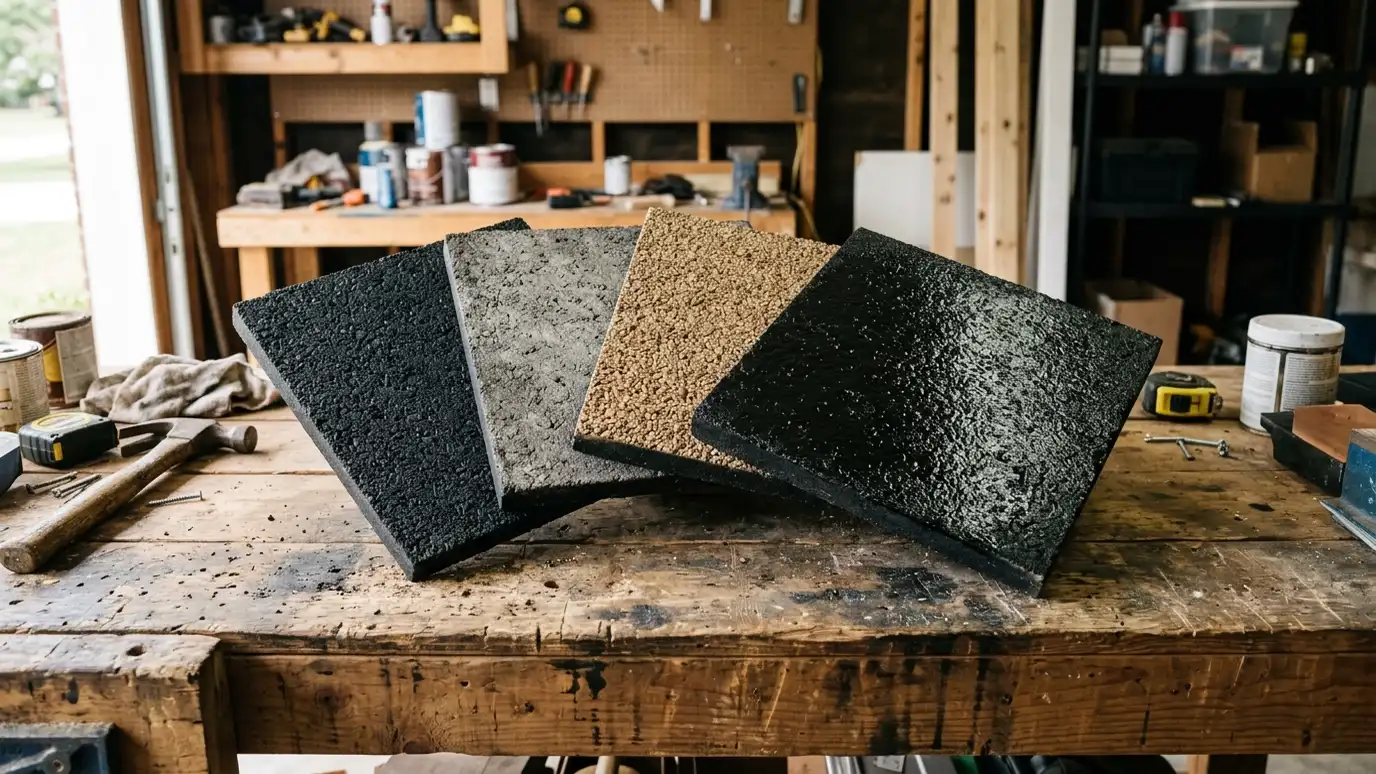 Which Asphalt Service Do I Need? QuizAnswer five questions about your pavement, your goals and your budget to see which services to start with.Try it
 Asphalt Condition Checker: Repair or Replace?Tick what you see on your pavement and get a priority list and a plain recommendation: maintain, repair, resurface or replace.Try it
 Asphalt Paving Budget PlannerPick a job, set the size and add extras to see a ballpark planning range for your asphalt project.Try it
Usually about one-quarter inch per foot across the width to shed water.
A low spot, settled base or poor slope can all trap water.
Often yes. A trench drain across the driveway can intercept water.
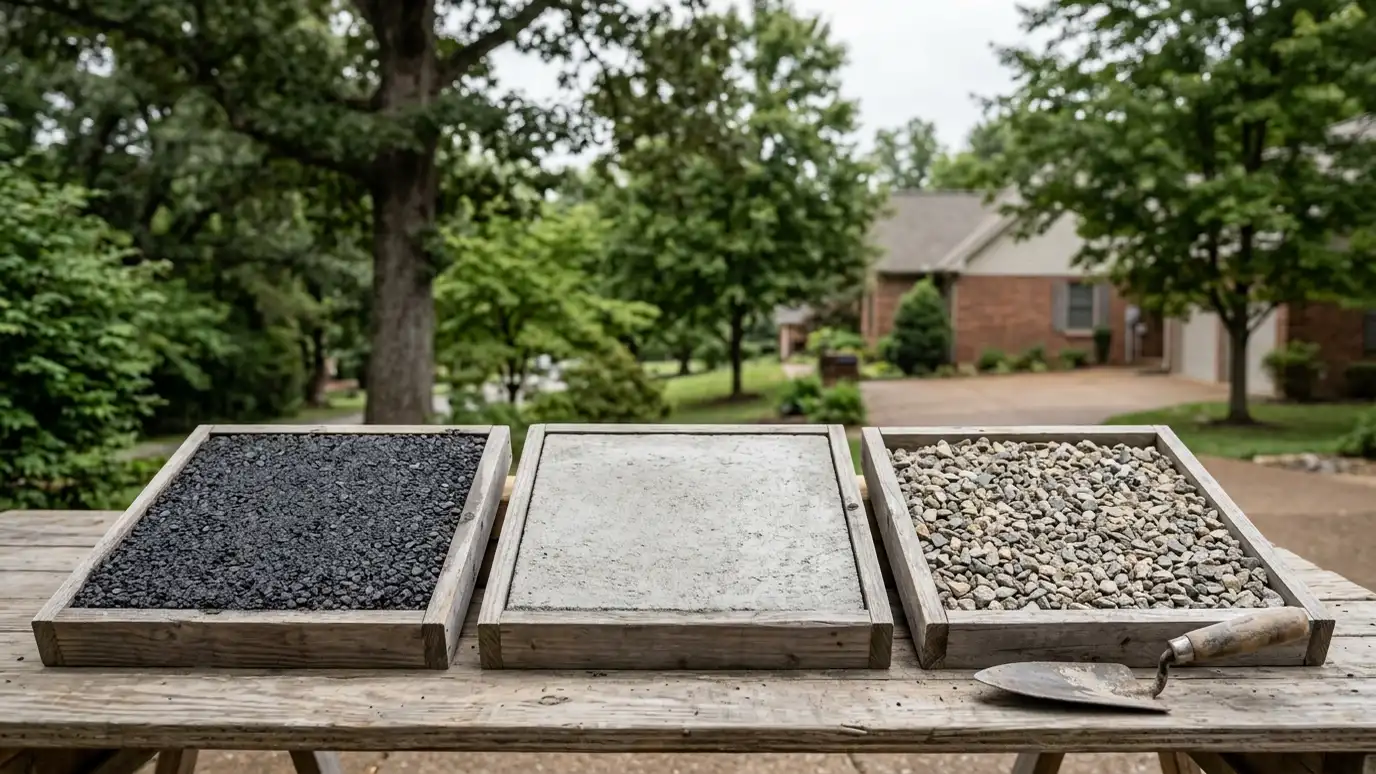 Topic guideAsphalt vs Concrete vs GravelHow the three common driveway and lot surfaces compare on cost, durability, care, look and repair, with honest…Learn more
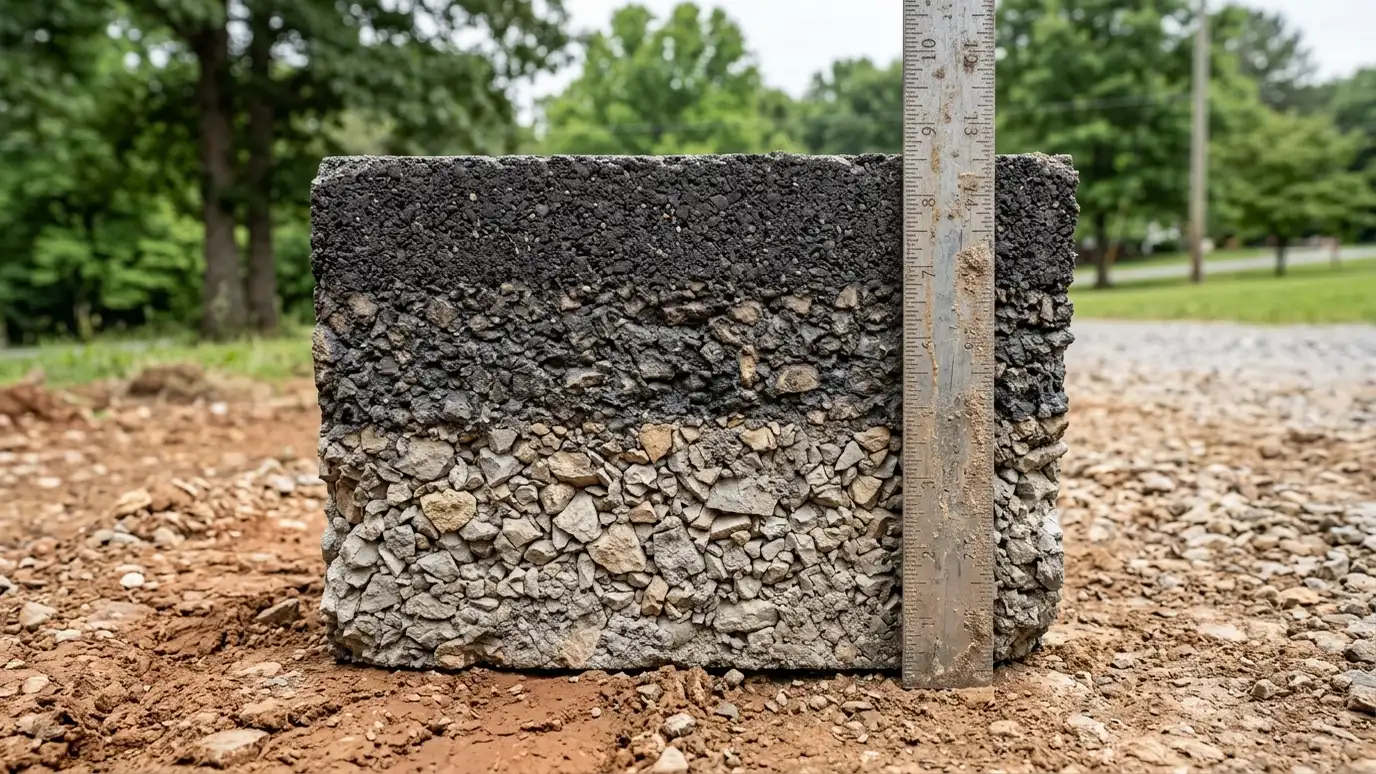 Topic guideThickness and LayersHow many inches of asphalt and stone a driveway, lot or truck court really needs, and what each…Learn more
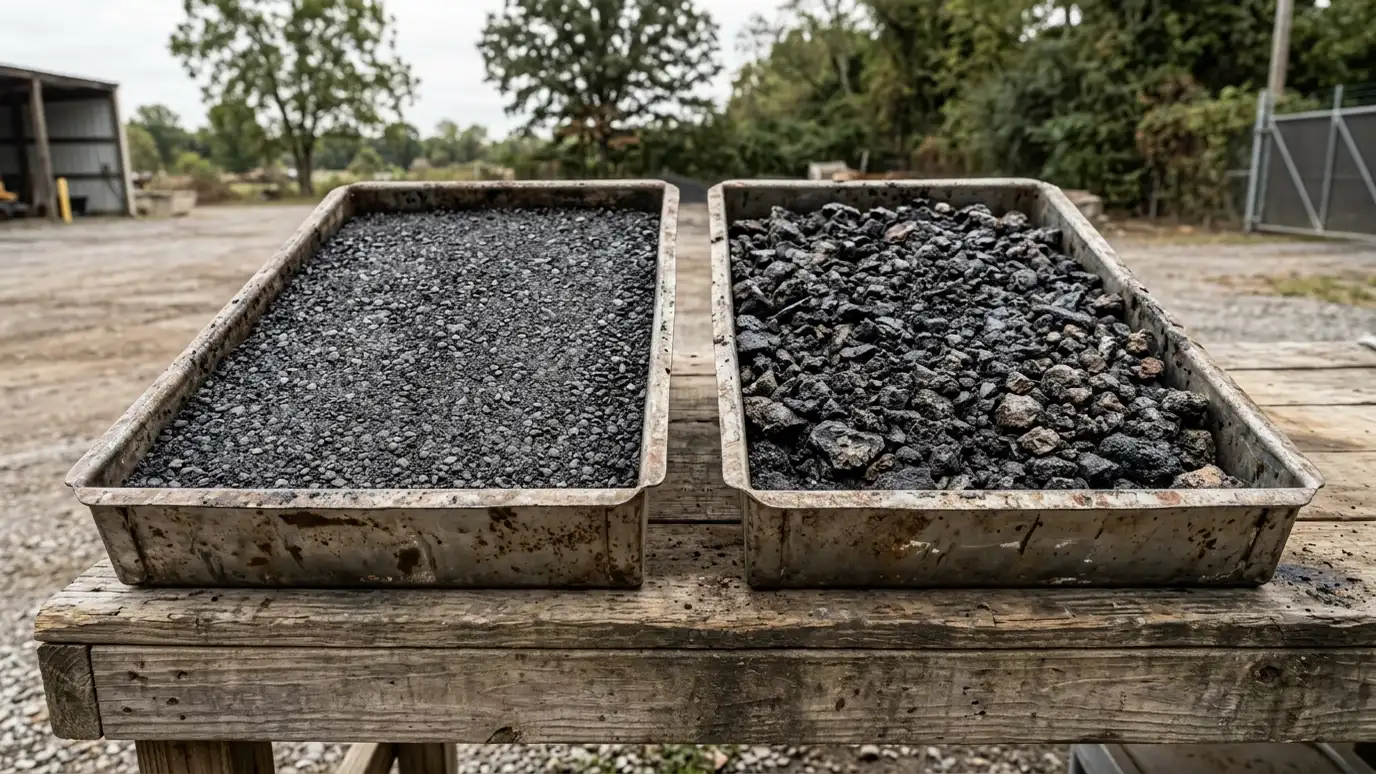 Topic guideHot Mix Asphalt TypesBase course, binder and surface mixes explained, plus recycled content, stone sizes and what each does in a…Learn more
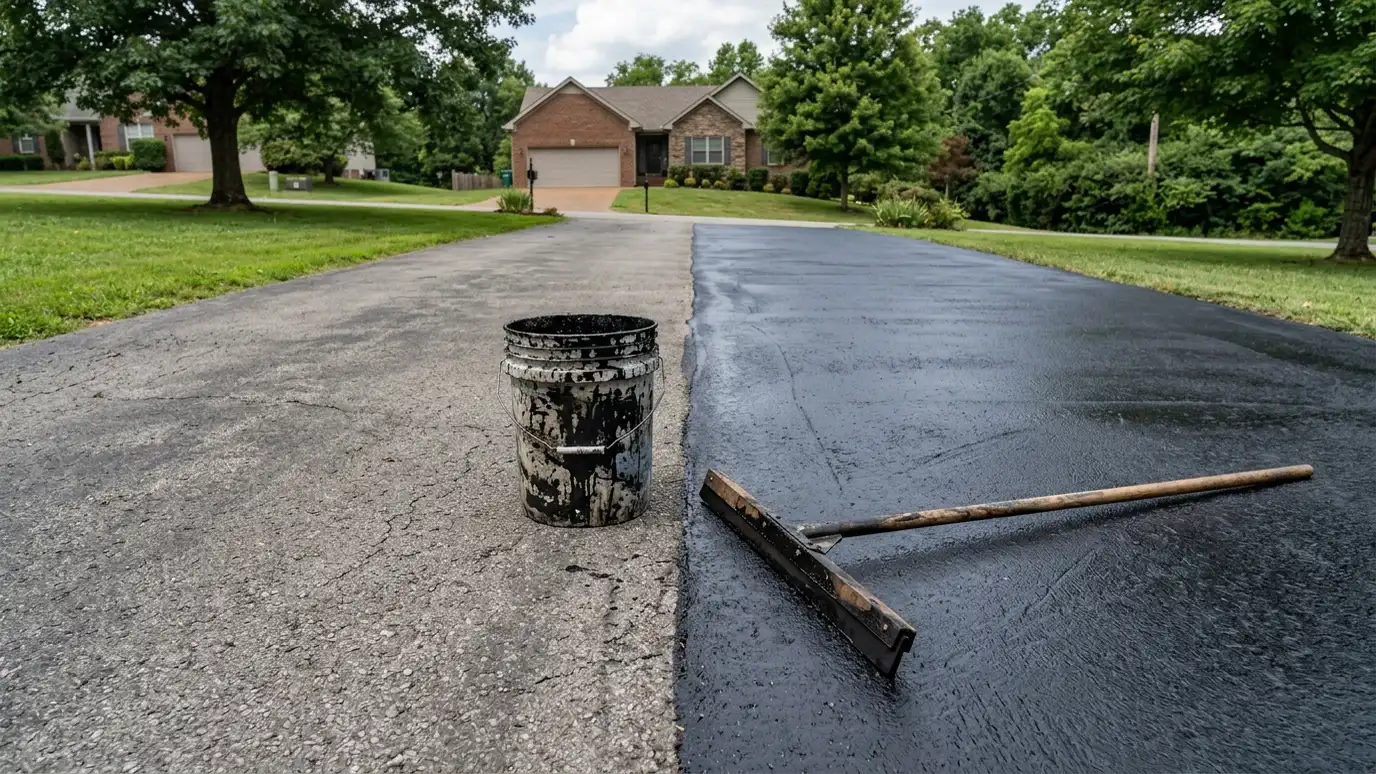 Topic guideSealcoating GuideWhat sealcoat does, when to apply the first coat, how often to repeat and when to skip it…Learn more
Call us and we will visit your property, measure, check the base and drainage and give you an itemized written estimate.